

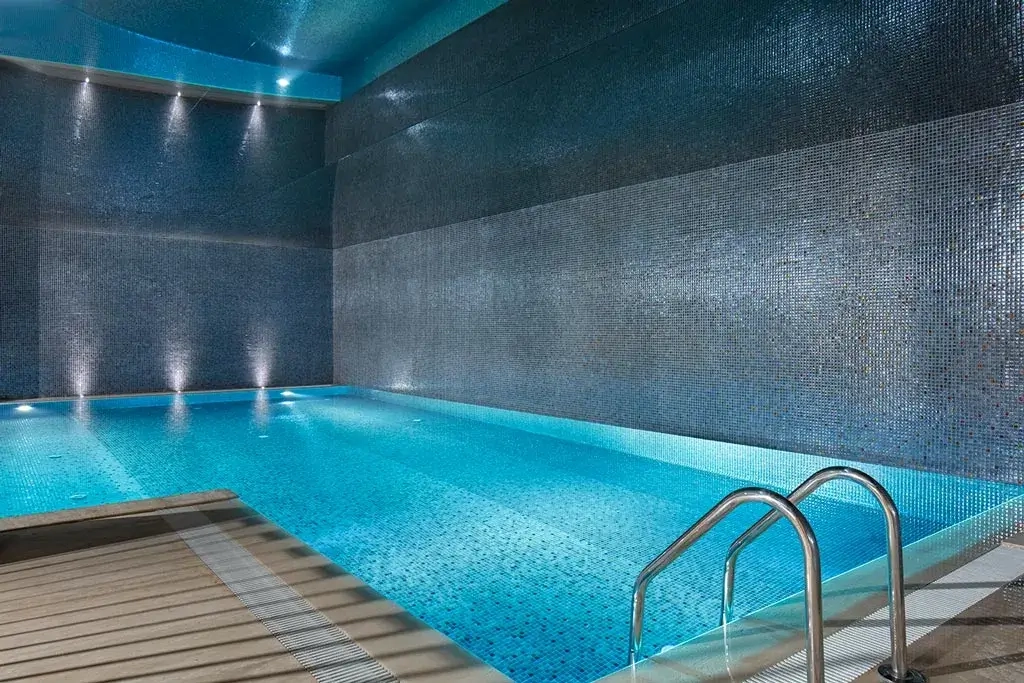
Swimming is not just a sport; it’s also a survival skill, a rehabilitation method, and a mental therapy tool. Many people may hesitate, wondering, “Can I learn at this age?” or “Is my child ready for swimming lessons?” However, the buoyancy of water offers an incredible equality that eliminates physical limitations. So, who can participate in swimming lessons? The short answer: Anyone from 7 to 70 who has no health issues and wants to connect with water!
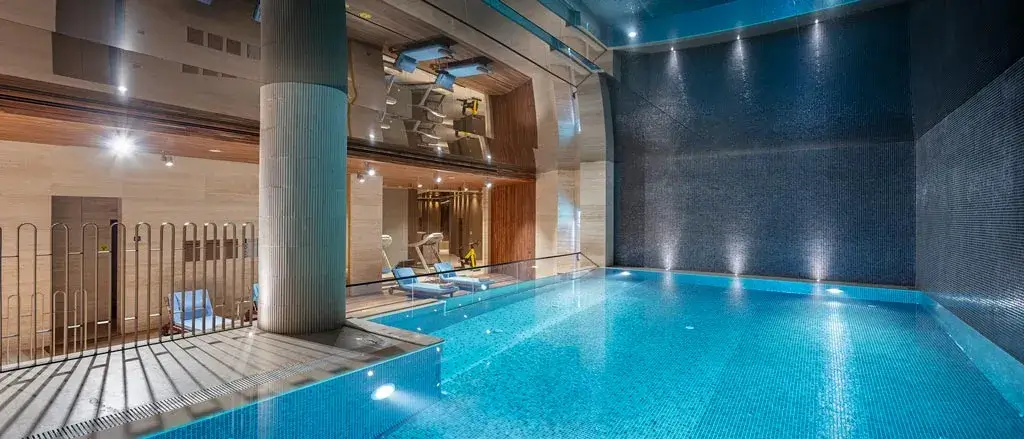
In this article, we will detail the scope of swimming lessons according to age groups and goals, the intricacies of techniques, and the added value that water can bring to your life.
Swimming for All Ages: From Children to Adults
Swimming lessons are customized according to the individual’s age and water experience. In this regard, training programs are basically divided into two main groups:
1. Future Champions: Children
One of the most frequently asked questions by parents is when their children should start swimming. Experts emphasize the importance of early training, coinciding with the development of motor skills and the establishment of the ability to follow instructions. Children’s swimming lessons help children overcome their fear of water while supporting muscle and bone development. These lessons, which blend play and discipline, build children’s self-confidence.
2. It’s Never Too Late: Adults
Learning to swim as an adult can sometimes seem more challenging than learning to swim as a child; however, this is entirely a psychological barrier. You can always join Adult Swimming classes to relieve work stress, alleviate back and neck pain, or simply fulfill a childhood dream. Thanks to flexible schedules, adults learn to stay afloat and move with the correct technique in a short time under the guidance of professional instructors.
Swimming Techniques and Style Development

Swimming shouldn’t be seen as simply staying afloat. When combined with technical details, swimming becomes a miracle that works all muscle groups in the body. Individuals who complete basic training can pursue different styles according to their interests.
- Freestyle: Focuses on speed and endurance. Freestyle swimming courses are ideal for those who want to maximize their breath coordination.
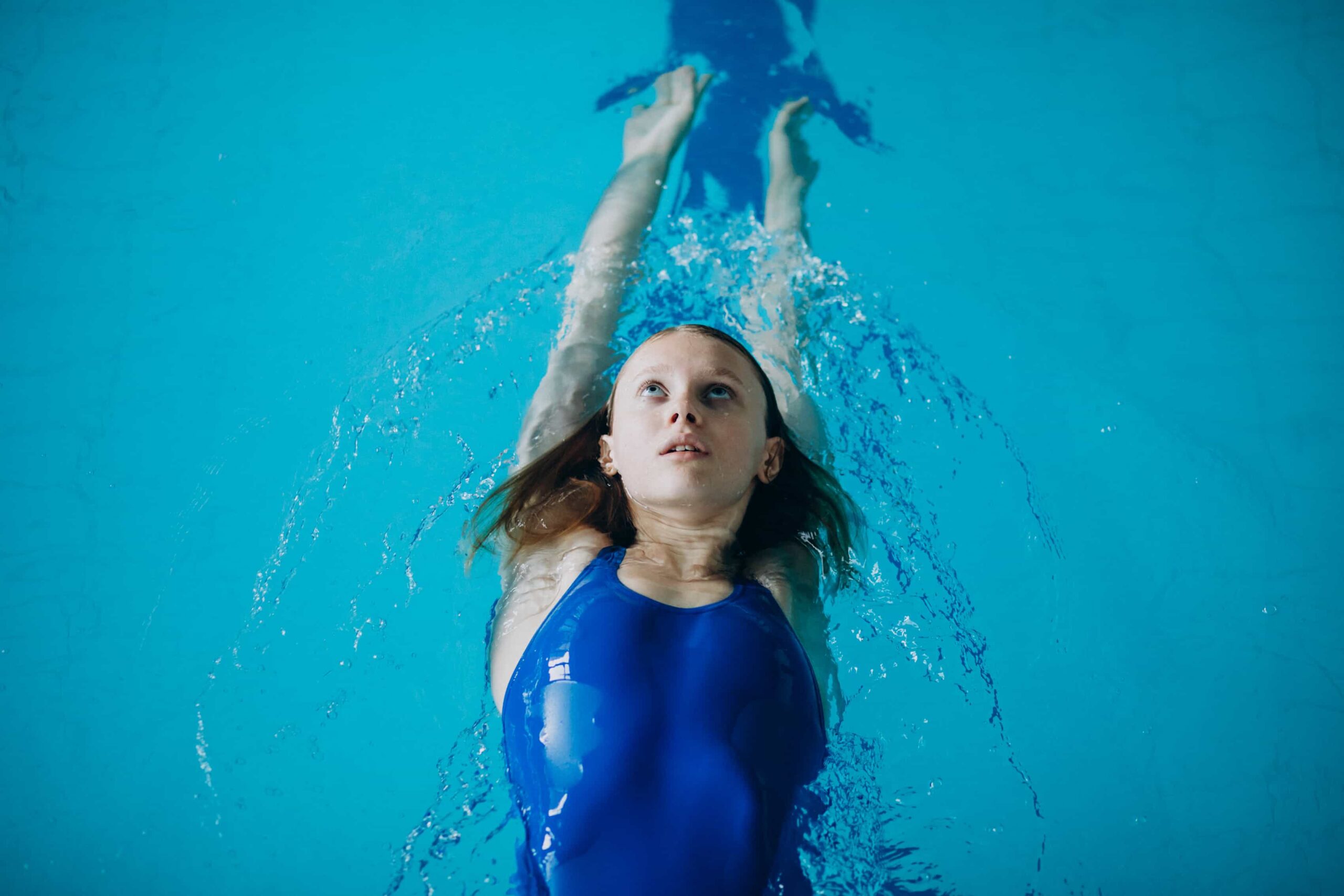
- Backstroke: For those hesitant to face the water or those who prioritize spinal health, backstroke swimming is an excellent starting point.
- Breaststroke: Those seeking a calmer, more rhythmic style can enjoy gliding through the water with breaststroke swimming techniques.
- Butterfly: One of the most challenging and aesthetically pleasing swimming styles. Requiring strength and high coordination , butterfly swimming is where advanced swimmers prove themselves.
- Mixed Swimming: Mixed swimming workouts, which combine all these styles , provide full-body performance and high calorie burning.
Who should definitely take swimming lessons?
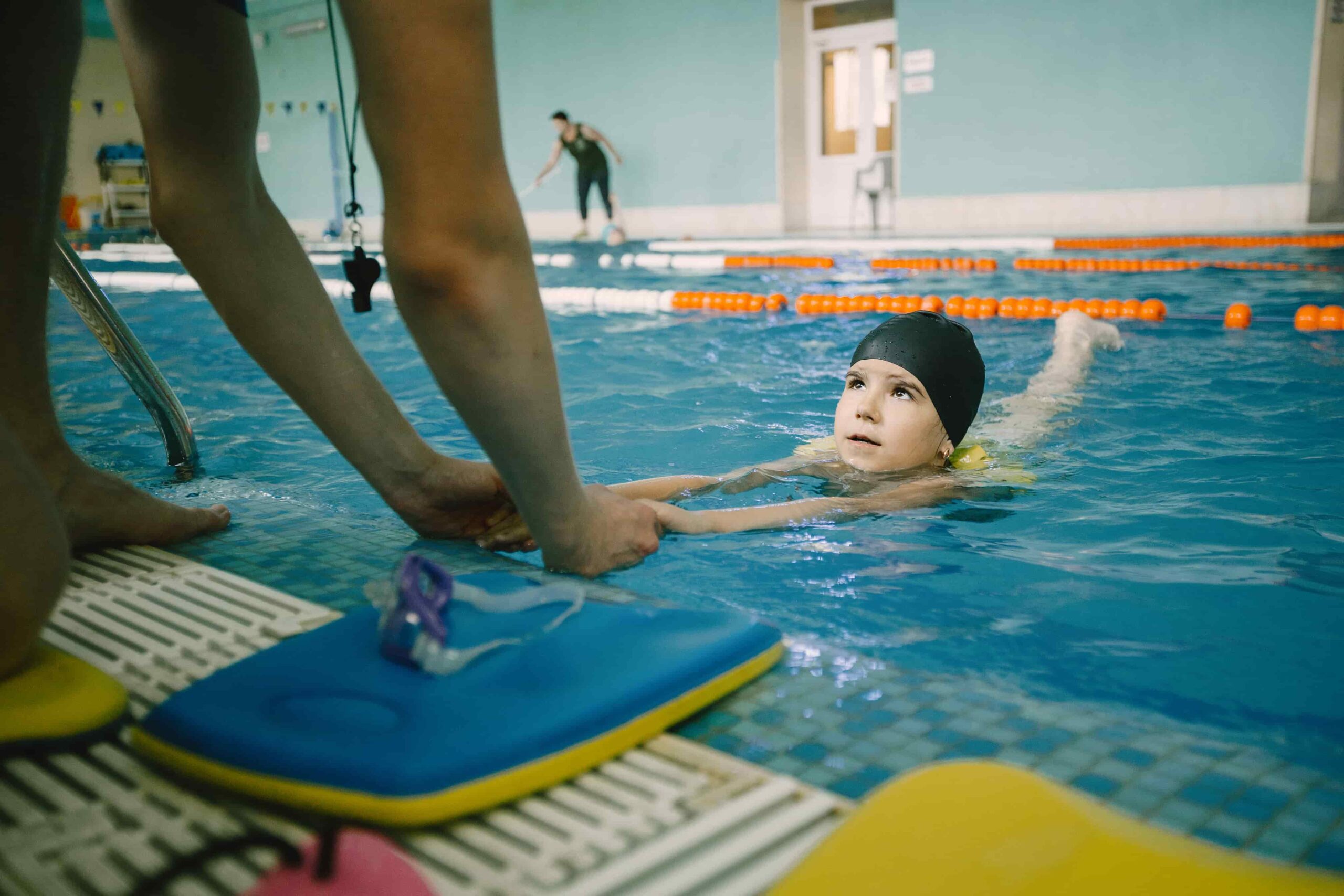
- For those with a fear of water (hydrophobia): The only way to overcome the fear is to be introduced to water in a controlled manner with a professional instructor.
- For those with postural problems: For office workers, swimming is the most effective rehabilitation method for reducing pressure on the spine.
- For those who want to control their weight: For those who want to burn a high number of calories without putting strain on their joints, water resistance is the best aid.
- Young People Who Want to Become Athletes: Licensed training is fundamental for children aiming for a professional career.
Frequently Asked Questions (FAQ)
- Is there an age limit to join the swimming course? No, individuals of all ages, starting from 4 years old, can participate in the courses.
- How long does it take to learn to swim? Depending on a person’s fear of water and coordination, basic swimming can be learned in an average of 8-12 lessons.
- I have a fear of water, can I learn to overcome it? Yes, with gradual exercises led by expert instructors, you can overcome your fear.
- What equipment is needed for a swimming course? A swimming cap, goggles, swimsuit, and towel are the basic necessities.
- Is it possible to take swimming lessons in winter? Yes, thanks to heated indoor pools, lessons can be taken year-round.
- Does swimming help with weight loss? Yes, it’s an effective fat-burning sport because it works all the muscles in the body.
- Can people with herniated discs swim? Generally yes, with a doctor’s recommendation; backstroke swimming in particular helps relieve pressure on the spine.
- What is the ideal starting age for children? For group classes, 4-5 years old is generally ideal.
- Can someone who doesn’t know how to swim take lessons in a deep pool? Lessons are initially conducted in shallow and safe areas.
- How many days a week should you swim? For optimal development, at least two regular swimming sessions per week are recommended.
- Private lessons or group lessons? Private lessons are suitable for those who are anxious or want to progress quickly, while group lessons are better for those who want to socialize.
- Is wearing swimming goggles mandatory? They are highly recommended for eye health and underwater vision.
- How will I learn breath control? Your instructors will teach you underwater exhalation techniques in the first few lessons.
- What factors affect swimming course fees? They vary depending on the number of lesson hours, group size, and facility amenities.
- Can pregnant women take swimming lessons? Swimming is one of the safest sports during pregnancy, provided it’s approved by a doctor.
- Which swimming style is the easiest? Generally, backstroke or freestyle are the easiest techniques to learn.
- Is learning to swim butterfly difficult? It requires more strength and technical skill compared to other styles.
- Is the pool water hygienic? In professional facilities, the water is constantly filtered and treated with chemicals according to Ministry of Health standards.
- Does swimming help with height growth? In growing children, it supports development by increasing spinal flexibility.
- Should I eat before classes? You should stop eating heavy meals at least 1.5-2 hours before classes.
- What happens in the first lesson of a swimming course? It includes getting used to the water, breathing exercises, and practicing staying afloat.
- Can people with asthma swim? Humid air is often beneficial for asthma sufferers, but doctor’s approval is absolutely necessary.
- How do people who wear glasses swim? You can swim comfortably using prescription swimming goggles or contact lenses.
- Do I need a health certificate to register for a swimming course? Most professional facilities require a statement or report indicating that there are no health conditions preventing participation in the sport.
- Do swimming workouts build muscle? Yes, because resistance is applied to the body, it builds long and lean muscle mass.
- What should I do if I get a cramp? Your instructor will teach you how to stay calm in the water if you experience cramps.
- Can knowing how to swim save lives? Yes, it’s a fundamental skill that increases the chances of survival in water accidents by almost 100%.
- Does backstroke swimming help with shortness of breath? It increases lung capacity because it opens up the rib cage.
- Which swimming style is the fastest? Freestyle is the style that allows for the fastest mechanical movement.
- What trainings are offered at Plts Club? We have style and basic trainings suitable for all levels, from babies to adults.