

Connecting with water is not only a physical activity, but also a mental cleanse, a physical freedom, and the first step towards a lifelong healthy habit. When supported by proper training , swimming is one of the most perfect sports for strengthening the musculoskeletal system, increasing cardiovascular endurance, and minimizing stress. Time spent in the water reduces the pressure of gravity on the body, working the entire body without damaging the joints.
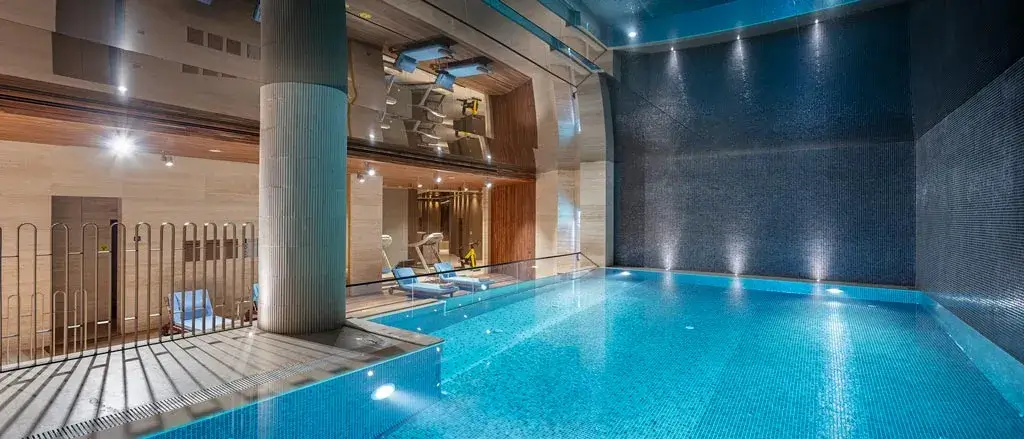
At PLTS Club, we aim to make water a safe, enjoyable, and accessible space for everyone. In this comprehensive guide, we delve into all the details you might be curious about, from the concerns of adults who want to start swimming to the contributions of swimming to children’s physical development, from the technical details of different swimming styles to the planning of training processes. Our goal is to help you overcome your fear of water, maximize your technical capacity, and experience the unique feeling of freedom that water offers with professional guidance.
Getting Acquainted with Water is Possible at Any Age: Adult Swimming Lessons
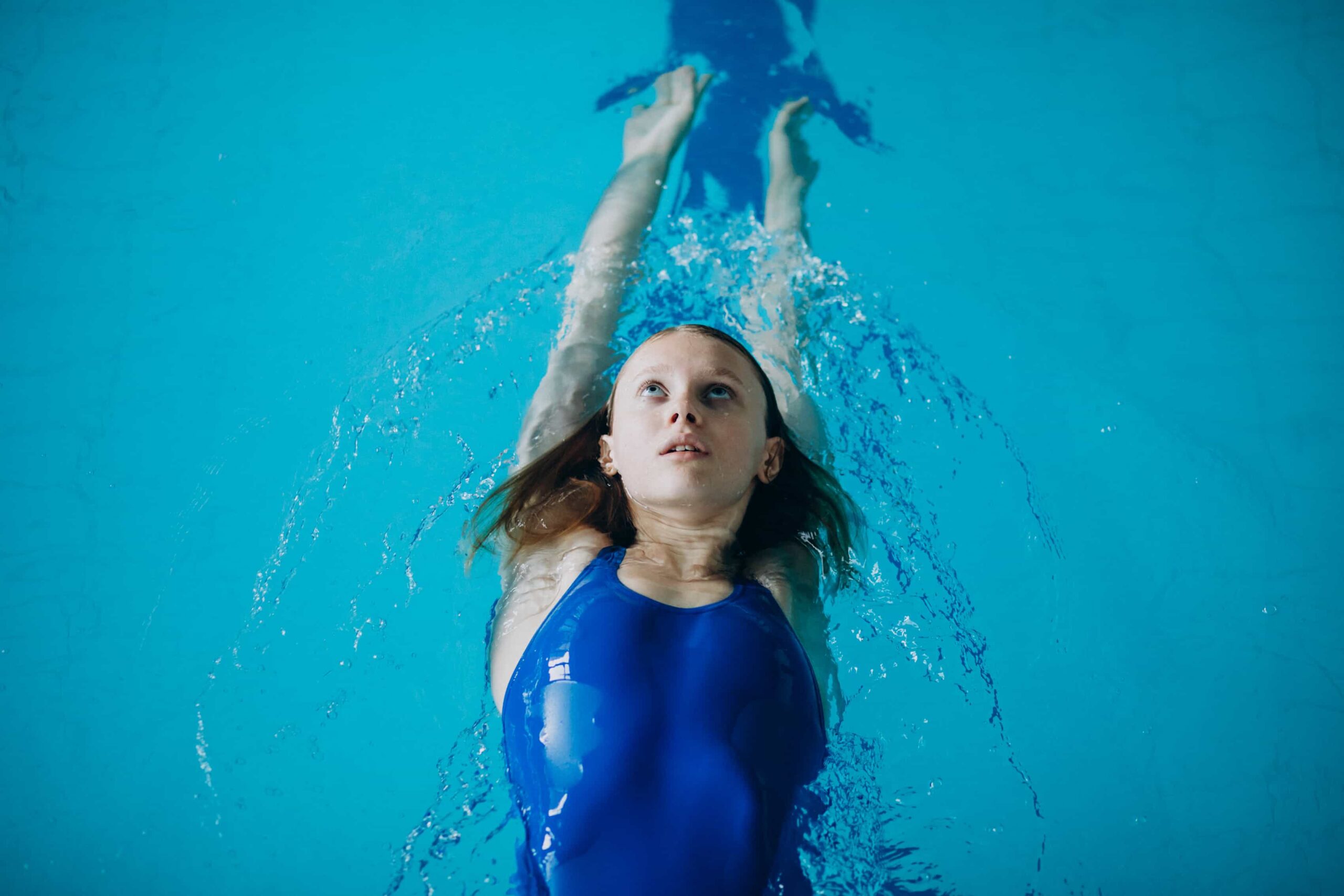
There is a common misconception that “swimming can only be learned in childhood.” This is completely unfounded. The human body and mind, with the right instructors, have the capacity to acquire new motor skills at any age. Our Adult Swimming programs are specifically designed for individuals who have had negative experiences with water in the past, have a fear of water, or simply want to improve their techniques and start a new chapter in their sporting lives. Adults’ learning processes differ from children’s; adults seek a logical framework, want to build confidence step by step, and only feel completely safe and relaxed can they embrace the water.
Can adults learn to swim? Is it possible to learn to swim at ages 30 and 40?

One of the most frequently asked questions is whether adults can learn to swim, and the answer is a resounding yes. In fact, adults may even grasp technical instructions faster because their ability to focus and follow instructions is much higher. Age-related concerns, such as whether it’s possible to learn to swim at 30 or 40 , lose their meaning in the face of the embracing nature of water. Whether you are 30, 40, or 60, the buoyancy of water works the same way for everyone. Muscle flexibility or fitness level are not obstacles to starting. The only thing that matters is working with expert coaches who have the right pedagogical approach.
Is it possible to learn to swim from scratch? Can those with a fear of water learn to swim?
You might be someone who has never been in a pool or the sea before. The question of whether it’s possible to learn to swim from scratch crosses the mind of anyone who dares to step into the water. At PLTS Club, the training process is meticulously planned, as if it always starts from zero. First, we work on breath control, hydrodynamic balance, and becoming comfortable with the water.
But what if there’s a deep-seated fear? Can those with a fear of water learn to swim? Yes, they can. A fear of water (aquaphobia) often stems from the unknown or past traumas. In our training programs, we use a gradual exposure method to overcome this fear. Students are never forced into a depth or exercise they don’t feel ready for. In a calm, supportive, and completely safety-focused environment, the water gradually transforms from a threat into a comfort zone.
What is a beginner-level adult swimming course like, and do we use a deep pool?
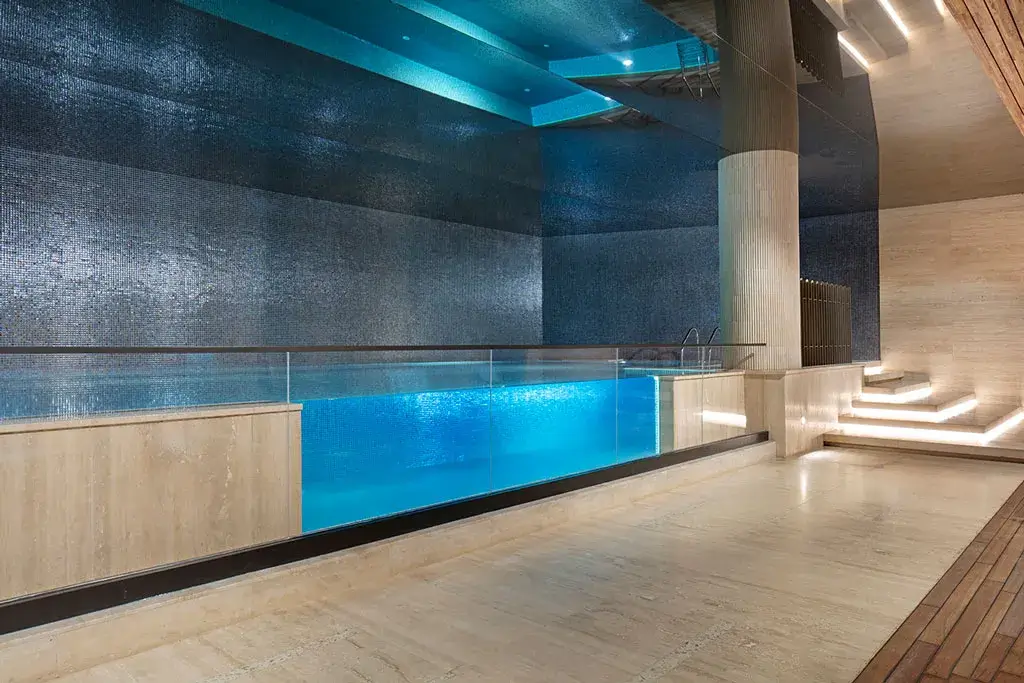
Another question mark in the minds of beginners is the training area. Is a deep pool used in adult swimming lessons? No. The answer to the question of what a beginner’s level adult swimming course is like begins with safety. The first lessons are always conducted in shallow pools where the water level is not deeper than the student’s height and their feet are firmly planted on the bottom. This is the most important step in ensuring psychological safety. Basic skills such as breathing exercises, face-under-the-water maneuvering, walking in the water, and kicking with the foot while holding onto the edge are learned entirely in shallow water. After the student gains the ability to stay afloat and move forward without support, they gradually move to deeper areas under the instructor’s supervision.
Should adult swimming lessons be private or are group lessons more effective?
The choice of training model depends on an individual’s personality, budget, and goals. Whether adult swimming lessons should be private or group classes is a personal matter. Private lessons (one-on-one instruction) are ideal, especially for those with a fear of water, limited time, or those who want to achieve a specific goal faster (for example, preparing for a triathlon). The instructor gives their full attention to a single student.
However, group classes are also extremely effective and a great source of motivation. Having individuals of the same skill level together creates a social learning environment and reinforces the feeling of “I can do it too.” Moreover, our beginner-level group classes, which answer the question of whether there are courses for adults who don’t know how to swim , are extremely fun and interactive.
Details about the Adult Swimming Course Process
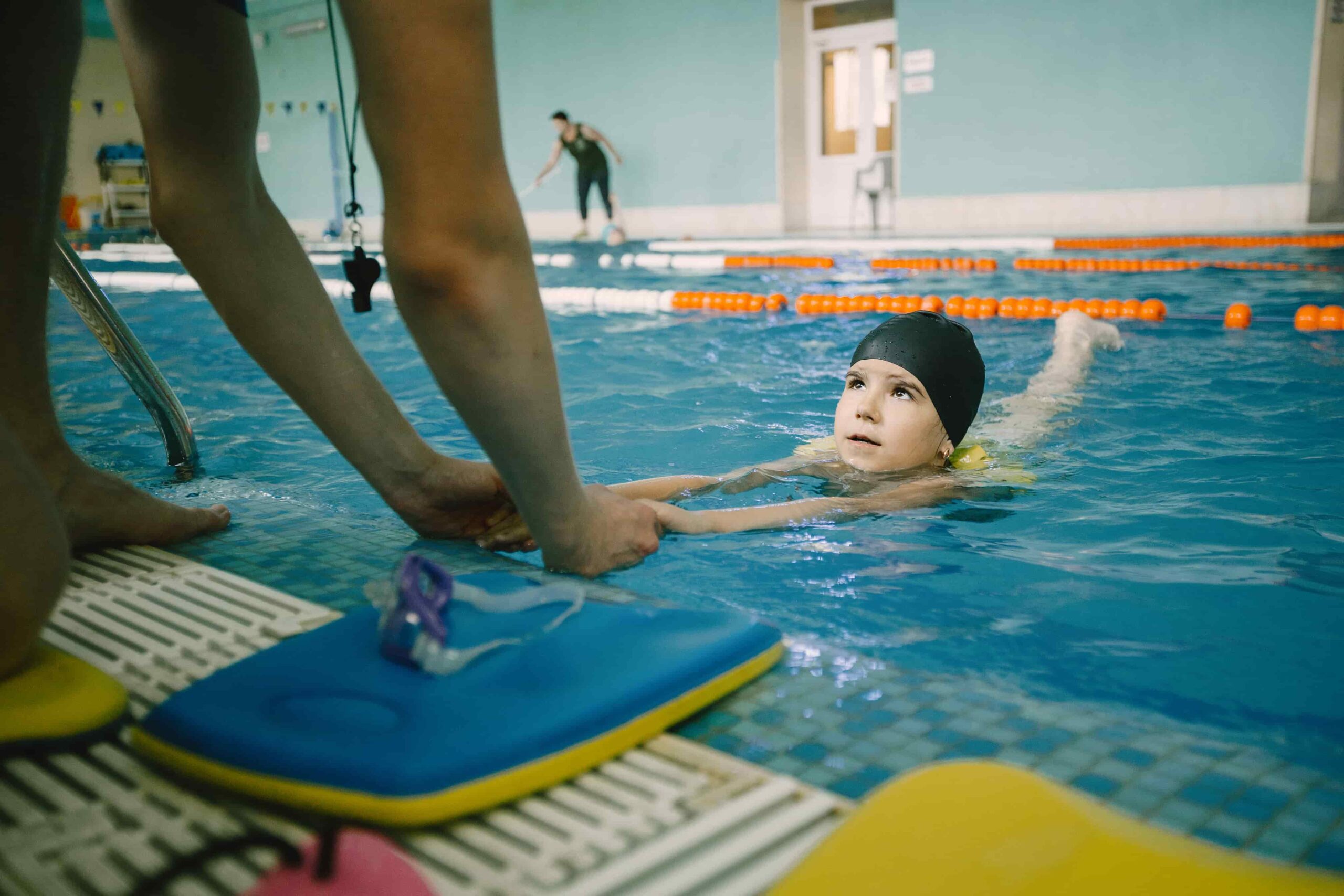
Once the decision is made, the practical details of the project become important. Time management, budget, and location are critical factors for sustainability.
- How long does an adult swimming course last and how many lessons are needed? There ‘s no single answer to the question of how many lessons are needed to learn to swim as an adult, because everyone’s motor skill learning speed and psychological relationship with water are different. However, on average, an adult who has never swum before will learn basic survival skills and beginner-level freestyle swimming in approximately 8 to 12 lessons (about 1 month) with 2-3 days of training per week.
- How many weeks does an adult swimming course last and how many hours does it take? : Our courses are generally offered in monthly packages and last for 4 weeks. For those wondering how many hours an adult swimming course lasts , a lesson is usually planned to be between 45 and 60 minutes long to maintain efficiency and prevent physical fatigue.
- Time Management: Weekend and Evening Classes: Time is a major constraint for working professionals. If you’re thinking, “I’m only free in the evenings or on weekends, do you have a suitable schedule?”, the answer is yes. In response to your requests for weekend and evening swimming classes for adults, we have both after-work evening sessions and active weekend morning/afternoon groups.
- What is the price of adult swimming lessons? Pricing varies depending on whether the training is private or group, the number of lessons per week, and the duration of the chosen package. PLTS Club offers a transparent pricing policy suitable for every budget without compromising on quality standards.
- Where to find adult swimming lessons in Istanbul? We offer our services in modern and hygienic facilities located in central locations of Istanbul. You can comfortably take your lessons in our pools, which are easily accessible, have no parking problems, and meet the highest water quality standards (regular chlorine/ozone measurements and filtration).
- What techniques are taught in adult swimming courses? : At the beginner level, adaptation to the water, proper breathing, staying afloat, and freestyle leg kicks are taught. After acquiring basic skills, students progress to backstroke, breaststroke, and advanced butterfly styles according to their wishes and capacity.
Future Champions: The Importance of Children’s Swimming Training
Introducing children to sports in childhood is the strongest foundation for a healthy adulthood. Children’s swimming lessons during this period are not just sports training, but also a tool for physical and mental development. Swimming is the most effective activity for stimulating children’s growth plates, supporting spinal health, and preventing postural disorders (such as kyphosis and scoliosis).
PLTS Club uses gamification techniques in its children’s swimming lessons. The main goal is to prevent the development of a fear of water, or to alleviate it with fun materials if it already exists. Because children have short attention spans, lessons are dynamic, colorful, encouraging, and include plenty of pedagogical praise. Furthermore, learning to swim at an early age incredibly increases a child’s self-confidence. A child who can control their body in the water tends to be a more courageous and proactive individual in their social life. During the training process, safety and pool rules are also taught in a disciplined manner, ensuring children behave responsibly near the water.
What are the Basic and Advanced Swimming Styles?
After learning to stay afloat and move forward, swimming branches out into styles that target different muscle groups and offer aesthetic satisfaction. Each swimming technique has its own unique breathing rhythm, leg-arm coordination, and body position.
Freestyle Swimming: The Pinnacle of Speed and Endurance
The most well-known, preferred, and often first taught swimming style worldwide is Freestyle (Crawl). This technique, which allows you to move fastest in the water, begins with the body positioned parallel to the water’s surface and face down. It is based on the principle of alternately pulling and pushing the water with the arms, performing a flutter kick motion from the hips with the legs, and breathing in by turning the head to the side at regular intervals, and slowly breathing out while the face is underwater.
Rotation is crucial in freestyle swimming. A slight rotation of the shoulders towards the water increases the reach of the stroke and allows you to catch more water. It incredibly strengthens the shoulder, back (latissimus dorsi), and core muscles. Ideal for long-distance swimming, freestyle is also indispensable for cardio workouts due to its high calorie expenditure.
Backstroke Swimming: Comfort and Continuous Breathing on the Water’s Surface
Backstroke, where your face is constantly above the water and breathing difficulties are eliminated , is a relaxing style, especially for beginners. In this technique, performed lying on your back on the water’s surface, the arms are alternately thrown backward over the head, while the legs are kicked with a flutter kick motion, similar to freestyle swimming.
The biggest challenge in backstroke swimming is sense of direction; since the swimmer cannot see where they are going, they must learn to use the lines or markers on the pool ceiling. Physically, it works the hamstring muscles, upper back, and gluteal muscles very effectively. For adults who sit at desks all day, backstroke swimming is an excellent therapeutic exercise to correct postural problems and restore spinal health.
Breaststroke Swimming: Excellent Rhythm and Leg Strength
Breaststroke, so named because its visual appearance resembles the movements of a frog in the water , is a highly rhythmic and technical swimming style characterized by alternating bursts of effort and rest. Unlike other styles, the vast majority of propulsion (approximately 70%) comes from the legs. The legs are bent at the knees and pulled towards the hips, then a powerful whip kick is performed to push the water out and backward. Simultaneously, the arms are extended forward at chest level, pushing the water to the sides, allowing the head to emerge from the water and breathe.
Breaststroke intensely works the inner thigh (adductor) muscles, groin area, and pectoral muscles. When done at a slow pace, it’s a great style for swimming for extended periods without fatigue or for gazing at the horizon. However, it’s recommended to learn under the guidance of a trained professional, as it can put pressure on the knee joints if proper technique isn’t mastered.
Butterfly Swimming: Advanced Level of Aesthetics and Strength
Butterfly swimming, the most difficult, most tiring, but also the most visually spectacular of all swimming styles , requires superior fitness, flexibility, and impeccable timing. It is based on the principle of simultaneously launching both arms out of the water and forcefully pulling the water under the chest. The leg movement, unlike freestyle, involves striking the legs together in a dolphin-like undulating motion (dolphin kick).
To learn the butterfly style, you first need to master freestyle and breaststroke, have shoulder flexibility, and a very strong core. This style uses the entire body like a spring and requires incredible explosive power. It is at the top of all styles in terms of calorie burning.
Mixed Swimming: The Seamless Integration of All Styles
Medley swimming training is where a true swimmer proves their mastery . In individual medley races, swimmers complete a specific distance using butterfly, backstroke, breaststroke, and freestyle in sequence. Medley swimming ensures that all muscle groups in the body work completely and in a balanced way. A muscle group that tires in one style rests partially when switching to another style, while a different muscle group takes over. PLTS Club’s advanced training programs place great emphasis on medley swimming training for the multifaceted development of students.
Professional Swimming Training with PLTS Club Difference
The most fundamental factors determining success in swimming instruction are the quality of the instructors and the standards of the facilities. At PLTS Club, we place the following values at the heart of our training philosophy:
- Pedagogical and Psychological Approach: Swimming is not just a mechanical movement of arms and legs; it is a psychological connection with the water. Our instructors understand our students’ concerns, empathize with them, and use reassuring language that is free from pressure.
- Modern Teaching Methods: Instead of traditional and rigid methods, we apply modern, step-by-step teaching methods based on biomechanical principles. We help individuals find the swimming form that best suits their anatomy.
- Hygiene and Safety: Our facilities are equipped with state-of-the-art filtration systems. Water quality, pH, and chlorine/ozone levels are continuously monitored by automated systems. Safety and hygiene are our top priorities, and we never compromise on them.
- Personalized Programs: Every individual has a different learning pace, flexibility, and goals. Therefore, instead of a standardized training template, we design dynamic programs adapted to the individual’s developmental curve.
Frequently Asked Questions
1. I have no sports background; will I have difficulty in an adult swimming course?
No, you won’t struggle. Many adults who join our swimming lessons don’t have a regular sports background. The water environment is the safest way to start exercising without straining muscles and joints, as it reduces the effects of gravity. Our lessons start from scratch and are tailored to your physical capacity.
2. What should I bring with me to the swimming lesson?
When coming to the course, you only need to bring a clean swimsuit/bikini/swimming shorts, a silicone swimming cap, swimming goggles (very important for being able to open your eyes underwater and for comfort), a towel or bathrobe, and non-slip slippers. Fully equipped showers and changing rooms are available for your use in our facilities.
3. Can I continue swimming lessons during the winter months, and will I get sick?
Absolutely, you can continue swimming. The water temperature and indoor ambient temperature of our pools are maintained according to international standards (usually between 27-29 degrees Celsius) and supported by air conditioning systems. On the contrary, regular swimming in winter strengthens your immune system and increases your resistance to diseases. You just need to dry your hair well after getting out of the pool.
4. I have a herniated disc in my neck or back; will swimming harm me?
On the contrary, specialist doctors often recommend swimming to those with neck and lumbar disc herniation. Because your body weight is reduced in the water, the pressure on the vertebrae is lessened. Freestyle swimming, especially on your back and with proper technique, helps reduce herniation pain by strengthening the muscles around the spine (core region). However, since breaststroke and butterfly styles can put pressure on the lower back and neck, you should definitely inform your instructor of your health condition and choose a style according to their guidance.
5. Is it possible to lose weight or tone your body by swimming?
Yes, swimming is one of the most effective cardiovascular exercises, working all the body’s muscles simultaneously and intensely. Moving against the resistance of the water allows you to burn extra calories. Regular and brisk swimming workouts, when supported by a balanced diet, help you burn fat very quickly, recover, and firm your body.
6. What is the ideal age to start my child in swimming lessons?
Introducing children to water is possible from infancy (baby swimming/water adaptation). However, the ideal age range is considered to be 4-5 years old, when a child can begin to learn technical swimming styles by following instructions, focusing, and adapting to group dynamics. Training started at this age ensures that the child gains water safety early on.
7. What happens if I fall behind in group classes?
PLTS Club group classes consist of homogeneous groups where people of similar skill levels are brought together. Our instructors also consider individual differences when managing the group. If you struggle with a particular movement, your instructor will provide extra guidance or make the movement easier for you, helping you catch up to the level. Our goal is not competition, but for everyone to learn correctly at their own pace.
Bring a New Breath to Your Life
Leaving behind the days when you hesitated to enter the water, feeling lighter and freer in the water is not a dream. Whether you want to experience the speed of freestyle to stay in shape, aim to release the stress of the day into the water while lying on your back, or are looking for a safe environment for your child’s healthy development; as the PLTS Club family, we are here for you with our professional team and modern facilities.
If you’re ready to push your limits, explore the unique world of water, and make a lasting investment in your health, don’t wait any longer. Contact us today to determine the training program that best suits your needs and level, visit our facilities, and schedule a trial lesson right away. See you in the water!