


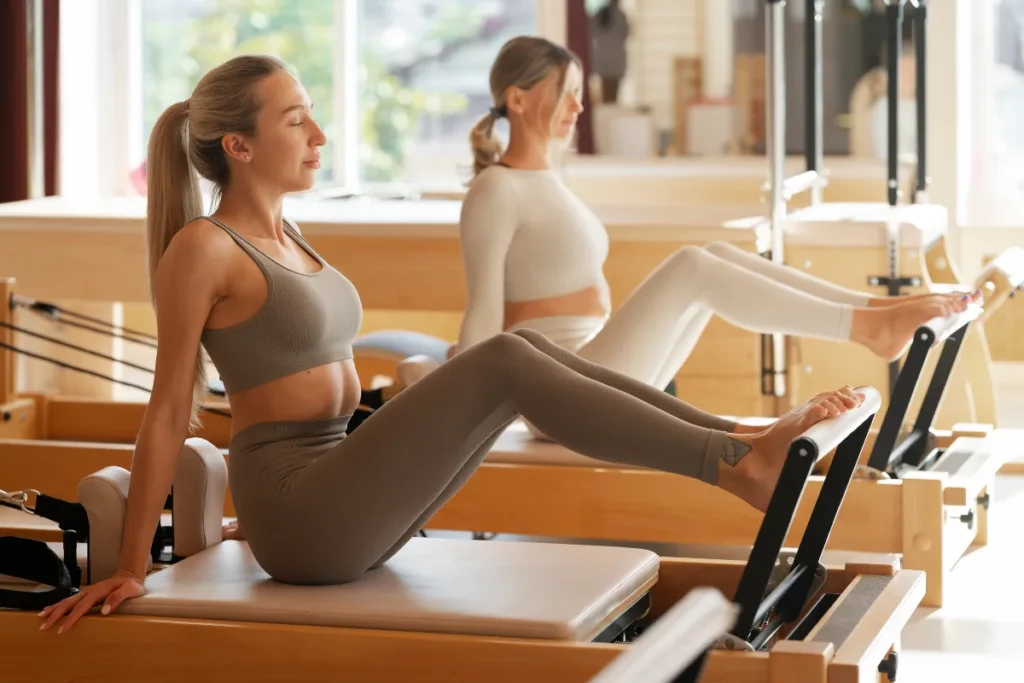
For many people dreaming of a fit body, the first focus is usually the abdominal area. Stubborn fat, especially that accumulated due to a sedentary lifestyle and eating habits, is known as one of the most difficult areas to get rid of. In this process, adults seeking to learn swimming or users wanting to learn swimming styles that will improve their posture against water resistance often wonder about the power of Pilates in this regard. So, is Pilates enough to lose belly fat?
The answer to this question lies in understanding the principles by which Pilates works on the body. Pilates is much more than classic sit-ups; it’s a discipline that builds the body’s core from the inside out.
The Role of Pilates in Shaping Abdominal Muscles
The primary goal of Pilates is to strengthen the abdominal, lower back, and hip area, which we call the “Powerhouse.” If you are a beginner, Mat Pilates sessions will teach you to activate your deep abdominal muscles (transversus abdominis). These muscles will wrap around your abdomen like a corset, helping you achieve a flatter appearance.
However, simply working out on a mat may not always be enough. To accelerate fat burning and define muscles, resistance training systems should be employed. The spring resistance of the Reformer Pilates machine forces your abdominal muscles to work at their maximum level with every movement. This intense workout creates miraculous effects in tightening sagging skin and firming the muscles in the abdominal area.
The Relationship Between Posture Problems and Belly Fat Appearance
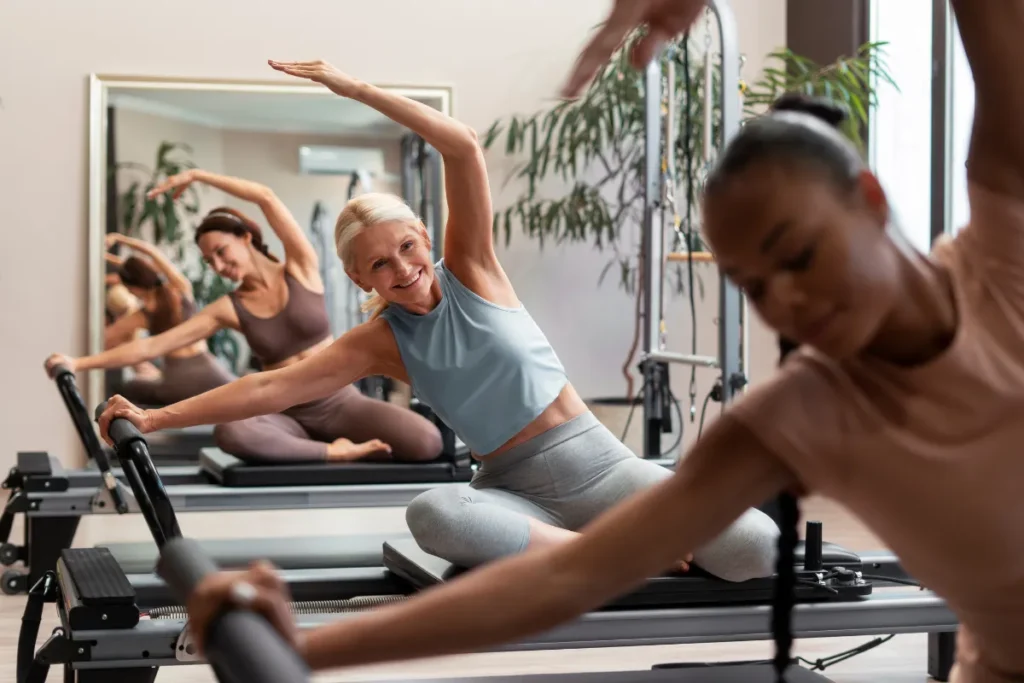
Sometimes, the feeling of excess fat in the abdominal area is not actually due to the amount of fat, but to incorrect posture. An increased curvature of the lower back, called “anterior pelvic tilt,” causes the abdomen to appear saggy. Posture Correction Sessions , applied to individuals experiencing this condition, help bring the spine to a neutral position, allowing the abdomen to naturally flatten out.
Parents, especially those seeking swimming lessons for their children , can prevent future aesthetic concerns by ensuring their children develop correct posture at an early age. Correct posture always means a slimmer silhouette.
Balance between fat burning and firming.
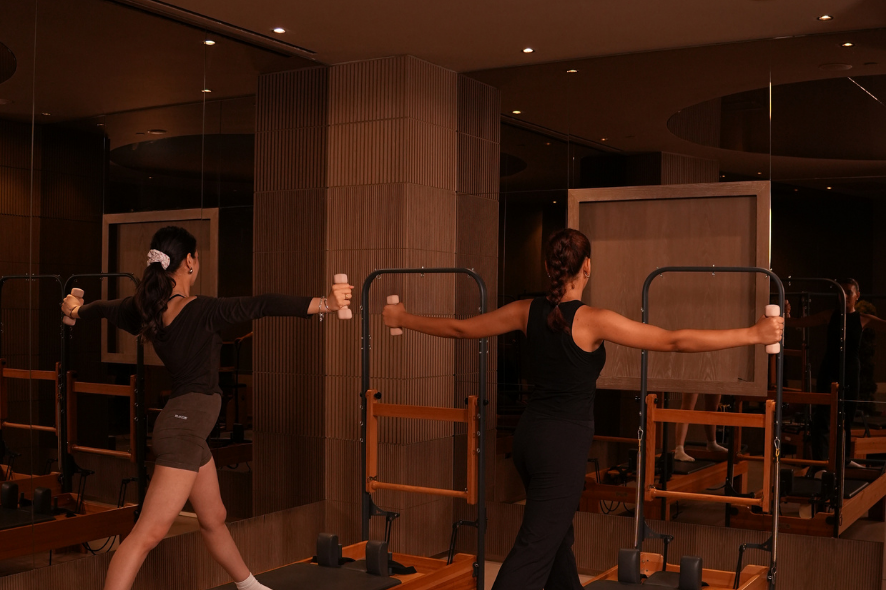
The process of losing belly fat is two-phased: fat burning and muscle building. Pilates is one of the world’s best methods for building and toning muscle. However, to melt away the fat layer, the cardiovascular system also needs to be stimulated. This is where combining Pilates with whole-body workouts like swimming becomes the “golden formula.”
For those seeking more intense calorie burning and advanced abdominal workouts, the Wunda Chair Pilates is the perfect choice. Requiring both balance and strength, this equipment engages even the deepest fibers of your abdominal muscles. If you’re worried about losing motivation, PilatesGroup Reformer Pilates Sessions offer a social environment and accelerate the process through regular participation.
The Importance of a Personalized Approach
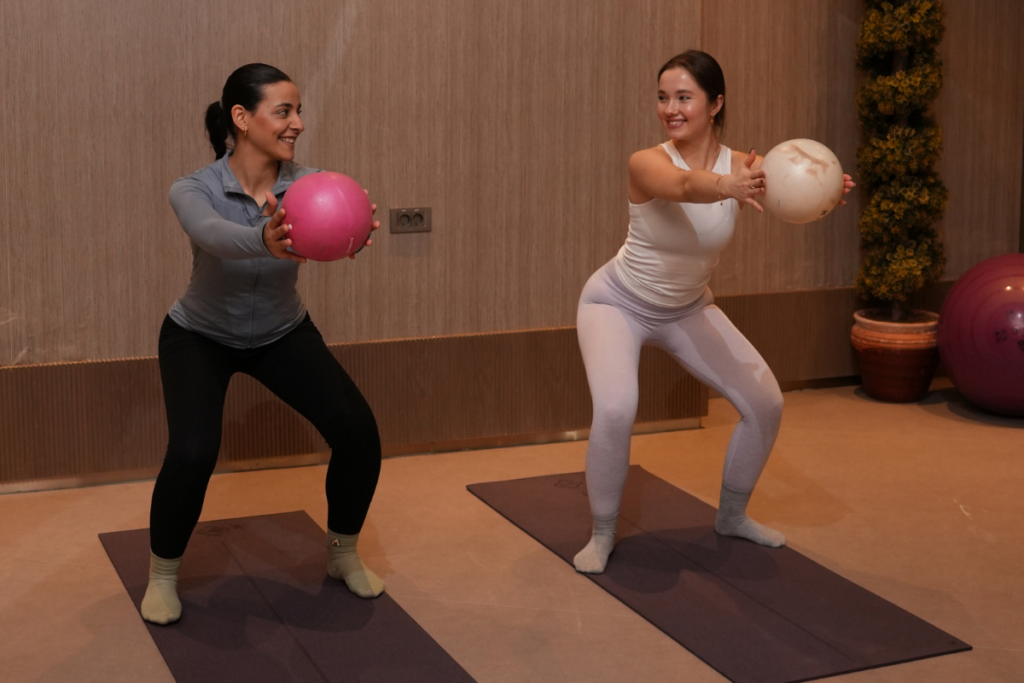
Every body type is different. Some people genetically store fat in their abdominal area, while others only need to recover after childbirth. If you have an injury or sensitivity in your lower back, you should benefit from Clinical (Rehabilitation) Pilates expertise instead of doing uncontrolled abdominal exercises. In this way, you can lose belly fat without putting strain on your lower back.
For those seeking quick and guaranteed results, Individual Reformer Pilates is the most sensible investment. Your instructor will create a program tailored specifically to your body fat-to-muscle ratio and monitor your form every second.
In conclusion, Pilates is definitely sufficient for tightening the abdominal area, shaping muscles, and slimming the waist . However, combining this process with a balanced diet and an active lifestyle (such as swimming) is the most professional approach to ensure lasting fat loss.
Frequently Asked Questions
1. Does Pilates only work the abdominal area? No, Pilates is a holistic discipline that works the entire body, but every movement begins with a focus on the core.
2. How many days a week should I do Pilates to lose belly fat? For noticeable firming and slimming, regular participation at least 3 days a week is recommended.
3. If I don’t pay attention to my diet while doing Pilates, will my belly fat disappear? Your muscles will strengthen and become firmer, but calorie control is essential to get rid of the fat layer on top.
4. Which is faster at losing belly fat: reformer pilates or mat pilates? Reformer pilates generally produces faster visible results because it works the muscles more intensely thanks to spring resistance.
5. What are the best Pilates exercises for losing belly fat? Exercises that target core stabilization, such as “The Hundred,” “Teaser,” and “Criss Cross,” are quite effective.
6. Does Pilates thicken the waist? On the contrary, Pilates works the deep abdominal muscles, tightening and slimming the waistline like a corset.
7. Can postpartum abdominal sagging be corrected with Pilates? Yes, Pilates sessions, started after doctor’s approval, help to tighten the separated abdominal muscles (diastasis recti).
8. How does combining swimming and Pilates affect the abdominal area? Swimming accelerates fat burning while Pilates shapes the muscles; this duo is the most powerful combination for losing belly fat.
9. Is Pilates suitable for losing belly fat in men? Yes, men generally have high core strength but low flexibility. Pilates helps to balance this and quickly get the abdominal area into shape.
10. How many sessions will it take before I notice a difference in my belly? You will start to feel a firming in your abdominal muscles after approximately 10 sessions.
11. Should I constantly pull my stomach in while doing Pilates? In Pilates technique, scooping the abdominal muscles towards the spine is essential, which keeps the muscles constantly active.
12. Can people with herniated discs do Pilates to lose belly fat? Yes, but they should definitely work with a Clinical (Rehabilitation) Pilates specialist , not just general classes .
13. Does it get harder to see results from Pilates as you get older? No, Pilates boosts metabolism and increases muscle tone, supporting fat burning, at any age.
14. How long should Pilates sessions last? Generally, a 50-minute session is sufficient for focused abdominal work.
15. Is it possible to get six-pack abs just by doing Pilates? Pilates defines the abdominal muscles very well; when combined with a low body fat percentage, muscle definition (six-pack appearance) is possible.