

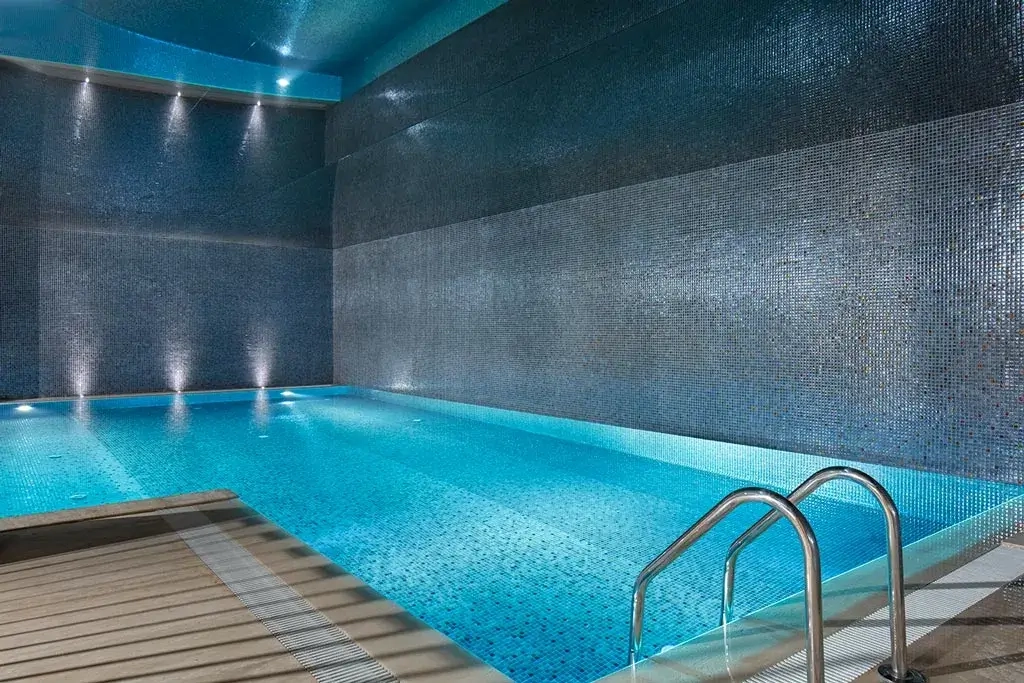
Making peace with water, liberating the body, and opening the doors to a healthy life… Swimming is not just a sport, but also a vital skill and a process of mental rehabilitation. Many people decide to embark on this journey asking, “What is a beginner’s swimming course?” The beginner level refers to a comprehensive basic training process encompassing everything from overcoming fear of water and staying afloat to proper breath coordination and fundamental mechanical movements.
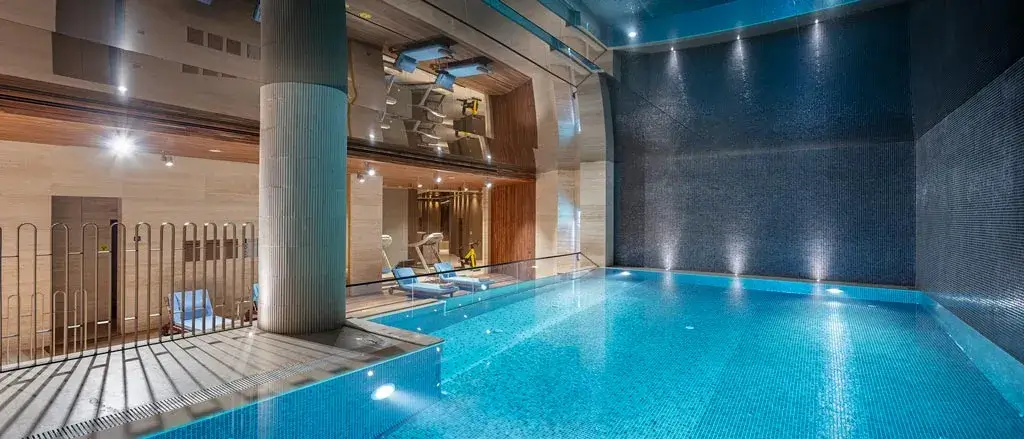
Swimming is one of the rare disciplines that can be learned at any age and works all muscle groups in the body simultaneously. Whether you want to stay in shape or fulfill a childhood dream, every step taken with a professional instructor will make you a more confident swimmer.
What to Expect at the Beginner Level?
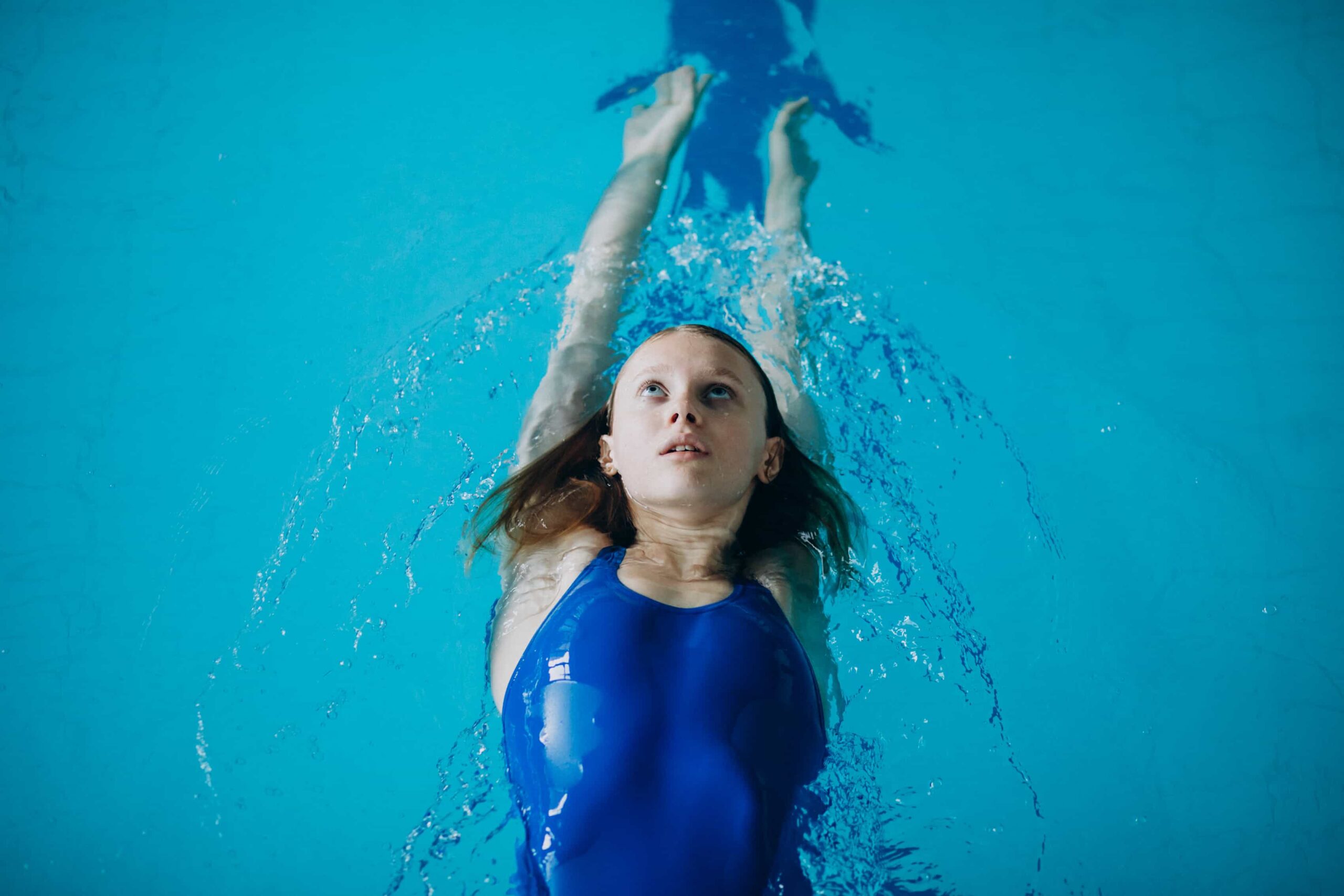
Beginner-level training usually starts with understanding the physical laws of water. Initially, exercises performed by the poolside help the body adapt to the water. The most critical point at this stage is learning to rely on the buoyancy of water.
- Water Acclimatization and Breathing Exercises: The foundation of the beginner level is breath control. Practicing breathing in through the mouth and breathing out through the nose underwater is vital for the styles you will learn later.
- Floating: This skill, known as “floating,” involves maintaining stillness on the surface of the water in a supine or prone position.
- Leg Kicks: Leg kicks, the first motor tool for moving through the water, are taught with the aid of a board or by using the edge of the pool for support.
For adults, this process can sometimes involve mental barriers. However, Adult Swimming programs offer special techniques to overcome these barriers. For children, the process is much more play-oriented. Thanks to Children’s Swimming Lessons , little ones develop coordination skills at an early age while also learning water safety.
Introduction to Basic Styles

After acquiring basic water skills at the beginner level, the foundation for the four main swimming styles is laid. Each style has its own rhythm and muscle working principles.
The first swimming style usually taught is Freestyle . Freestyle, the fastest and most energy-efficient style, emphasizes arm strokes and breath coordination. This is followed closely by Backstroke , which allows for easier breathing above the water . This style is frequently recommended by experts, especially for back and shoulder health.
Breaststroke , which requires a bit more technical detail and coordination , is included in the program in the later stages of the beginner level. Butterfly swimming , the most challenging but equally aesthetic, is usually part of advanced techniques. Mixed swimming training, where all these styles are taught together , supports the athlete’s multifaceted development.
Why Should You Get Professional Training?
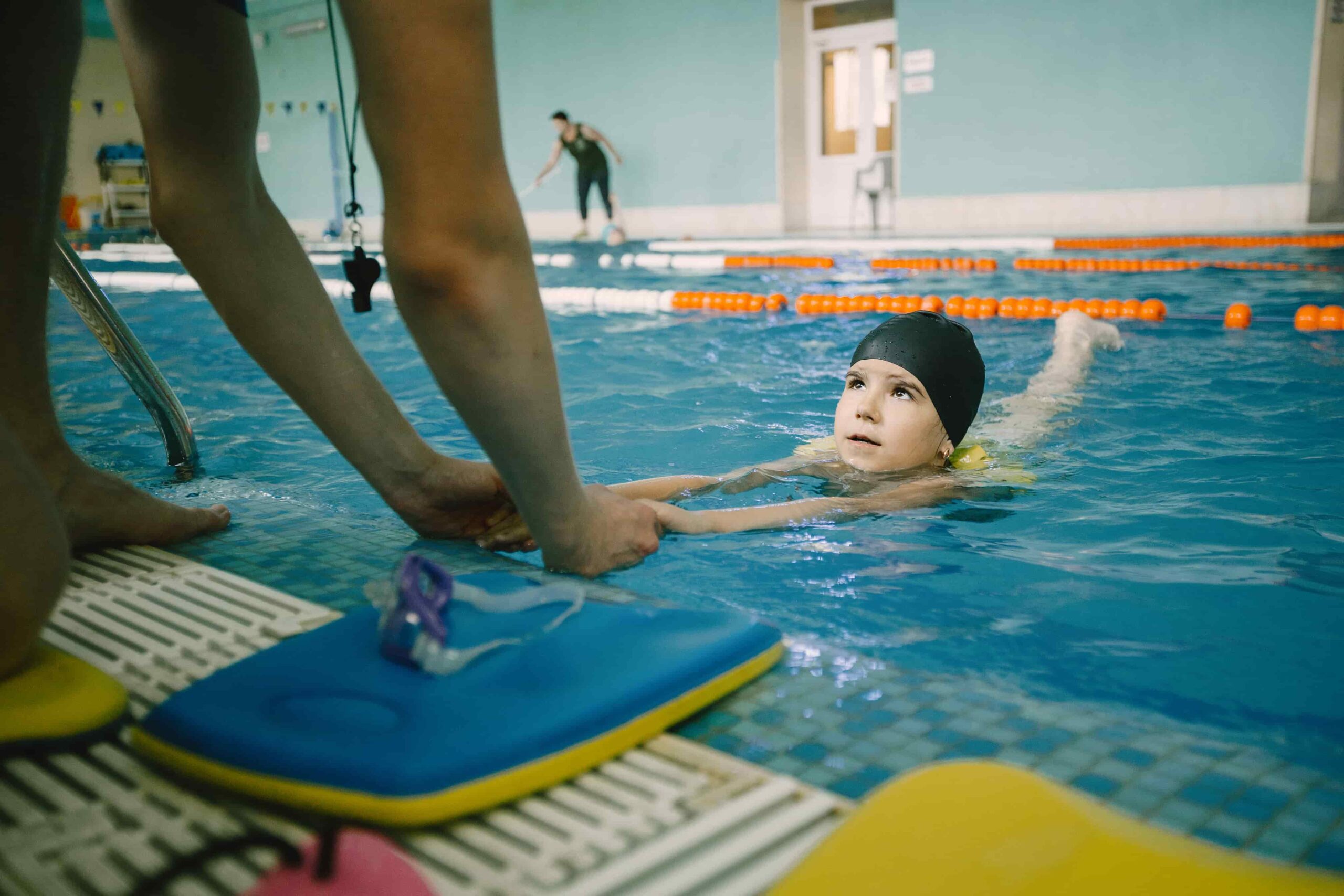
Trying to learn to swim on your own can lead to ingrained incorrect techniques or trigger a fear of water. The advantages of professional swimming lessons are:
- Safety: Under the supervision of expert trainers, risks are minimized.
- Correct Technique: Incorrect arm movement or improper breathing can put strain on the joints. Professional training teaches you the correct form from the very beginning.
- Motivation: Group or private lessons help you progress in a disciplined manner.
A beginner-level swimming course is more than just sports training; it’s about redefining your connection with water. It’s never too late to acquire this skill that will accompany you throughout your life.
Frequently Asked Questions (FAQ)
1. Is there an age limit for learning to swim?
No, swimming can be learned at any age. There are suitable programs for everyone, from babies to the elderly.
2. How long does the beginner level training last?
Depending on how quickly an individual adapts to the water, a package of 8-12 lessons is generally sufficient for basic skills.
3. I have a fear of water, can I still learn to swim?
Yes, beginner-level classes start with psychological and technical support specifically designed for individuals with a fear of water.
4. What should I bring to swimming lesson?
You only need to bring swimwear/shorts, a swimming cap, a towel, flip-flops, and swimming goggles.
5. Is wearing a head covering mandatory?
Yes, wearing a swimming cap is essential for both hygiene and to prevent hair from getting in your face while swimming.
6. Is freestyle swimming difficult?
Once proper breath coordination is learned, it is one of the most fluid and easiest styles.
7. Is backstroke swimming good for cervical disc herniation?
Yes, swimming on your back with a doctor’s approval strengthens back muscles and supports spinal health.
8. At what age should children start swimming?
Baby swimming lessons can start from 6 months old, but technical training is usually given from 3-4 years old.
9. How to breathe properly in a beginner-level swimming course?
Typically, breaths are taken quickly through the mouth and exhaled slowly through the nose underwater.
10. Is breaststroke or freestyle swimming easier?
This varies from person to person; some find breaststroke easier due to the coordination of their arms and legs, while others find freestyle easier because of its rhythm.
How many days should I swim in week 11?
For initial development, regular participation at least 2 days a week is recommended.
12. Does swimming help with weight loss?
Yes, it burns a lot of calories because it works all the muscles.
13. Is it necessary to wear glasses?
Wearing goggles is very important to protect your eyes from chlorinated water and to maintain clear vision underwater.
14. How long does it take to learn to swim butterfly?
This is the most advanced style; it’s recommended to learn it after mastering the other three styles.
15. Is it permissible to eat before classes?
Heavy meals should be avoided; something light should be consumed at least 1-2 hours beforehand.
16. Should I use earplugs?
It is recommended to use this if you have ear sensitivity or middle ear problems.
17. Which is more effective: private lessons or group lessons?
If you have fears, private lessons are ideal; if you prefer learning in a social environment, group lessons are perfect.
18. What should I do if I get cramps while swimming?
You should stay calm, get into a supine position, and try to stretch the cramped area. Your trainer will give you instructions on how to do this.
19. What is mixed swimming?
It is the practice of swimming four styles (butterfly, backstroke, breaststroke, freestyle) in a specific order during the same training session.
20. What determines the prices of swimming lessons?
Class duration varies depending on group size and facility availability.
21. Is an athletic build necessary to learn to swim?
No, swimming is suitable for all body types; the buoyancy of the water prevents you from feeling your weight.
22. What should the pool water temperature be?
Training pools are typically maintained at temperatures between 27°C and 29°C.
23. What are the benefits of swimming techniques?
It allows you to swim longer distances and faster while expending less energy.
24. Is it safe to go swimming in winter?
Thanks to indoor, heated pools, swimming lessons can be taken year-round.
25. How to improve swimming fitness?
Fitness improves with regular training and increasing distances during training.
Are you ready to strengthen your connection with water and get acquainted with professional techniques? Would you like us to plan the most suitable training program for you?