

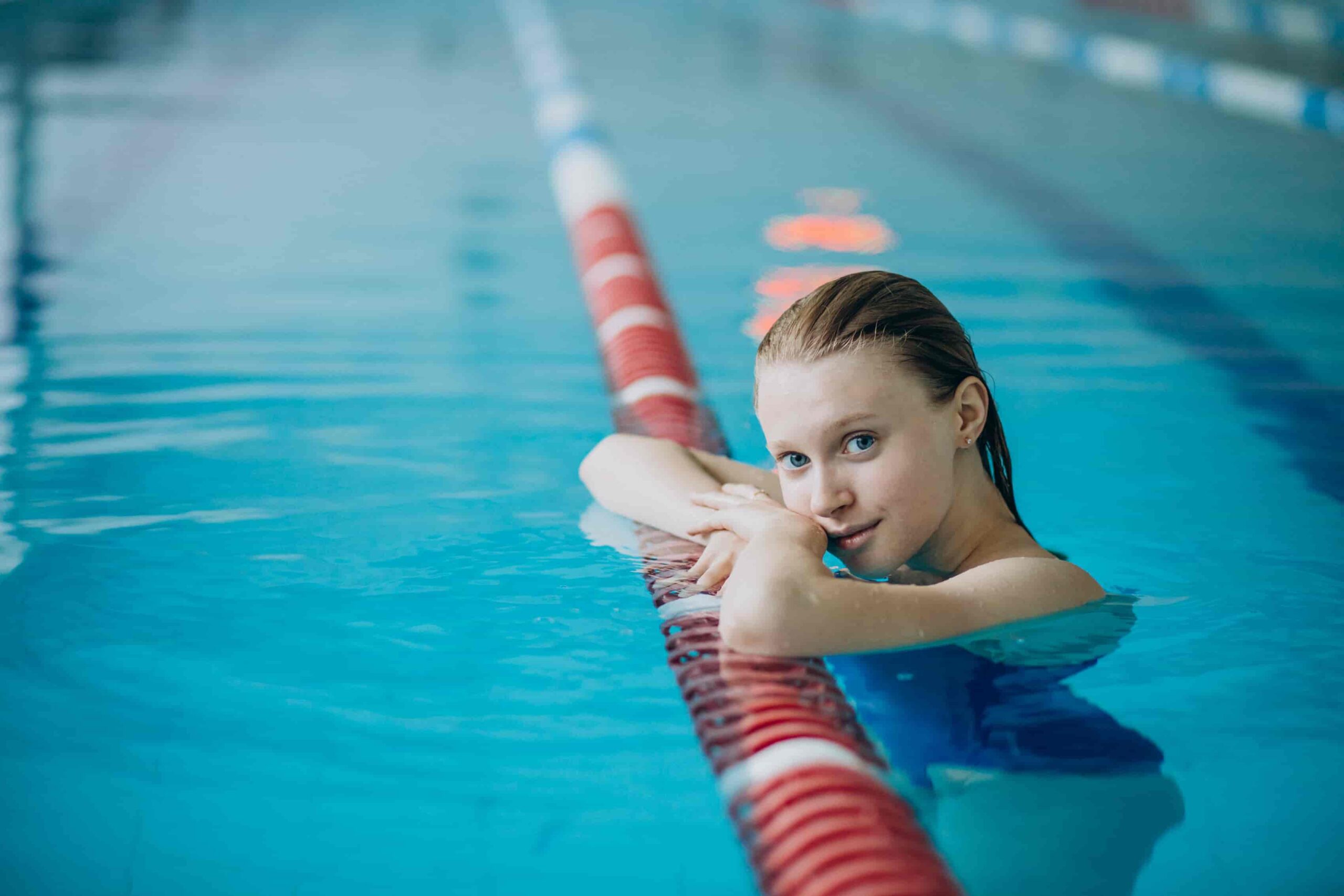
Learning to swim is one of the best steps you can take to protect both your physical and mental health, acquiring a lifelong skill. Many people, when searching for the answer to the question “What is taught in swimming lessons?”, only imagine staying afloat. However, a professional training process is a disciplined journey that extends from understanding the physical principles of water to perfecting style techniques. Whether you are an adult trying to overcome their fear of water or a parent of a child who wants to channel their energy in the right direction, swimming lessons offer a safe and motivating environment suitable for all levels.
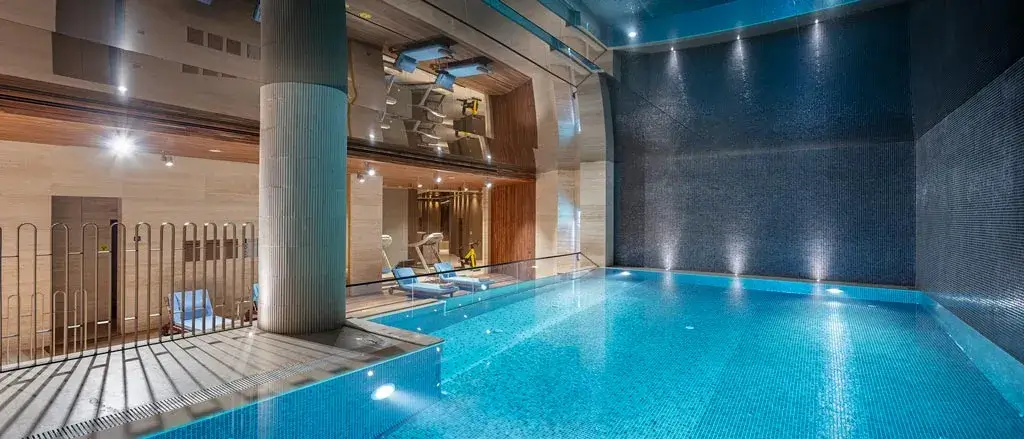
Professional swimming training begins by building an individual’s confidence in the water. This process trains not only the arms and legs, but also proper breathing techniques and mental focus.
Beginner Level: Adaptation to Water and Basic Skills
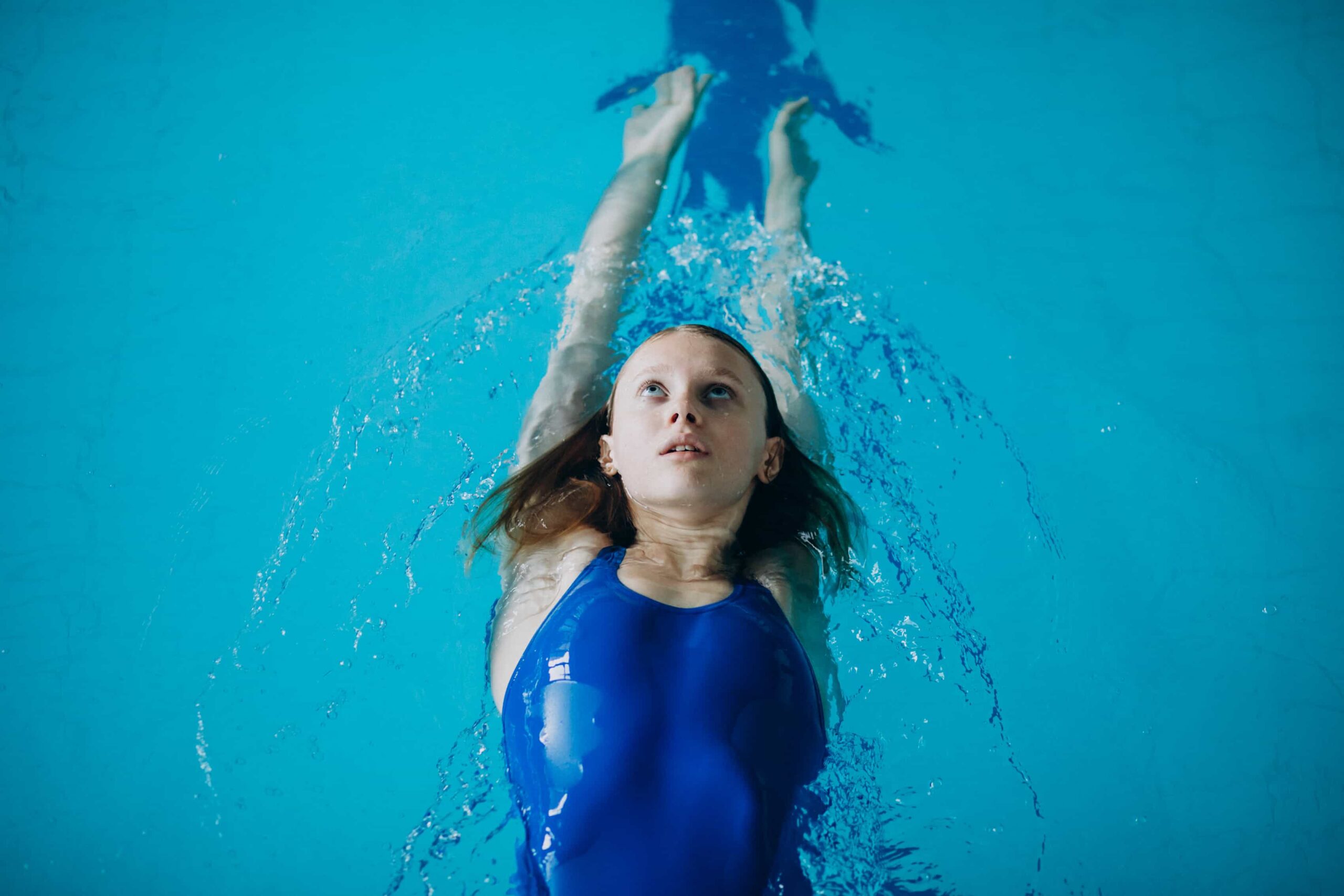
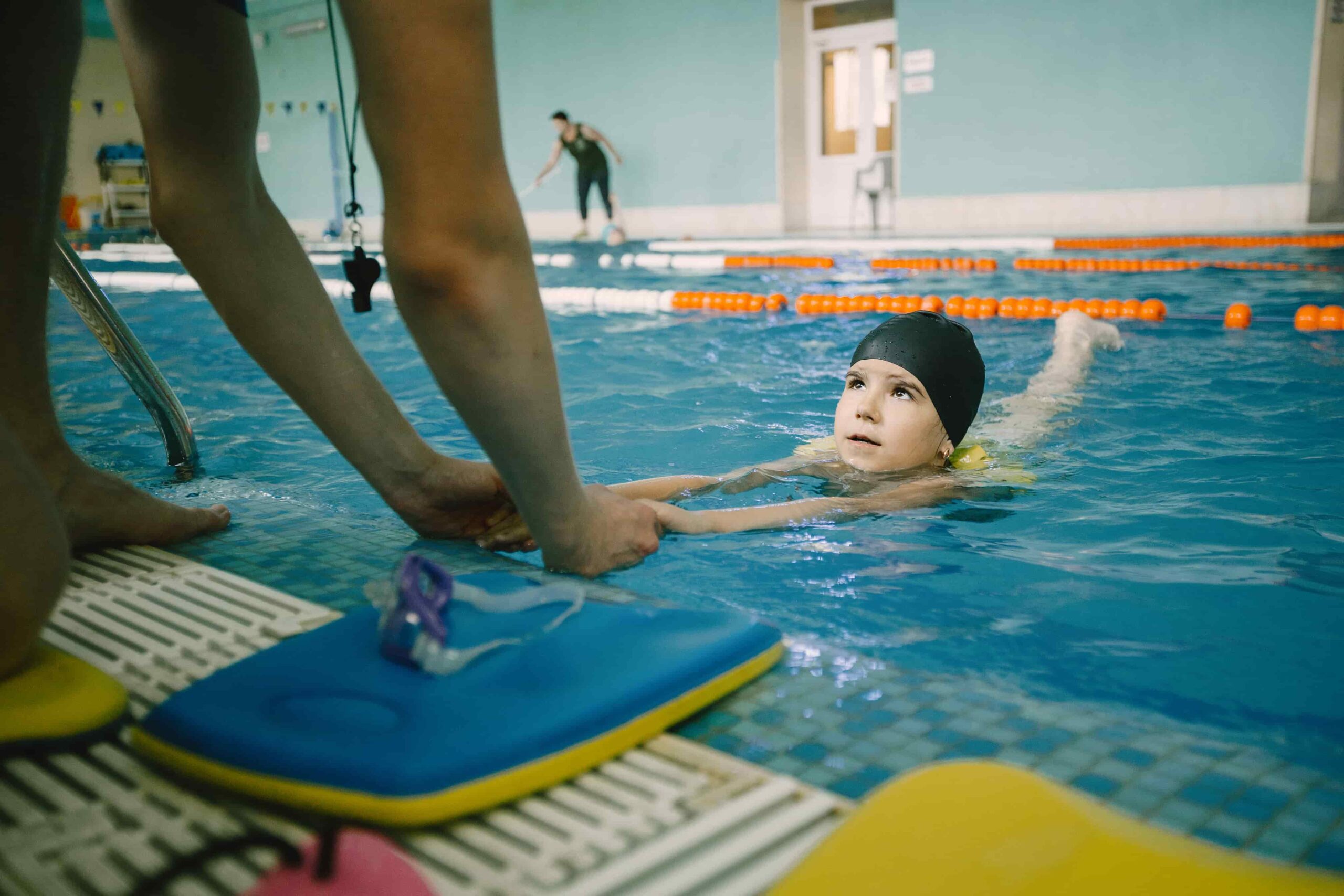
For those starting swimming lessons for the first time, the process begins with a “getting comfortable with the water” phase. The main goal in this phase is to feel the buoyancy of the water and to control feelings of panic.
- Breathing Coordination: Breathing is the most critical element of swimming. Initially, exercises involve exhaling through the nose while underwater and inhaling through the mouth once out of the water.
- Body Position: You will be taught how to float horizontally on the water. This is the foundation for all styles that will be learned later.
- Leg Kicks: Leg kicks performed from the pool edge or with the support of a board help develop a grasp of the mechanics of moving through the water.
Fear of water, especially common in adults, can be completely overcome by patiently progressing through these fundamental stages under the guidance of expert instructors. The Adult Swimming programs offered provide a curriculum tailored to the physiological and psychological needs of adults.
Intermediate Level: Building Swimming Styles

Once basic water skills are acquired, the course content begins to focus on technical details. At this stage, the swimmer is taught the mechanics of the four basic styles.
Freestyle swimming , the most popular and first style learned , is key to covering long distances with minimal effort. It focuses on arm pulls, breathing with the head turned to the side, and the coordination of leg kicks. This is followed by backstroke swimming , where breathing is easier while lying on your back on the water’s surface . This style yields excellent results, especially for spinal health and posture correction.
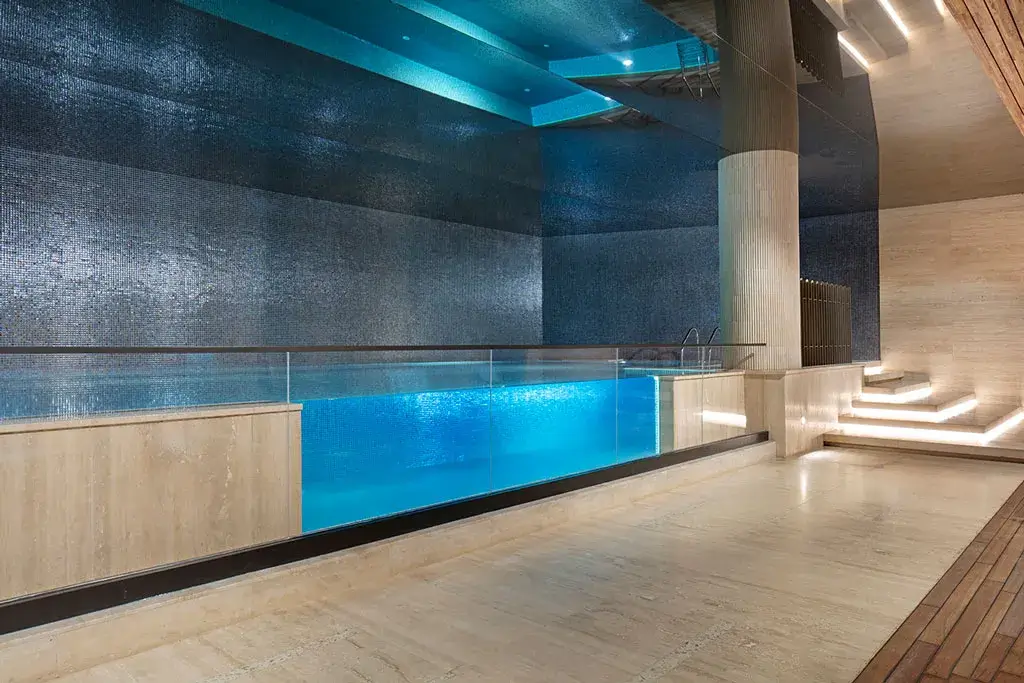
Breaststroke swimming , which requires more rhythmic coordination , focuses on the simultaneous circular movements of the arms and legs. The process is made much more enjoyable for children as they learn these techniques. Gamification techniques are used in children’s swimming lessons to support the development of motor skills.
Advanced Level: Technical and Fitness Development
For those wishing to master swimming techniques, training becomes more challenging and rewarding. Butterfly swimming , the most aesthetically pleasing and demanding style, involves simultaneously launching the arms out of the water with a wave-like movement of the body. At an advanced level , endurance and speed are increased through mixed swimming training , which combines all these styles in succession .
In professional training, not only styles but also turning techniques (somersaults), sprints (dives into the water), and underwater exits are taught.
Frequently Asked Questions
- What happens in the first lesson of a swimming course? Typically, the focus is on getting acquainted with the water, breathing exercises, and understanding buoyancy.
- How long does it take to learn to swim? On average, you can learn to stay afloat and move forward in a basic training package of 8-12 lessons.
- Can adults learn to swim? Absolutely. With programs specifically designed for adults, it’s possible to learn to swim at any age.
- Do I need any equipment for swimming lessons? A swimsuit, swimming cap, towel, flip-flops, and swimming goggles are enough for beginners.
- Are goggles mandatory? They are recommended to protect your eyes from chlorinated water and to see clearly underwater.
- Why do you wear a swimming cap? It’s essential to maintain pool cleanliness and prevent hair from getting in your face and obstructing your vision.
- Is it possible to overcome the fear of water? Yes, expert instructors can help you overcome this fear with gradual training techniques.
- Which swimming style is the easiest? Backstroke or freestyle are generally considered the most practical styles to learn.
- Is it possible to take swimming lessons in winter? Yes, thanks to indoor and heated pools, lessons can be taken all year round.
- How many days a week should I take classes? At least two days a week is ideal for building muscle memory.
- At what age should children start swimming? For water safety, 3-4 years old is the ideal starting age for technical training.
- Does swimming help with weight loss? Since it’s a sport that works all the muscles, it burns a lot of calories.
- Private lessons or group lessons? Private lessons are preferable for faster progress, while group lessons offer better social interaction.
- Does swimming help with height growth? In growing children, it helps improve posture by supporting spinal health.
- Should you eat before classes? A light meal should be consumed at least 1.5-2 hours beforehand.
- How to breathe in freestyle wrestling. During the arm pull, the head is turned to the side and breath is taken through the mouth.
- Will I swallow water while swimming on my back? This problem shouldn’t occur because your mouth will stay above water once you’ve been taught the correct body position.
- Is butterfly swimming difficult? It’s a style that requires coordination and strength, and it’s recommended to switch to butterfly swimming after learning other styles.
- Why is knowing swimming techniques important? Technical skills are essential for swimming more safely and quickly with less fatigue.
- What are the fees for swimming lessons? They vary depending on the number of lessons taken and whether you choose group or private lessons.
- Is the pool water hygienic? In professional clubs, the water is regularly measured and passes tests approved by the Ministry of Health.
- Which muscles are worked? All the muscles in the body are actively working, primarily the shoulders, back, and legs.
- How can swimming fitness be improved? It can be improved through regular training and distance work done in sets.
- Can people with hernias swim? In most cases, doctors recommend swimming on your back, but expert advice should always be sought.
- What should be done after swimming? Shower to remove chlorine and moisturize your body.
Why not take the first step to increase your confidence in the water and get acquainted with professional techniques? Would you like us to plan the most suitable training program for you together?