

Swimming is one of the world’s most comprehensive sports, supporting both physical development and providing mental relaxation. The most common question for those wishing to acquire this lifelong skill is: What is the best age to learn to swim? The short answer is: it’s never too late to get acquainted with water. However, the advantages offered by water vary at different stages of development.
In this article, we will detail the ideal timing for swimming lessons from infancy to adulthood, the skills acquired according to age groups, and why professional training is critical at every age.
Childhood: The Golden Age When the Foundations Are Laid
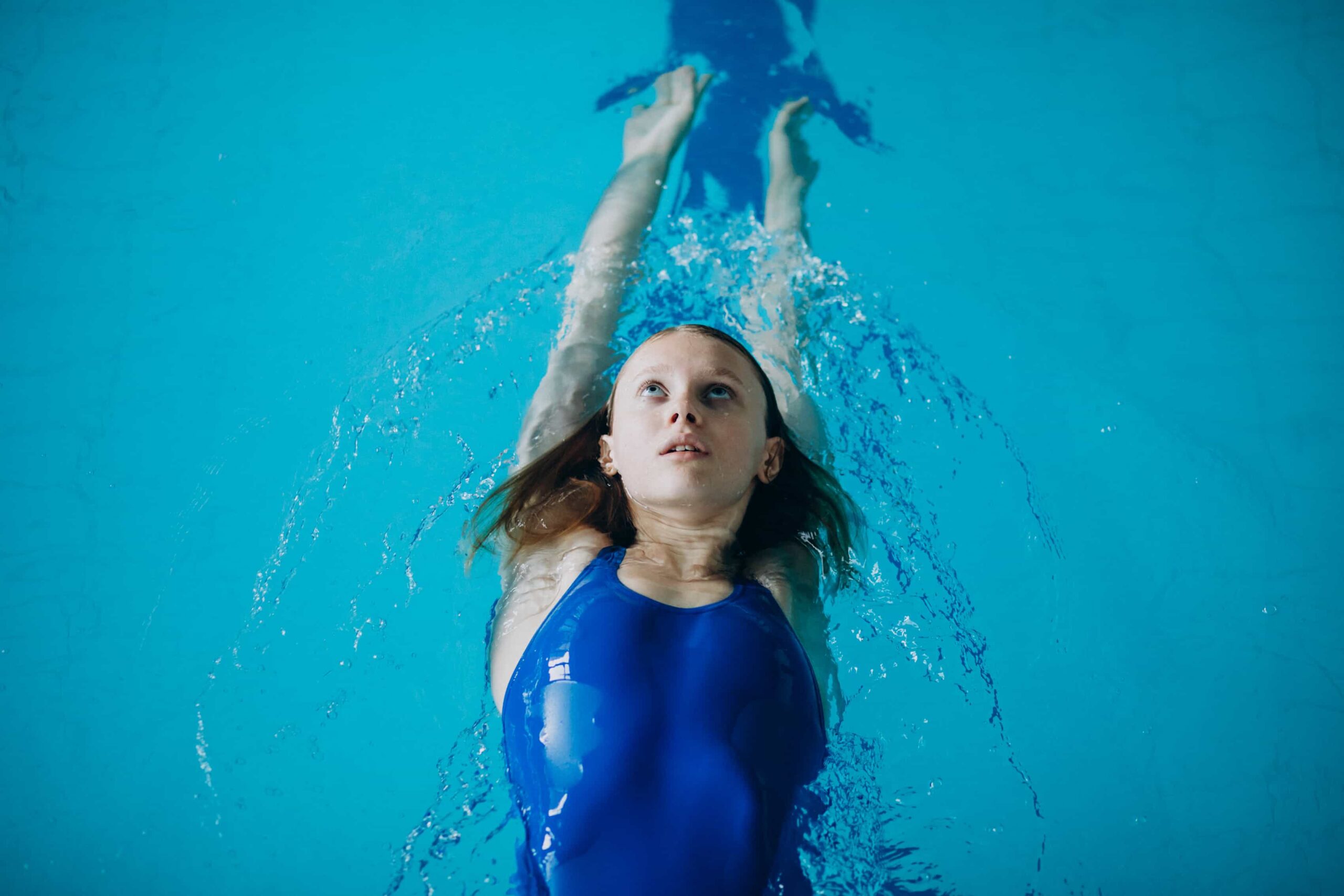
According to experts, the most effective time for children to gain water safety and adapt their basic motor skills to water is around the age of 4. This is a stage where children develop the ability to follow instructions and establish physical coordination. Children’s Swimming Lesson programs introduce children in this age group to water as a playground while also instilling discipline.
Training that begins at an early age fosters not only physical development but also self-confidence. Children who grow up comfortable with the buoyancy of water grasp more complex techniques much faster as they get older. If your child already possesses basic water skills, transitioning to more technically detailed swimming styles will be much easier.
Swimming in Adulthood: It’s Never Too Late

Many adults mistakenly believe that swimming is very difficult if not learned in childhood. However, adulthood is a great time to learn to swim, thanks to analytical thinking and conscious muscle control. Adult swimming lessons are often specifically designed for individuals who want to overcome their fear of water or improve their existing style.
Adults, due to their heightened body awareness, can correct their posture more quickly in the water. The healing power of water can be used at any age to combat modern problems like work stress and back and neck pain. Remember, there’s no upper age limit for learning to swim; the important thing is to step into the water with the right methodology.
Specialization and Technical Development in Swimming Styles
No matter what age you start, once you learn to stay afloat, you need to work on different styles to improve your performance. Each style has its own dynamics and learning process.
- Basic Starting Point: Most training programs begin with Freestyle Swimming because it increases speed and endurance . This style is fundamental to breath coordination.
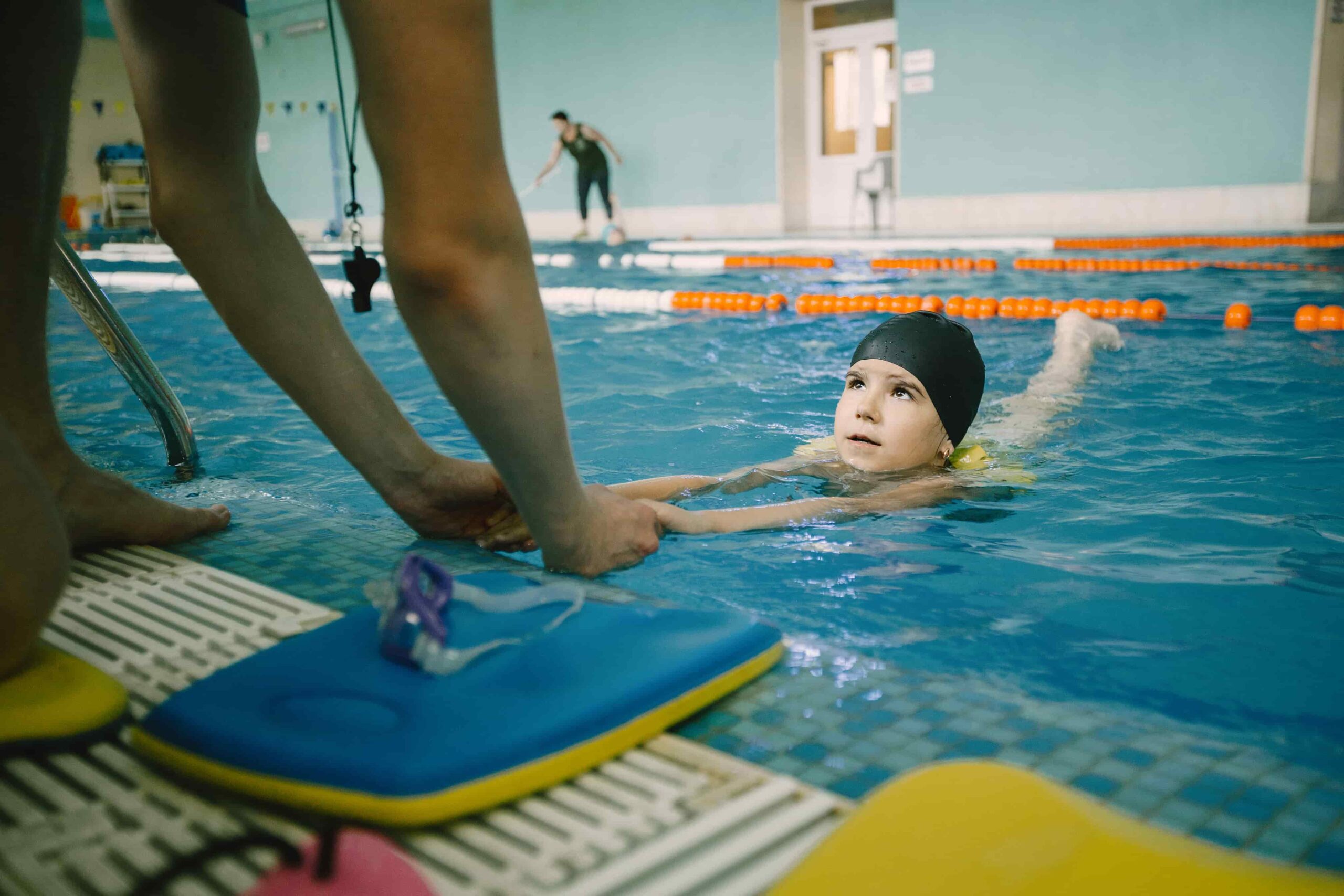
- Spinal Health: Backstroke swimming , which makes breathing easier by keeping the face above water , is a comfortable option for students of all ages.
- Coordination and Rhythm: Breaststroke swimming , which relies on the synchronized movement of the arms and legs , is ideal for those who want to feel the resistance of the water.
- Power and Aesthetics: Butterfly swimming , the most demanding technique , requires the balanced use of all the body’s energy and is usually taught to advanced swimmers.
- Comprehensive Training: Mixed swimming sessions, bringing together all disciplines , are the best way for those who want to take their fitness to the next level.
Why Choose a Professional Course?
Learning to swim on your own or with a friend often leads to the entrenchment of incorrect techniques. A professional course teaches you ergonomic and safe movement in the water, regardless of your age. Incorrect breathing or an incorrect stroke angle can lead to joint pain later in life. Professional instructors monitor your progress, correct your mistakes immediately, and help you reach your goal as quickly as possible.
Frequently Asked Questions (FAQ)
What should you do after swimming? Take a warm shower to remove the chlorine and replenish lost fluids.
What is the best age to learn to swim? The ideal starting age for learning safety and techniques is 4, but it can be learned at any age.
How many lessons does it take for an adult to learn to swim? On average, basic water skills are acquired in 8-12 professional lessons.
Can babies swim? Water introduction lessons can begin from 6 months of age; this prevents the development of a fear of water.
Which swimming style is easier? Backstroke is generally considered the easiest because breath control is easier.
What do I need for swimming lessons? A swimming cap, goggles, swimsuit, and towel are the basic necessities.
Does swimming help with weight loss? Yes, it’s one of the sports that burns the most calories because it works all the muscles in the body.
How can I overcome my fear of water? You can gradually overcome your fear with shallow water exercises led by expert instructors.
How many days a week should you swim? For optimal development, at least two regular swimming sessions per week are recommended.
Is it possible to take swimming lessons in winter? Yes, lessons can be taken year-round in heated indoor pools.
Does swimming help with height growth? It aids development in growing children by supporting spinal health.
Can people with herniated discs swim? With a doctor’s approval, yes; backstroke swimming in particular strengthens the back muscles.
Which is better: private lessons or group lessons? Private lessons are suitable for those who want to progress quickly, while group lessons are better for those who want to socialize.
Are swimming goggles essential? They are highly recommended for eye health and comfortable underwater vision.
Can pregnant women participate in swimming lessons? As long as they have doctor’s approval, it is one of the safest sports that can be done during pregnancy.
How long does it take to learn to swim? Depending on individual adaptation speed, the basic level can be completed in 1-2 months.
How is breath coordination achieved? It develops over time through rhythmic inhalation through the mouth and exhalation through the nose, as demonstrated by instructors.
Can knowing how to swim save lives? Absolutely; basic swimming skills are vital in unexpected accidents.
Which is the most difficult swimming style? It’s the butterfly style, which requires high power and technical ability.
Can people with asthma swim? Yes, swimming is a frequently recommended sport because it increases lung capacity.
What should you do if you get a cramp while swimming? You need to stay calm and stretch the affected area; safety lessons for such situations are given during training.
Why is wearing a swimming cap mandatory? It’s necessary both for pool hygiene and to prevent hair from covering the face and obstructing vision.
Can someone who can’t swim enter a deep pool? No, training begins in safe, shallow areas where your feet can touch the bottom.
What factors affect swimming course fees? They vary depending on the number of lessons, the quality of the facilities, and the type of session (private/group).
How do you get into swimming teams? Talented children who successfully perform specific techniques are directed to tryouts.
Is the pool water hygienic? In professional facilities, the water is constantly filtered and undergoes regular chemical tests.
How long does a swimming lesson last? Each session is usually between 50-60 minutes.
Is swallowing water normal when learning to swim? It’s quite normal at the beginning, and you’ll get used to it over time.
At what age can one learn butterfly swimming? Anyone aged 8-9 and above who has mastered the basic styles can learn.
What age groups does Plts Club offer training for? We have training programs tailored to every age group, from babies to adults.