

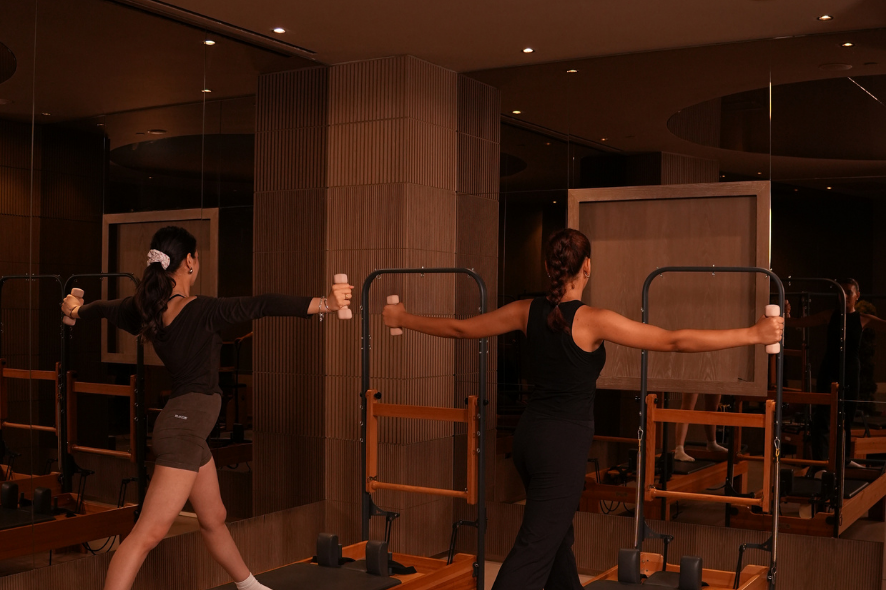
Pilates, based on body awareness and core strength, is one of the world’s most popular exercise disciplines. Many people embark on this journey to improve posture, gain flexibility, or tone their bodies. However, the busy pace of life sometimes forces us to take breaks from training. At this point, the most critical question that comes to mind is: Does the body return to its old state when Pilates is stopped?
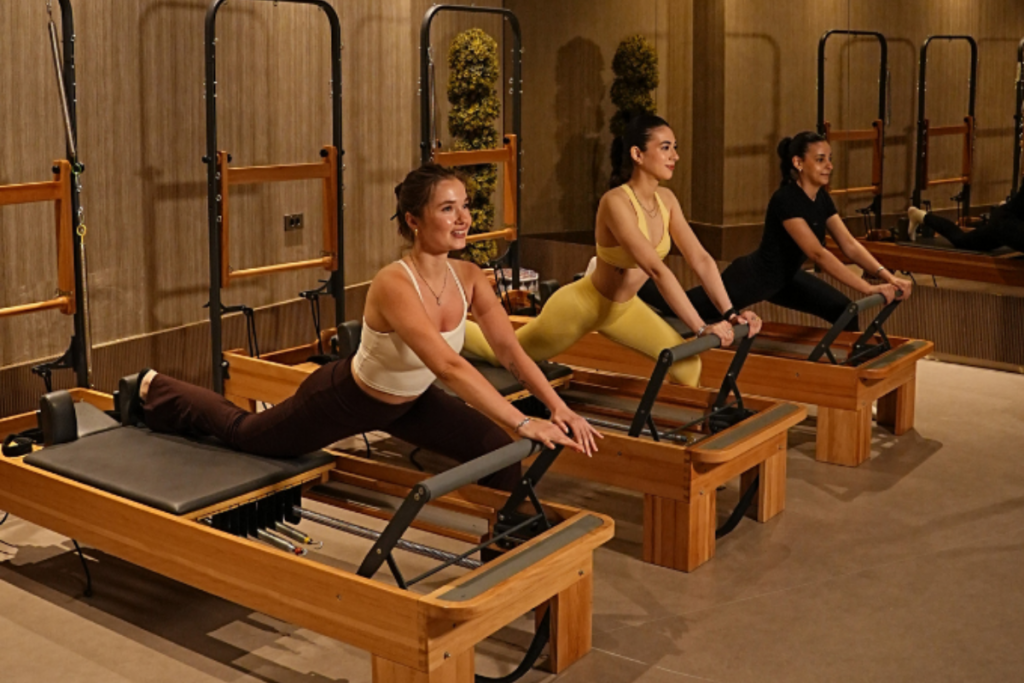
While the answer to this question is both “yes” and “no,” understanding how the process works will help you maintain your motivation. Muscle memory, dietary habits, and lifestyle are key factors in determining the speed of this recovery.
Muscle memory and how the process works?
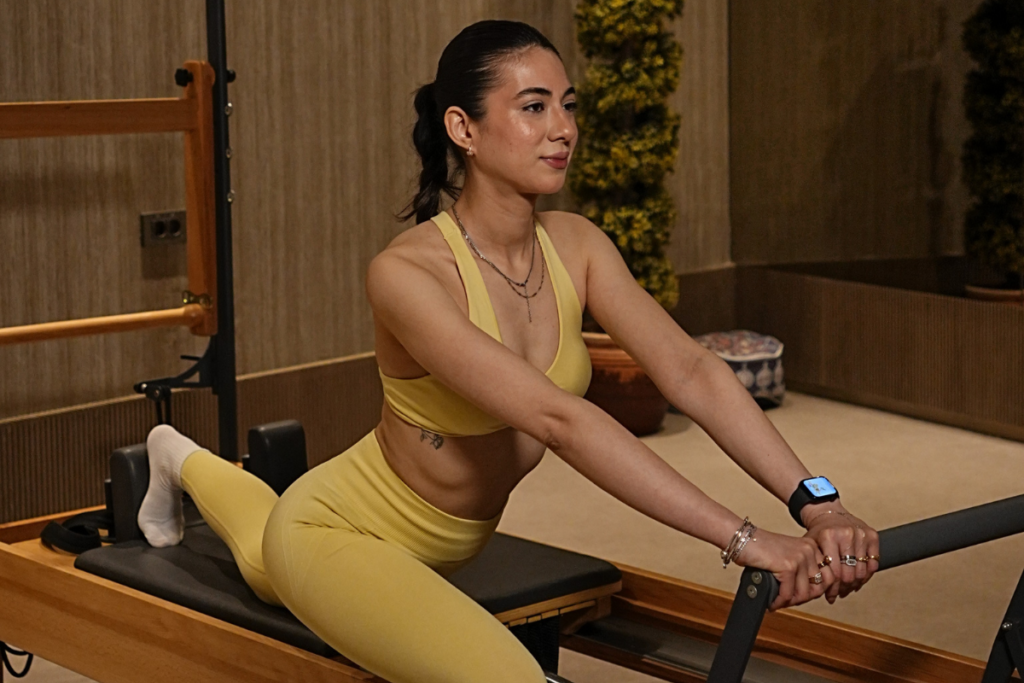
While doing Pilates, your body not only builds muscle, but also strengthens the connection between the nervous system and muscles. Resistance-focused exercises, especially Reformer Pilates , lengthen muscle fibers and increase their endurance. When you stop training, the body enters a process called “atrophy.” However, this doesn’t happen overnight.
You will usually start to feel a slight decrease in muscle tone between 2 and 4 weeks. If you have been training regularly for a long time, thanks to muscle memory, you will return to your previous form much faster when you start again compared to someone starting from scratch.
Physical Effects of Quitting Pilates
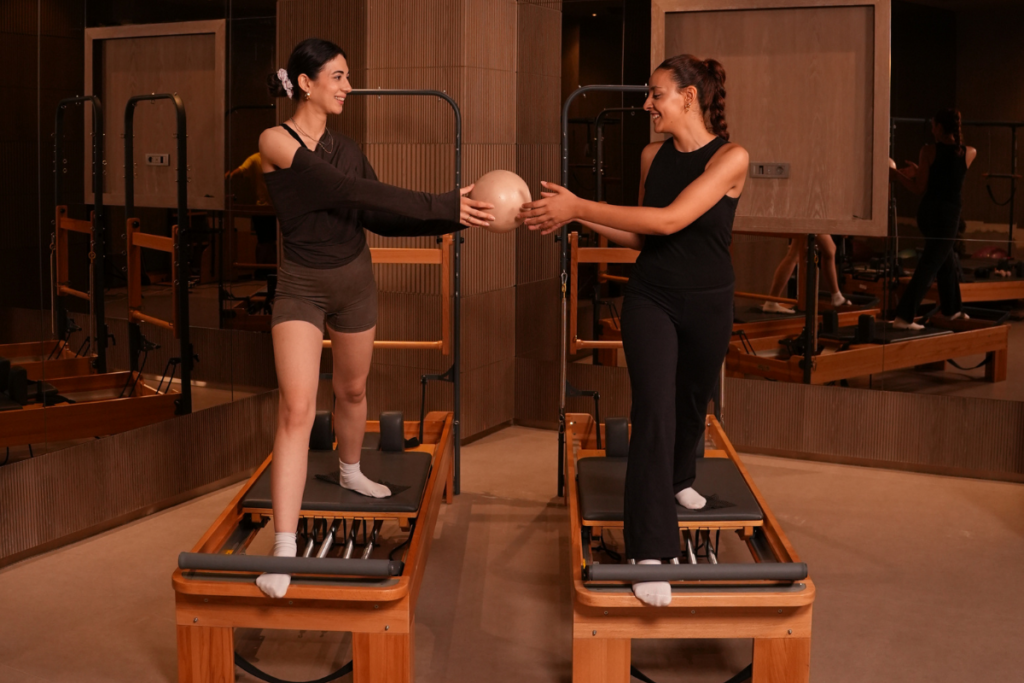
The main changes you might experience when you stop Pilates can be summarized under the following headings:
- Loss of Flexibility: Flexibility, one of the greatest gains from Pilates, is unfortunately also the quickest to be lost. When you stop regular Mat Pilates sessions, you may notice a decrease in the range of motion in your joints and feel more “stiff” in the mornings.
- Posture Problems: Pilates focuses on spinal health. When training stops, problems such as shoulders drooping forward and an increased curvature of the lower back can recur, especially in those who work at desks. At this point, the upright posture habits gained through Posture Correction Sessions can be replaced by old, incorrect habits due to weakening of the abdominal muscles.
- Core Weakness: When the core region, which we call the “powerhouse,” weakens, lower back pain can be triggered again. If you have received clinical (rehabilitation) Pilates support after an injury , completely stopping the exercises can reverse the healing process.
What can be done to prevent the body from returning to its original state?
If you can’t go to the studio due to your busy schedule, you should be strategic about maintaining your fitness. For example, instead of attending Group Reformer Pilates sessions three days a week , you can do 15-minute basic mat exercises at home when you have limited time.
Getty Images
Remember that your body returning to its “previous state” isn’t solely due to a lack of exercise. If you neglect your diet and adopt a sedentary lifestyle after stopping exercise, muscle loss will be replaced by fat accumulation. However, if you remain active, climb stairs, walk, and incorporate stretching exercises into your life, you can maintain that “long and slender” look provided by Pilates for a long time.
Why You Shouldn’t Quit Completely
Pilates is not just a sport, it’s a lifestyle. If your motivation has dropped, you can try changing your training routine. Perhaps you’d be interested in switching to Individual Reformer Pilates sessions for a more personalized program or exploring different equipment. For example, different methodologies like Wunda Chair Pilates can add excitement to your routine and prevent you from wanting to give up.
In conclusion, when you stop Pilates, your body will gradually return to its previous state of fitness, but the awareness and muscle memory you’ve gained will always stay with you. Maintaining your form is always easier than giving up altogether.
Frequently Asked Questions
1. Will I gain weight immediately after stopping Pilates? No, weight gain is related to calorie balance. However, as muscle mass decreases, metabolic rate can slow down, which can lead to weight gain if not monitored.
2. How long does it take for my muscles to sag? Muscles don’t sag; they simply lose volume, and the increased subcutaneous fat tissue creates a loose appearance. This usually begins after 4 weeks of inactivity.
3. Is doing Pilates once a week enough to stay in shape? At least 2-3 days a week is recommended for improvement, but doing it once a week is better than not doing it at all and helps maintain gains.
4. How long after stopping will my back pain return? This depends on how weakened your core region is. Generally, back pain can start to reappear within 1-2 months due to poor posture.
5. I stopped Pilates, will I progress at the same rate if I start again? Yes, thanks to muscle memory, your body will recognize the movements and you will get in shape much faster than when you first started.
6. Will continuing at home on my own be sufficient? It will be enough to maintain your basic fitness, but it may not be as effective and safe as sessions with a professional trainer.
7. Is Pilates flexibility permanent? Unfortunately, no. Flexibility works on a “use it or lose it” principle. If regular stretching isn’t done, muscles will shorten.
8. Do those who stop Reformer Pilates experience faster changes? Because it’s a resistance workout, muscle tone loss might be slightly more noticeable compared to mat Pilates.
9. Do the effects of stopping exercise become more severe as we get older? Since muscle loss (sarcopenia) naturally accelerates with age, stopping exercise in later years makes the physical effects more pronounced.
10. I stopped Pilates after pregnancy, will my body recover? Postpartum Pilates is great for toning the pelvic floor and abdominal wall. Even if you stop, muscle memory will make things easier when you return.
11. How should my diet change after I stop exercising? Maintaining a high protein intake helps minimize muscle loss during periods of inactivity.
12. Will quitting Pilates definitely bring back my posture problems? Yes, if you continue to sit in the wrong position at your desk all day, your posture problems will return.
13. How long does muscle memory remain active? Studies show that muscle memory can remain active at the cellular level for years, even a lifetime.
14. Instead of quitting Pilates altogether, would reducing the number of sessions be more effective? Absolutely. Reducing the number of sessions, rather than quitting completely, allows the body to adapt.
15. Can I maintain the effects of Pilates by just walking? Walking is good for cardiovascular health, but it doesn’t fully replicate the specific core strength and flexibility provided by Pilates.