

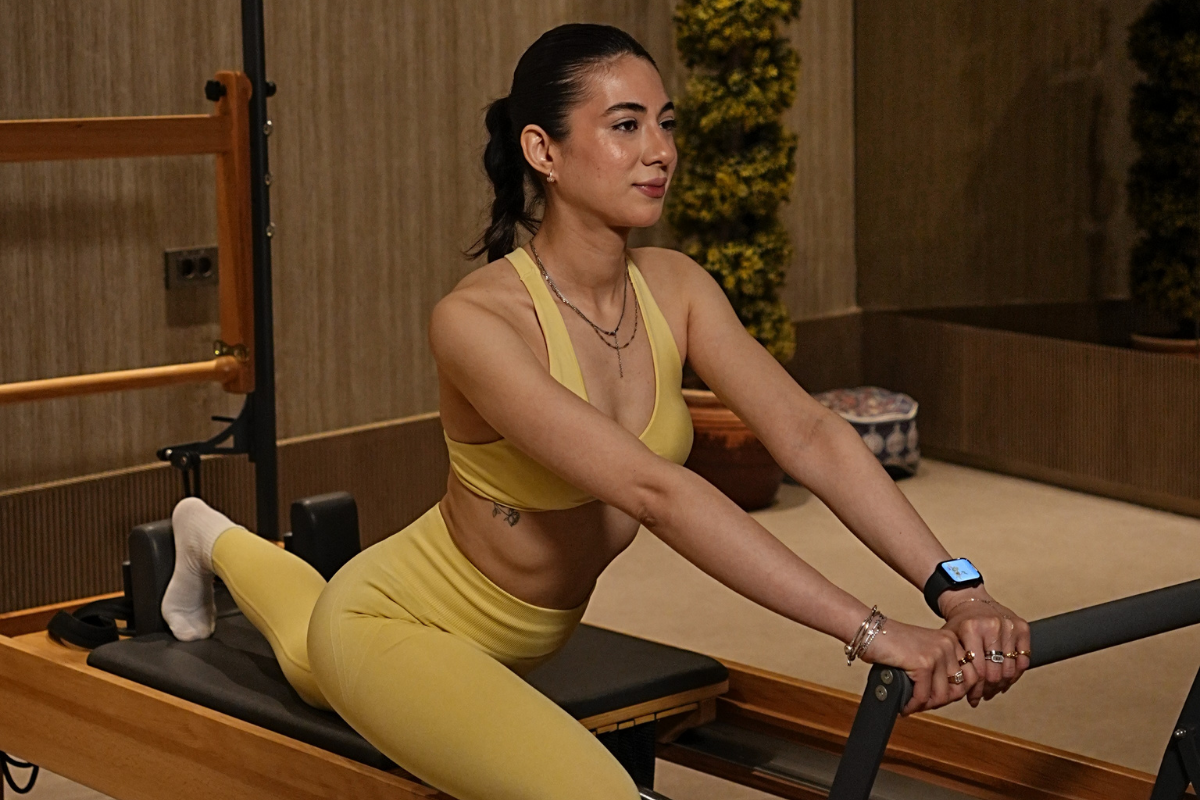
In recent years, a “Pilates” craze has swept across the globe, from our social media feeds to gyms. Amidst stylish leggings, aesthetically pleasing equipment, and flexibility shows, we can’t help but ask ourselves: Everyone’s doing Pilates, but how many are actually benefiting from it? The answer lies in those who go beyond a popular trend and focus on the essence of the discipline. Pilates isn’t just a way to “pass the time”; when practiced correctly, it’s a science that radically transforms the quality of life.
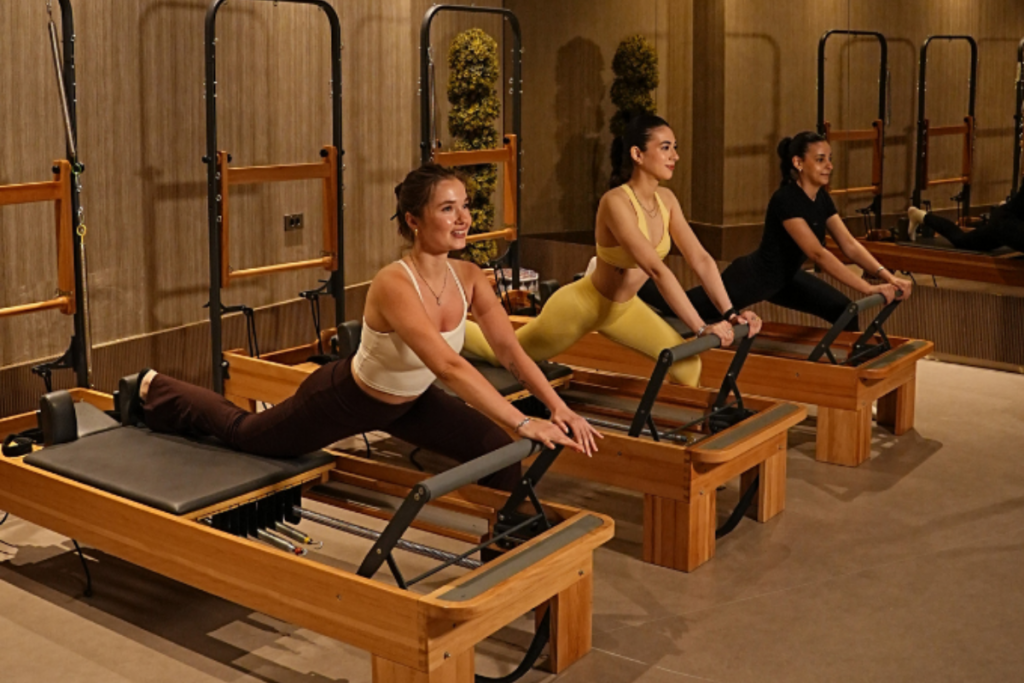
The effectiveness of Pilates depends on the individual’s expectations, the instructor’s expertise, and most importantly, its sustainability. Those who start it simply because it’s a fad often give up quickly, while those who view this discipline as a form of body building experience incredible transformations.
The Right Approach: Why Do Some People Achieve Results While Others Stagnate?
The first rule for Pilates to “work” is to choose a method that suits your body type and needs. For example, self-study at home by watching videos will only provide benefits to a certain extent. However, professional supervision is essential, especially when it comes to spinal health and deep abdominal muscles. Reformer Pilates , thanks to its spring resistance, allows you to achieve faster results than mat exercises by both stretching and strengthening the muscles.
The biggest mistake those who don’t see results make is simply imitating the movement. Pilates, however, is about mind and body coordination. For someone who doesn’t feel which muscle the movement is working, this workout remains just a stretching session. Those who truly achieve results are the ones who focus on their core, maintain breath control, and integrate discipline into their lives.
The Transformative Power of Professional Support
The most important factor in determining whether a sport works for you is personalization. Everyone’s body type, injury history, and flexibility level are different. If you have a postural problem, Posture Correction Sessions will be much more effective for you than a standard exercise program. An expert trainer will make the training “effective” by focusing on your specific problems, such as kyphosis (hunchback) or lordosis (lower back curve).
In addition, for those who don’t want to get lost in crowded classes and expect the instructor to constantly monitor their form, Individual Reformer Pilates is the gold standard. Here, the goal is not just to burn calories, but to reshape the body like a sculptor. This level of attention is the key element that breaks the perception that “everyone does it, but nobody gets results.”
Functional Diversity: Achieving Results Without Getting Bored
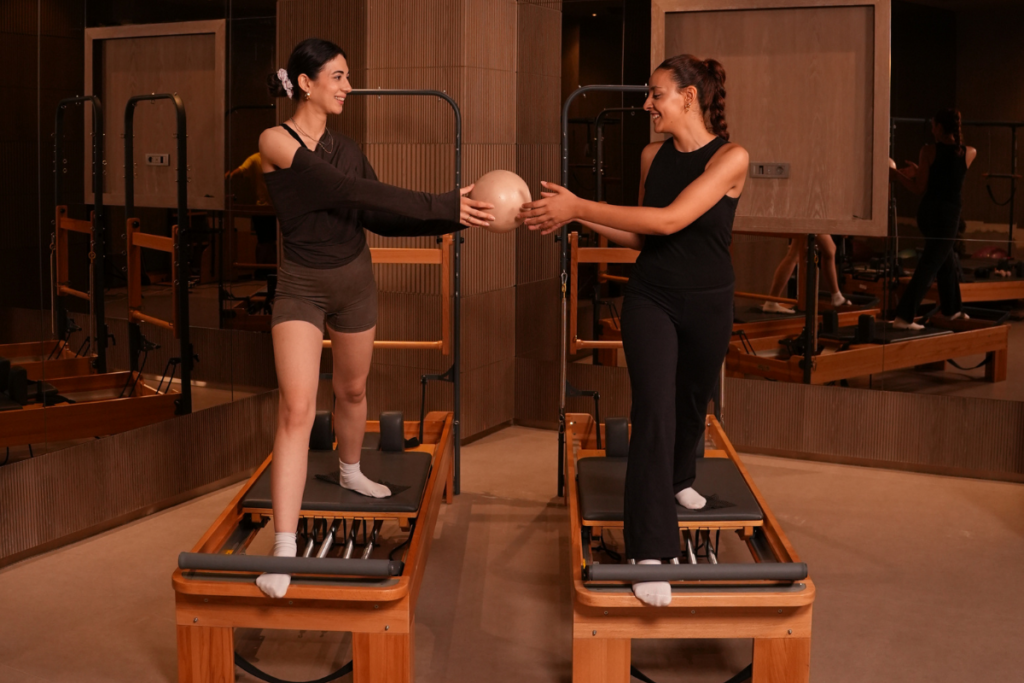
Another reason why Pilates might not be effective is monotony. The body adapts to the same movements after a while, and progress stops. To maintain continuous progress, variety in equipment is vital. For example, stepping outside of classic movements and using balance and strength-focused equipment like the Wunda Chair Pilates surprises the muscles, helping you overcome the plateau phase.
If you prefer to work out in a more social environment while maintaining high motivation, Group Reformer Pilates Sessions offer both fun and competitive gameplay. The high energy levels in these sessions increase retention, and retention is key to success.
Rehabilitation and Pilates: Movement for Health
Some users view Pilates not just for aesthetic reasons, but as a healing tool. Those who practice Clinical (Rehabilitation) Pilates in the post-operative period or for chronic pain are the ones who best know how “effective” this discipline is. This medically based approach opens the doors to a pain-free life.
On the other hand, for those who want a simpler, equipment-free start, Mat Pilates is a great way to learn the basics. These exercises, done using your own body weight, will increase your body awareness and prepare you for more advanced workouts.
In conclusion, Pilates is an ineffective activity when done merely for the sake of “doing” it. However, when combined with the right technique, an expert instructor, and the right equipment, not only you but everyone around you will notice the change in your body.
Frequently Asked Questions
1. How long after starting Pilates will I see results? In the words of Joseph Pilates: “You will feel the difference in 10 sessions, see the difference in 20 sessions, and have a brand new body in 30 sessions.”
2. Does Pilates help with weight loss? Pilates tightens muscles and speeds up metabolism. When combined with a proper diet, it can lead to a significant reduction in body measurements.
3. How many days a week should I do Pilates? For ideal results, regular participation 2 or 3 days a week is recommended.
4. Can men do Pilates? Absolutely. The founder of Pilates was a man, and it was initially designed for boxers and soldiers. It combines strength and flexibility.
5. Which is more effective, reformer pilates or mat pilates? Reformer pilates works the muscles more intensely thanks to spring resistance and can help you see results faster.
6. I have a herniated disc, can I do Pilates? Yes, but it must be done under the supervision of a qualified instructor and with clinically focused programs.
7. Does Pilates make you taller? It doesn’t lengthen your bones, but it improves posture and reduces pressure between the vertebrae, making you appear straighter and taller.
8. Is Pilates suitable for seniors? Yes, because it is a low-impact sport, it strengthens muscles without putting strain on the joints, making it very safe for seniors.
9. What should you wear while doing Pilates? Comfortable sportswear that accentuates your body shape, is flexible, and allows the instructor to see your posture should be preferred.
10. Can I get the same effect as a reformer by doing Pilates at home? Mat exercises are very beneficial, but it’s difficult to replicate the resistance and assistance offered by a reformer machine in a home environment.
11. Can Pilates be combined with other sports? Yes, it pairs particularly well with swimming or cardio exercises.
12. Is it safe to start Pilates during pregnancy? As long as you have your doctor’s approval, prenatal Pilates programs are very beneficial for both mother and baby.
13. Is Pilates suitable for people who lack flexibility? Absolutely. Pilates doesn’t require flexibility; its aim is to help you gain flexibility.
14. How long do Pilates sessions last? A standard session usually lasts between 50 and 60 minutes.
15. Can you get abdominal muscles just by doing Pilates? Pilates is one of the best sports for working the deep abdominal muscles (transversus abdominis); with regular training and a low body fat percentage, defined abdominal muscles are possible.