

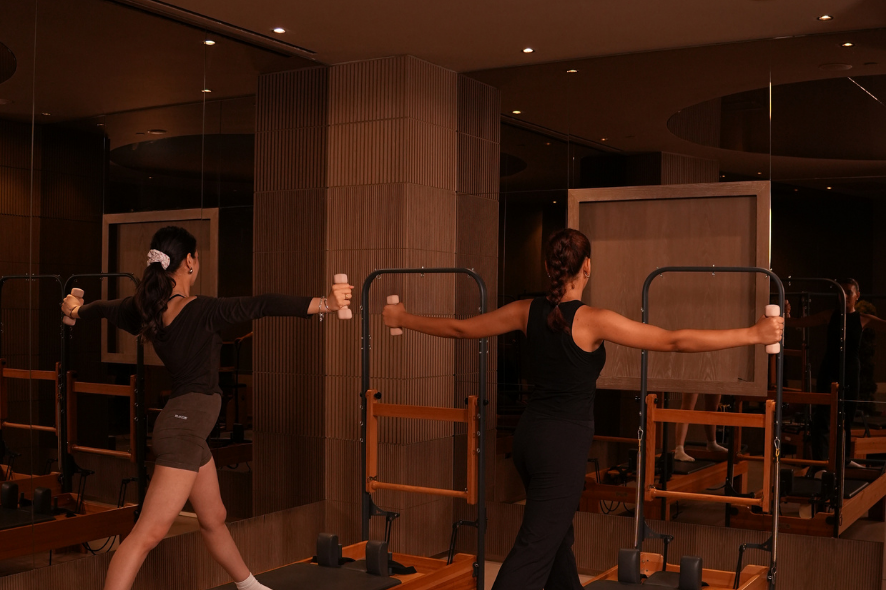
One of the first things many people notice when entering the world of fitness is that Pilates classes (especially reformer Pilates) have a higher price tag than standard gym memberships. It’s quite natural to think, “We’re just doing a few exercises, why is it so expensive?” However, when we examine the cost structure of Pilates, we see that behind this price lies not just an exercise, but engineering, expertise, and personalized health care.
1. High Equipment Costs and Technology
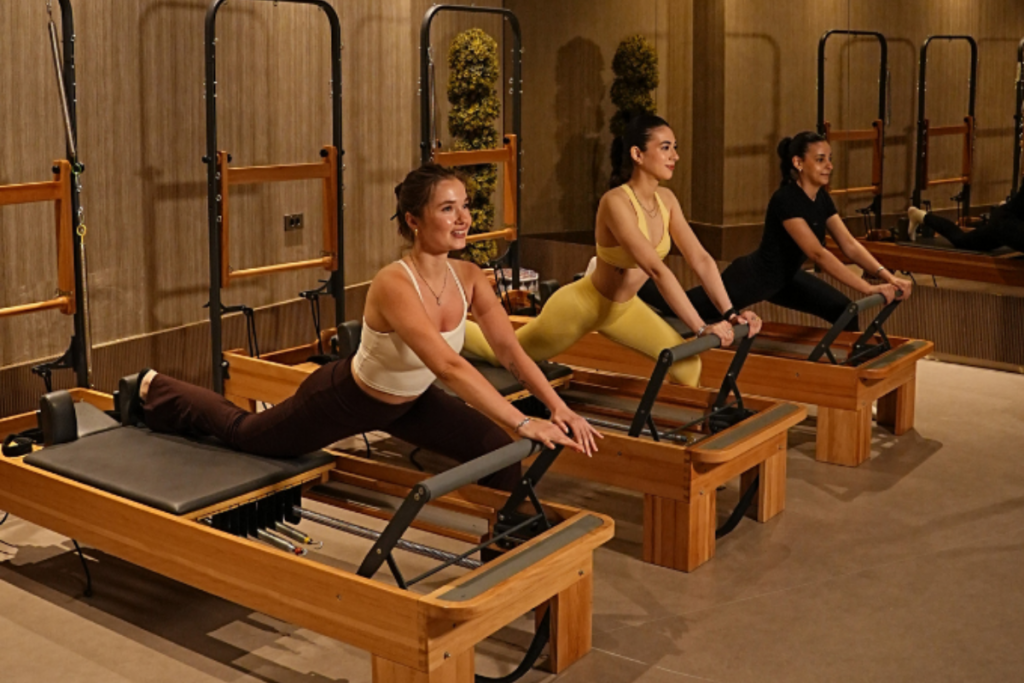
The most concrete reason for the perception that Pilates is “expensive” is the quality of the equipment used. A Reformer Pilates unit has a much more complex structure than an ordinary weight bench. These machines consist of precise spring systems, silently sliding rails, and ergonomic parts that perfectly adapt to the body’s anatomy.
Not only reformer units, but also assistive equipment like the Wunda Chair Pilates, have high production costs. These devices are designed to prioritize user safety. A quality studio invests in this high-cost equipment to provide its members with the safest and smoothest experience.
2. Specialization and Continuing Education Process
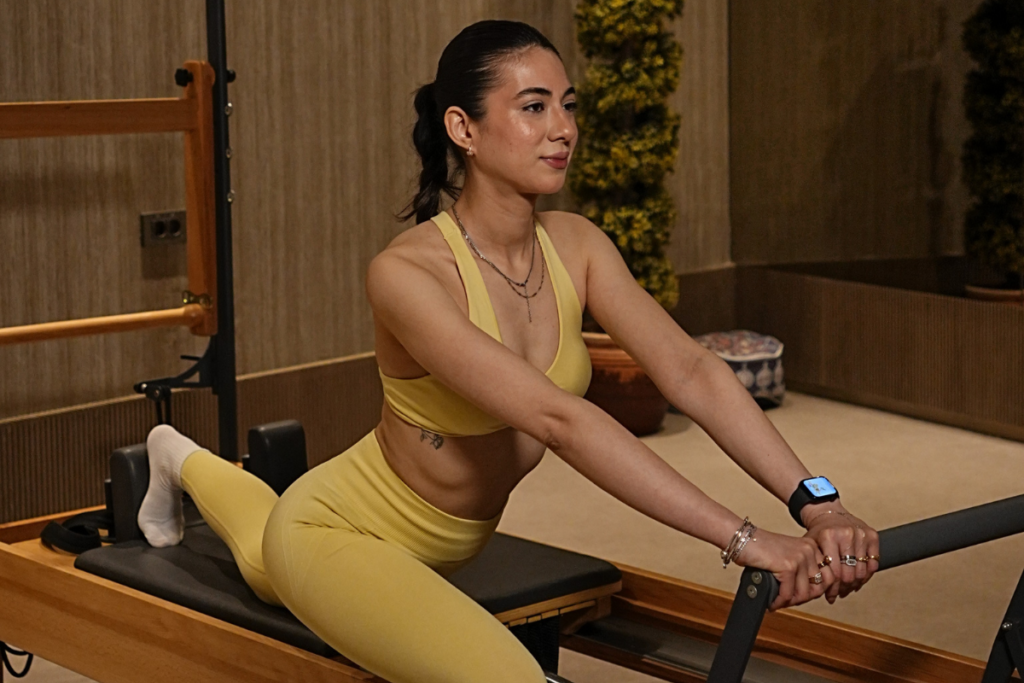
Becoming a Pilates instructor is much more than simply attending a few weeks’ course. A professional instructor must possess in-depth knowledge of anatomy, biomechanics, and pathology. Experts who teach Clinical (Rehabilitation) Pilates , in particular, undergo years of training to manage injuries and administer exercises under the guidance of a physician.
These certification programs and workshops that instructors attend to constantly update their skills represent a significant cost. When you attend a class, you’re not just buying those 50 minutes, but also the instructor’s years of knowledge and expertise, which will help you achieve results without causing harm.
3. Boutique Service and Low Capacity
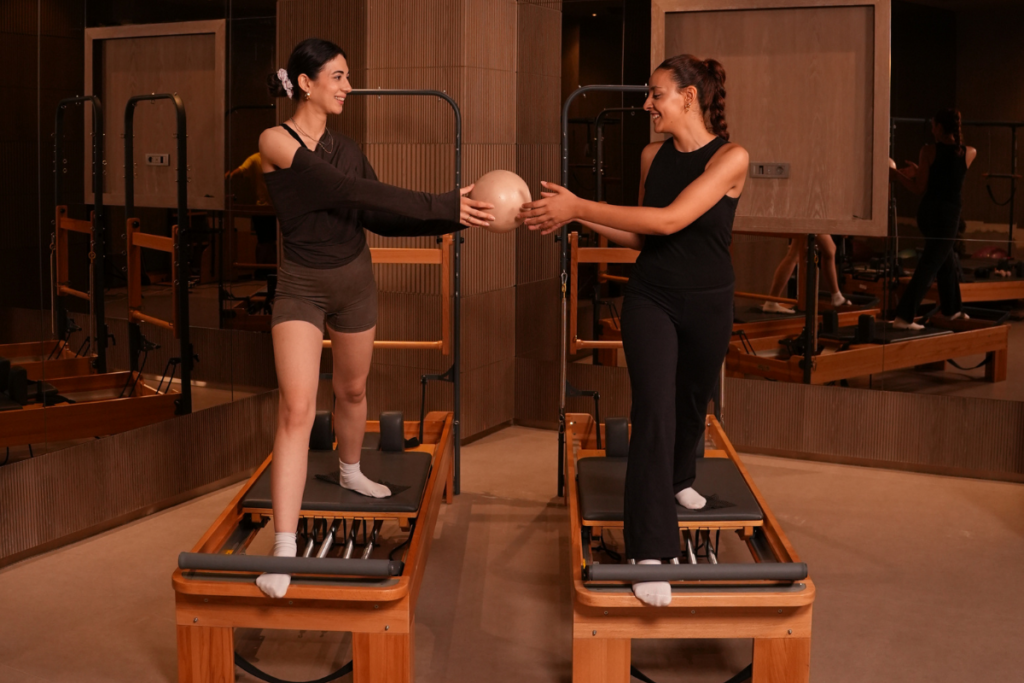
While standard gyms often have dozens of people training simultaneously, the situation is quite the opposite in Pilates studios. To maintain quality, Group Reformer Pilates sessions are generally limited to 4 to 6 people. This means the instructor can individually monitor each student’s breathing, spinal alignment, and foot position.
Individual Reformer Pilates sessions are preferred if you have a more specific goal or a particular health condition . In these sessions, all the studio facilities and the instructor’s full attention are dedicated solely to you. Although lower capacity creates higher unit costs for the business, it provides maximum efficiency and safety for the user.
4. Long-Term Healthcare Investment and Savings
When considering the price of Pilates, it’s important to view it not just as a “sport,” but as a “preventive health care service.” Postural problems caused by modern life can lead to serious lumbar and cervical disc herniations, resulting in expensive surgeries and physical therapy treatments.
Regular Posture Correction Sessions protect your spinal health and save you from future medical expenses. The price of Pilates actually holds the value of a pain-free life and healthy aging. Even Mat Pilates , which you can do at home on your own , when learned under the guidance of an expert, changes your body’s biomechanics and protects you from injuries.
5. Studio Environment and Hygiene Standards
Pilates studios are far removed from the noisy and crowded atmosphere of large fitness chains. Operational processes such as hygiene, ventilation, and disinfection of equipment after each member are part of a boutique service. This peaceful and controlled environment also offers a rehabilitation space for your mental health.
Conclusion: Is it worth it?
The price of Pilates isn’t determined solely by the springs and mats; it’s the expertise and personalized attention you receive, knowing exactly what resistance to apply. If your goal is simply to sweat, you can find many cheaper alternatives. However, if your aim is to rediscover your body, improve your spine, and gain lifelong physical awareness, you’ll quickly realize Pilates is worth every penny.
Frequently Asked Questions
1. Why is Pilates more expensive than regular gyms? Prices are higher due to lower capacity, high instructor expertise, and equipment costs amounting to thousands of dollars.
2. Would I get the same results if I did mat Pilates instead of reformer Pilates equipment? Mat Pilates is great, but reformer Pilates equipment, thanks to its resistance springs, shapes muscles faster and allows for more controlled movements.
3. How many days a week should I go? For effective results, regular attendance 2-3 days a week is recommended.
4. Why do Pilates prices vary from studio to studio? Equipment quality, instructor experience, studio location, and class size all directly affect the price.
5. Can I do Pilates while I have an injury? Yes, clinical Pilates sessions in particular are the safest method for post-injury rehabilitation.
6. Is reformer pilates an expensive hobby or a health investment? Professionals consider it a health investment because it protects spinal health and prevents future treatment costs.
7. Are group classes as effective as individual classes? Group classes are an economical and social option; however, if you have a very specific health condition, individual classes are more effective.
8. Do I need to bring any extra equipment to do Pilates? Studios usually provide all the equipment; you only need to bring comfortable clothes and Pilates socks.
9. Are the prices for Pilates different for children? They are generally similar, but programs can vary as they require more specific expertise tailored to children’s development.
10. When will I see the return on my investment in Pilates? You will start to see the results from the very first session, with a feeling of lightness and firmness in your body.
11. Is Pilates only for the wealthy? No, nowadays Pilates has become accessible with mat classes or mid-sized group sessions to suit every budget.
12. Which Pilates equipment is the most effective? Each piece of equipment has a different purpose; the reformer is ideal for the whole body, while the Wunda Chair is more specific for balance and strength.
13. Can I try to lower the price by watching videos at home? Basic movements can be attempted, but it’s more profitable to learn at least the fundamentals from an expert, as a wrong move could lead to injury.