


When we decide to take a step towards a healthy lifestyle, the biggest dilemma we face is often which exercise method will help us reach our goals faster. Questions like, “I want to lose weight, but which method makes the most sense?” or ” Is Pilates or walking + diet more effective? ” occupy the minds of everyone who desires change. In fact, these two methods are not competing methods, but rather complementary approaches that address different needs of the body.
To understand which method is more effective for you, we need to take a closer look at how each method transforms your body.
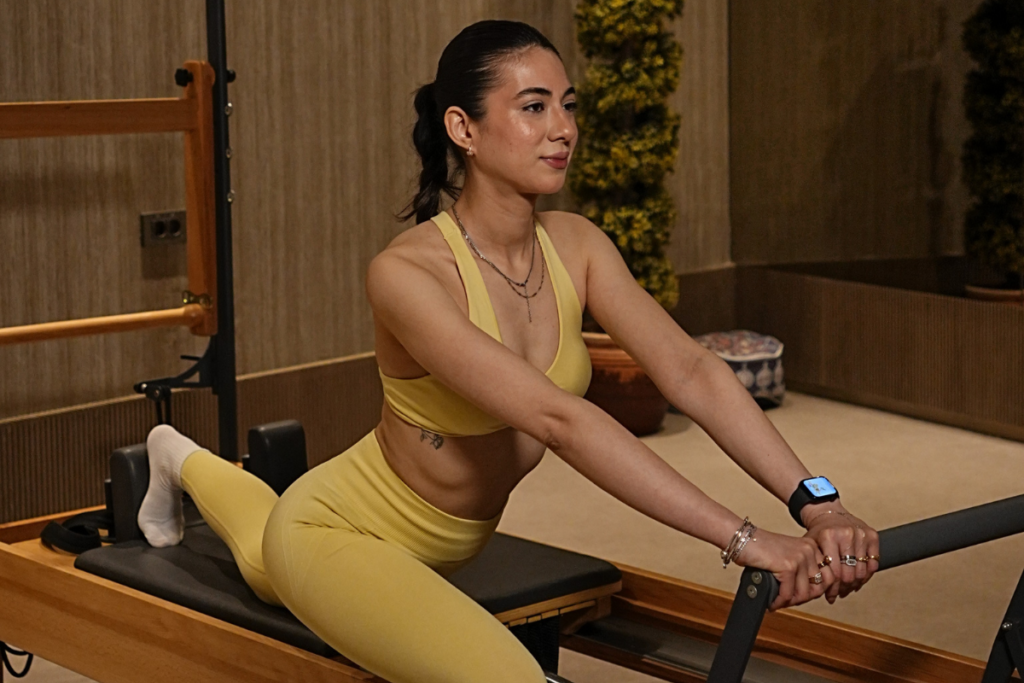
Walking and Diet: The Classic Duo for Burning Calories
The combination of walking and diet is considered a cornerstone of the weight loss process. Diet helps control the energy intake, while walking, as a low-intensity cardiovascular activity, helps burn those calories. However, this duo has one drawback: it doesn’t contribute to body shaping or muscle building.
When you lose weight solely through diet and walking, you may experience sagging skin or, even if the scale shows a decrease, you may not be satisfied with your reflection in the mirror. This is where Reformer Pilates , which works the body like a sculptor , comes in. While walking strengthens your heart, these resistance exercises lengthen and tighten your muscles.
The Difference of Pilates: Not Just Losing Weight, But Transforming
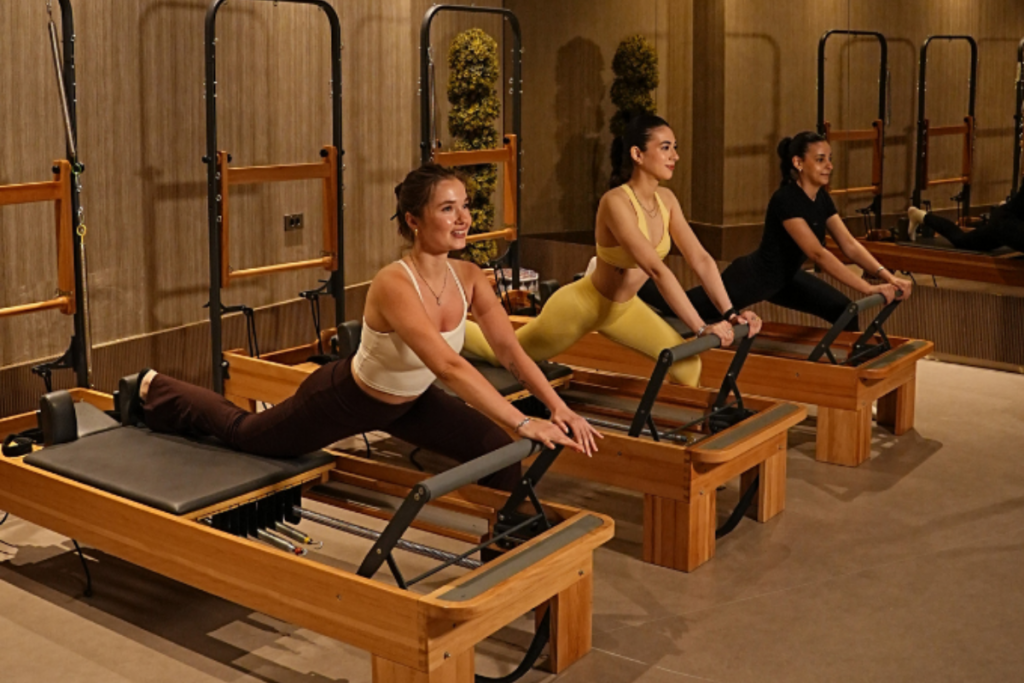
Pilates is more than just an exercise; it’s body engineering. While many people think Pilates only improves flexibility, it actually targets deep core muscles and alters body composition. If your goal is not just weight loss but also improved posture, Posture Correction Sessions will be far more effective than walking.
Especially if you work at a desk, while walking exercises your legs, it may not offer a lasting solution to your back and lower back pain. In this case, Clinical (Rehabilitation) Pilates can help you protect your spinal health while also gaining functional strength.
Comparison: Which is better in which situation?
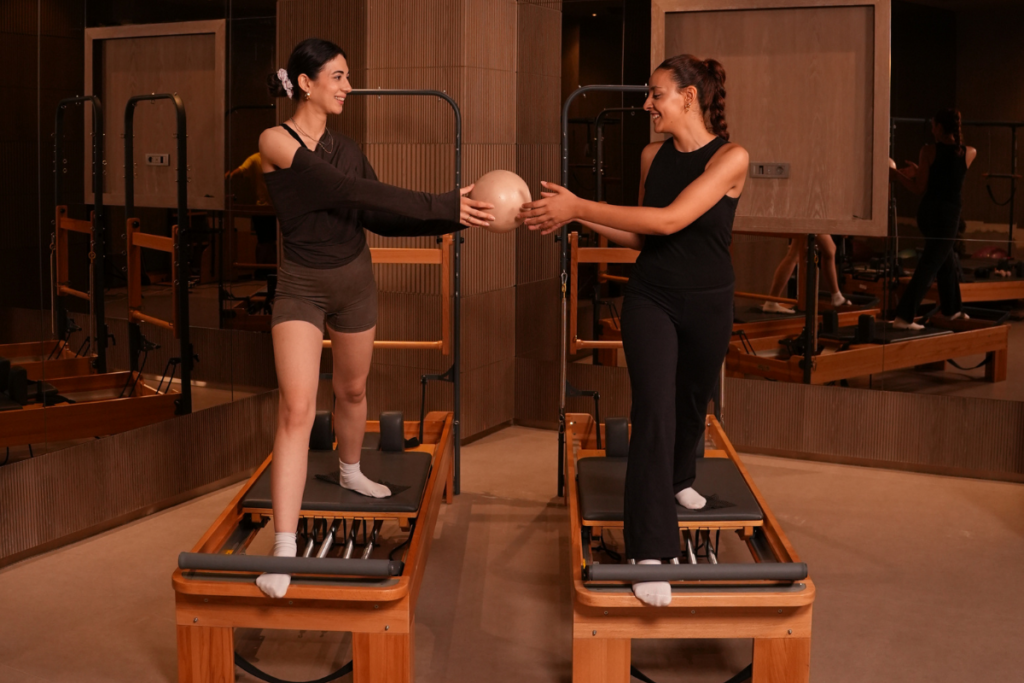
Which method is more effective actually depends on what you understand by the word “effective”:
- For fat burning: Diet and regular walking are very effective in creating a calorie deficit.
- For Toning and Shaping: Mat Pilates uses your own body weight to tone muscles and provide a slimmer appearance.
- For Fast and Lasting Results: If you have limited time and want maximum benefit from one-on-one attention , individual Reformer Pilates sessions create much faster visible changes than walking.
Sometimes getting bored with routines can halt progress. While walking always involves maintaining the same pace, in the world of Pilates, working with different equipment like the Wunda Chair Pilates can surprise the muscles and help you overcome plateau periods.
Social Motivation and Continuity
Maintaining your motivation while walking can sometimes be challenging. However, group activities like Group Reformer Pilates Sessions allow you to build a social circle and minimize the chance of making mistakes with an instructor. The energy of the group is that hidden force that draws you to the studio on those days when you’re thinking, “Should I skip today?”.
Conclusion: What is the Ideal Prescription?
The most professional answer to the question, “Pilates or walking + diet?”, is to integrate these elements into your life in a balanced way. Walking in the fresh air a few days a week clears your mind, while regular Pilates sessions build your body. Remember, diet helps you lose weight, but Pilates transforms you into “a new person.”
Frequently Asked Questions
1. Does Pilates help with weight loss? Yes, it increases your basal metabolic rate by building muscle mass, which means you burn more calories even while at rest.
2. Can you lose belly fat just by walking? Walking helps with general fat burning, but Pilates exercises are much more effective for specifically working the muscles in the abdominal area.
3. Is a certain level of fitness required to start Pilates? No, there is a program suitable for every level. You can initially join a class according to your level.
4. Is it right to do Pilates after walking? It’s a great combination. Stretching and strengthening muscles warmed up by walking with Pilates also reduces the risk of injury.
5. How many days a week should you have Pilates sessions? For noticeable changes, regular participation at least 2 or 3 days a week is recommended.
6. Is reformer pilates more effective than mat pilates? Thanks to the resistance springs, the reformer works the muscles more deeply and generally produces faster results.
7. Is it possible to lose weight by doing Pilates alone without dieting? If you don’t pay attention to your diet, the number on the scale may not change, but you will notice a significant tightening and slimming effect on your body.
8. Should someone with a herniated disc walk or do Pilates? Both are beneficial, but clinical Pilates, performed under the guidance of a qualified instructor, is a more professional solution for reducing pressure on the herniated area.
9. How long does it take for Pilates to shape the body? With a regular program, you will begin to feel the change in your posture and body shape after 10-15 sessions.
10. Does walking thicken legs? No, walking makes leg muscles stronger, but Pilates supports a lean and long muscle structure that visually lengthens the legs.
11. Should I buy a treadmill for home use or go to Pilates? If you have motivation issues, doing Pilates in a studio environment will be much more sustainable than walking alone at home.
12. Does Pilates really correct posture problems? Yes, spinal alignment is fundamental to Pilates. Significant progress can be made with professional support in conditions like scoliosis and kyphosis.
13. Which method is safer for the elderly? Both are low-impact. However, because Pilates improves balance, it is more effective than walking in reducing the risk of falls in the elderly.
14. Does Pilates cause a muscular and bulky appearance? On the contrary, Pilates develops muscles lengthwise, not widthwise, which creates a slimmer and more elegant silhouette.
15. Which method yields faster results? Pilates is better for body shaping and posture improvement, while diet-assisted walking can lead to faster overall weight loss. The best approach is to combine both.