

Many people ask themselves this question as the holiday season approaches or when deciding to take a step towards a healthier lifestyle: Is it possible to learn to swim without taking swimming lessons? Technically, you can try to stay afloat and move forward in shallow water on your own. However, “hearsay” techniques learned without professional training can both endanger your safety and lead to the development of bad habits.
In this article, we will detail the challenges of trying to learn to swim on your own, the difference professional training makes, and how you can become comfortable in the water with the right techniques.
Is it possible to learn to swim on your own?
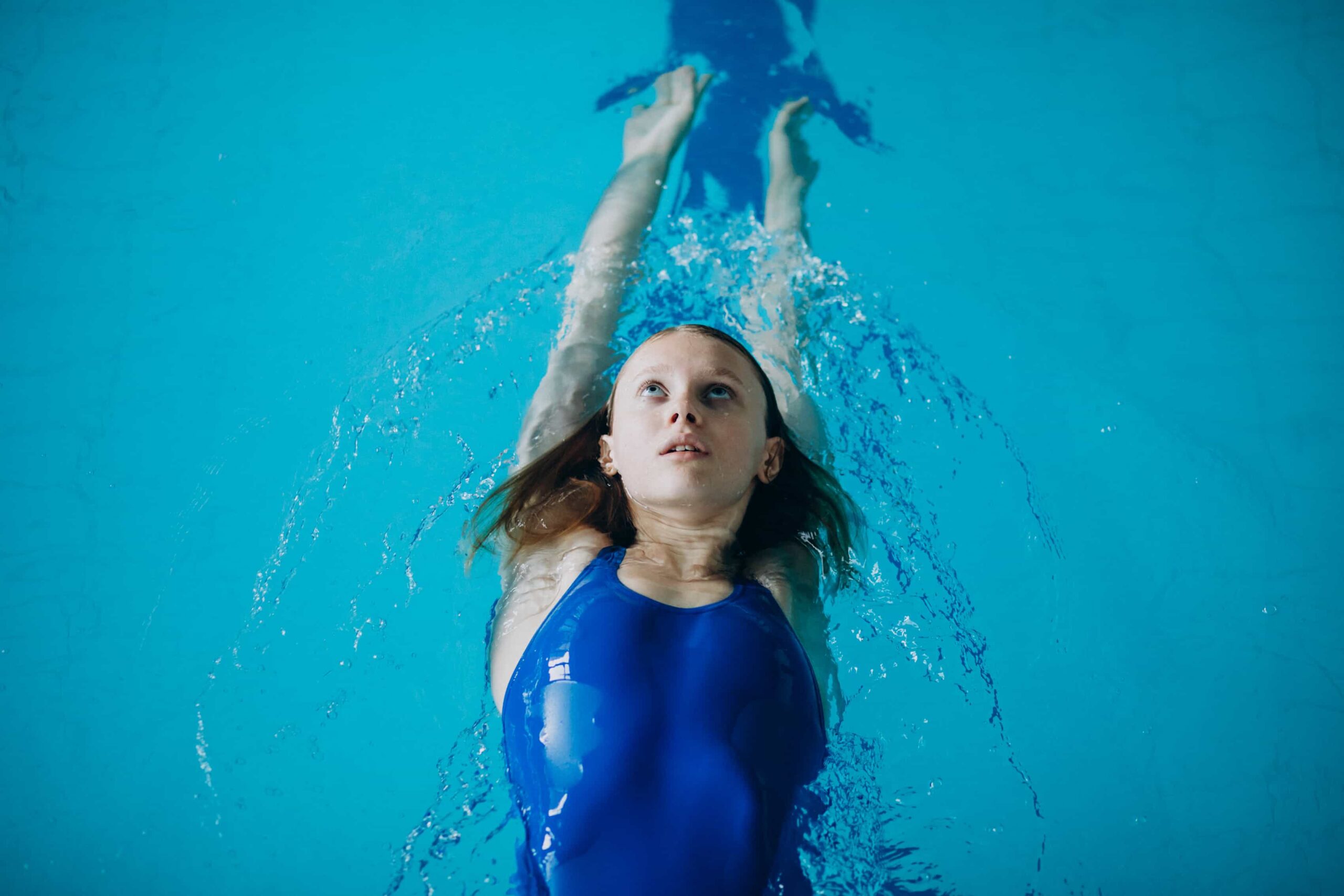
You can learn to stay afloat by watching videos online or with the help of a friend. However, swimming isn’t just about moving your arms and legs. The most critical elements in the water are proper breathing coordination and body position.
The most common problems you encounter when trying to learn on your own are:
- Incorrect Breathing Techniques: Irregular breathing in an attempt to stay afloat can cause you to tire quickly and panic.
- Technical Errors: Strokes taken at the wrong angle can lead to shoulder and neck pain later on.
- Safety Risk: Losing depth perception or not knowing what to do in case of sudden cramps without a professional present poses a life-threatening risk.
If you want to improve in a safe environment under professional supervision, Adult Swimming programs are designed to teach you the right techniques as quickly as possible.
Disciplines and Styles Acquired Through Professional Training

Learning to swim through a course offers you not only the basic skills but also the chance to specialize in different styles. While you might only be able to swim “well enough to survive” on your own, a course allows you to master the following styles:
1. Basic and Advanced Styles
Most people start swimming with Freestyle , the most common method . This style is fundamental for speed and endurance. However, for those who want to protect their back health and enjoy the water from a different perspective, Backstroke training is also indispensable.
Those seeking a more rhythmic and technical approach opt for Breaststroke lessons, while aspiring athletes who want to maximize their performance focus on the most challenging style: Butterfly . Mixed swimming training, which incorporates a combination of all these techniques , works every muscle group in the body simultaneously, resulting in excellent form.
For Parents: Can Children Learn on Their Own?
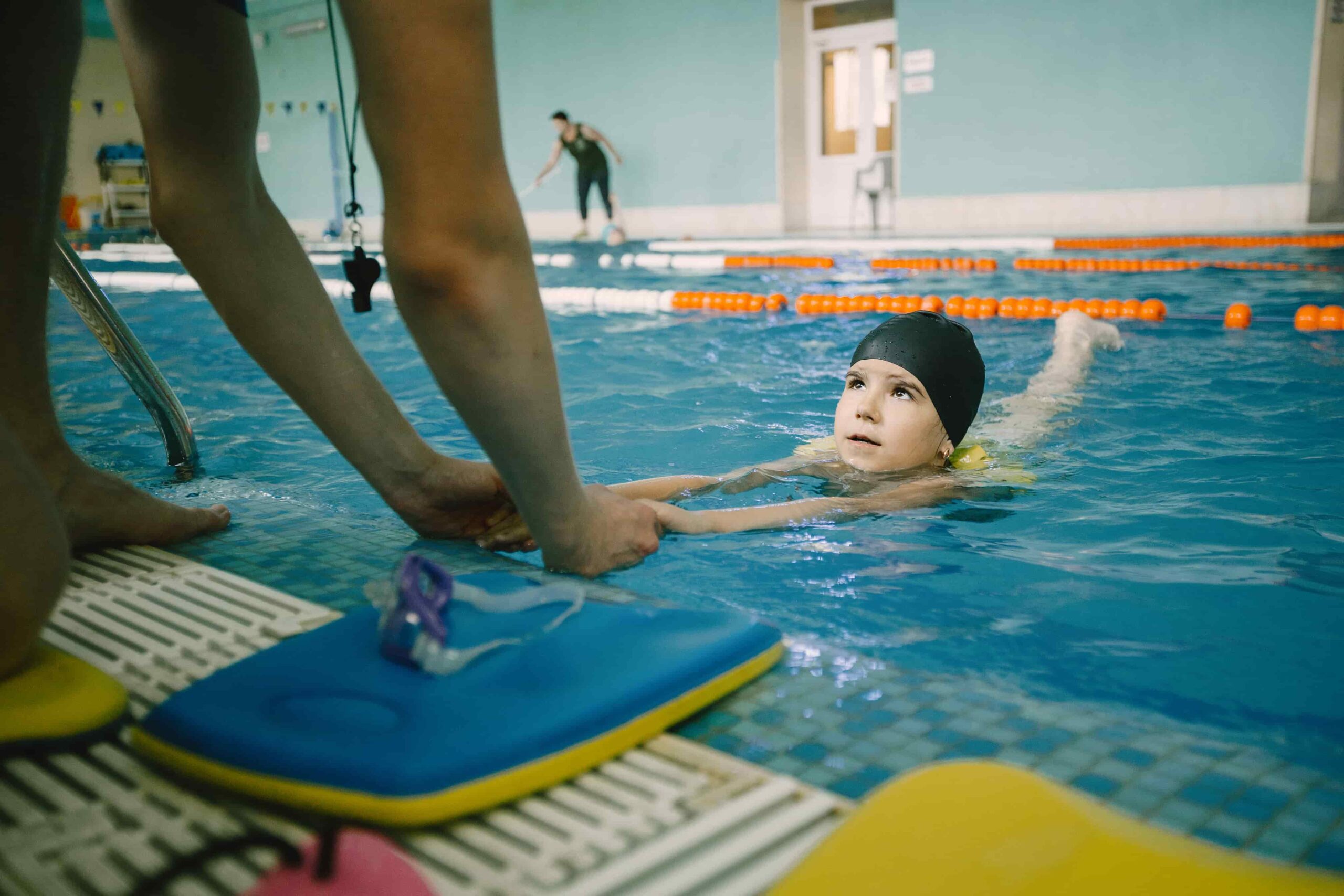
Adults can, to some extent, assess their own limits, but the situation is completely different when it comes to children. Just because a child loves the water doesn’t mean they swim safely. Professional children’s swimming lessons ensure that a child learns not only technique but also how to manage crisis situations in the water. Trying to teach your child on your own can unknowingly lead to a fear of water or slow down their development due to incorrect technique.
What are the advantages of a swimming course?
- Rapid Progress: Expert trainers correct your mistakes instantly, allowing you to complete a process that would take months in just weeks.
- Self-confidence: When you learn breath control underwater, you begin to move with the water instead of struggling against it.
- Social Environment: Learning with people of similar skill levels in group classes increases your motivation.
- Equipment Support: The correct use of auxiliary equipment such as pool noodles, boards, and fins helps build muscle memory.
In conclusion, yes, you can make some progress on your own, but if you want to become a true swimmer, protect your health, and pursue a safe hobby, professional guidance is always the best approach.
Frequently Asked Questions (FAQ)
- How long will it take me to learn to swim without taking lessons? While the time it takes to learn on your own varies from person to person, a process fraught with technical errors can take months.
- What is the biggest risk when learning to swim on my own? The biggest risk is the danger of drowning due to panic attacks and incorrect breathing techniques.
- Can you learn to swim from YouTube videos? Videos provide theoretical information, but they can’t tell you how it feels underwater or what mistakes to correct.
- How many lessons does it take for adults to learn to swim? With a professional course, you can learn to swim at a basic level in an average of 8-12 lessons.
- Can someone with a fear of water learn to swim on their own? No, a fear of water must be overcome with professional psychological and technical support from an expert instructor.
- Is it easier to learn in a pool or in the sea? Learning in a pool is much safer and easier because it’s more static.
- Do swimming fins speed up learning? Yes, fins strengthen leg kicks and help you stay afloat.
- How long should I hold my breath underwater? In swimming, you don’t hold your breath; you exhale rhythmically into the water and inhale.
- Can someone who can’t swim take lessons in a deep pool? No, lessons always start in shallow areas where your feet can touch the bottom.
- Can my child learn to swim with a swimming ring? A swimming ring is just a toy; proper equipment like a pool board is needed for learning the technique.
- Which swimming style is the easiest? Backstroke is usually easier for beginners because it keeps the face out of the water.
- Is it possible to take swimming lessons in winter? Yes, you can take lessons year-round in heated indoor pools.
- Is there an age limit for learning to swim? No, swimming is one of the rare sports that can be learned at any age.
- Does swimming help with weight loss? Yes, thanks to the resistance of the water, you burn significantly more calories than you would with land-based sports.
- What equipment should I bring? A swimming cap, goggles, and swimsuit are enough for beginners.
- Which is better, private lessons or group lessons? Private lessons are recommended for faster results, while group lessons are better for motivation and socialization.
- I know how to swim, but I get tired quickly, why? The main reason is incorrect breathing technique and lack of coordination.
- When can you swim without a lifebuoy and armbands? These are discontinued once you’ve mastered the skills of staying afloat and kicking your feet.
- Will my short height prevent me from learning to swim? No, height is not directly related to swimming ability.
- What should you wear to swimming lessons? Professional swimsuits that reduce friction and don’t retain water should be preferred.
- Should I use earplugs? You can use them if you have ear sensitivity or to protect against the risk of infection.
- How many days a week should swimming lessons be? At least two days a week is ideal for building muscle memory.
- Is it easier due to buoyancy in seawater? Saltwater provides more buoyancy, but waves can make learning difficult.
- Is taking a swimming course mandatory? It’s not mandatory, but it’s the most sensible way to ensure your safety and learn the correct technique.
- Can incorrect swimming techniques lead to injury? They can cause chronic pain, particularly in the neck and shoulders.
- Can someone who can’t swim learn with a life jacket on? Life jackets restrict movement, so they’re not often preferred in training.
- Can pregnant women participate in swimming classes? With doctor’s approval, it is one of the best exercises that can be done during pregnancy.
- Can people with asthma swim? Yes, swimming is often recommended because it increases lung capacity.
- When does a swimming course end? The process of learning to swim never ends; it continues in a performance-oriented way as styles develop.
- What do Plts Club trainings include? They offer a wide range of professional training, from basic exercises to advanced techniques.