

In the hustle and bustle of life, the quality of time we dedicate to ourselves or our children directly affects our quality of life. One of the most fundamental questions on the minds of those who want to exercise, especially those who want to benefit from the uniquely relaxing power of water, is: “How many days a week should swimming lessons be?” The answer to this question actually depends on what you expect from swimming, your goals, and your current fitness level. From a professional perspective, let’s examine in detail how a weekly schedule should be structured for sustainable development.
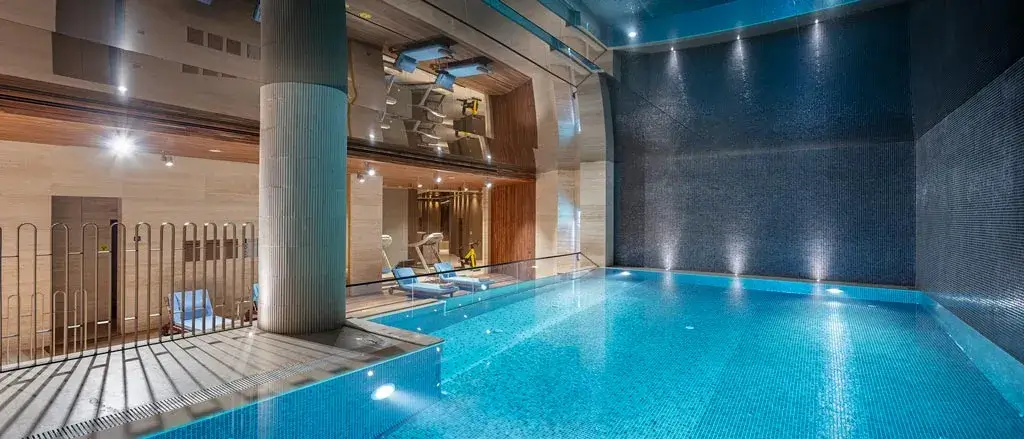
Swimming is a sport where muscle memory is crucial. Therefore, the frequency of lessons depends not only on physical fatigue but also on the time it takes for techniques to sink into the mind and body. Generally speaking, the most effective schedule for beginners and intermediate swimmers is considered to be 2 or 3 days a week.
Weekly Class Frequency Based on Your Goals
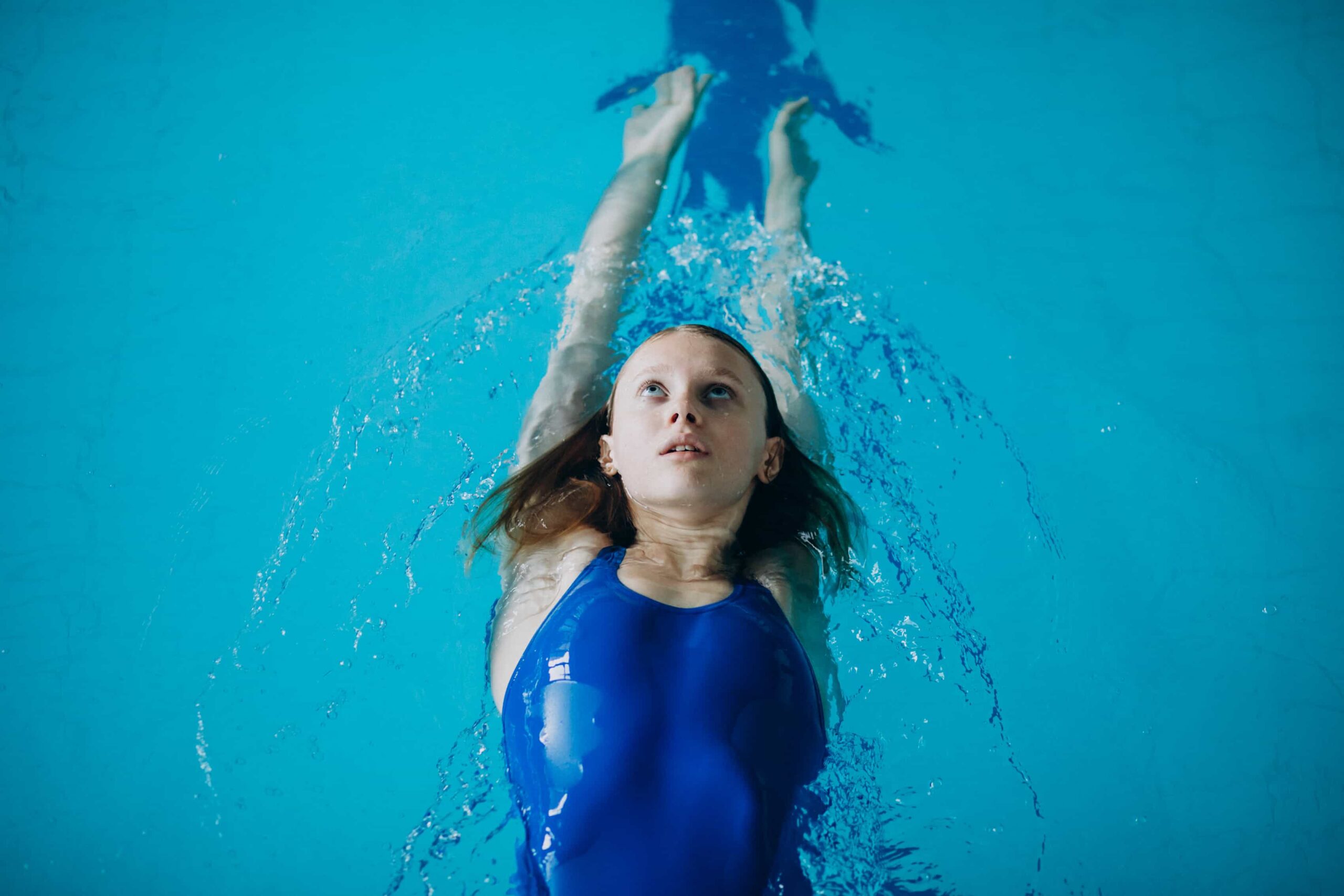
When you start swimming lessons, your goals determine the number of days you’ll spend in the pool. Each goal requires different discipline and consistency.
- For Beginners: If you’re new to water or in the process of learning basic skills, 2 days a week is an ideal starting point. This frequency allows your body to adjust to the resistance of the water and gives your muscles a rest until the next session.
- For those who want to improve their style: If you have progressed beyond the basic level and now want to specialize in Freestyle Swimming or the more technical discipline of Backstroke , training 3 days a week will noticeably accelerate your progress.
- Performance and Conditioning Focused: If you’ve reached the level where you can do all-around Mixed Swimming training, a program of 4 or more days a week will take your endurance to the next level.
Program Planning by Age Groups

In swimming lessons, age is a critical factor in determining how many days the lessons will be held. Adults’ work schedules and children’s school lives are central to this planning.
Time management is very important for adults. For those who want to make time for themselves amidst busy work lives, Adult Swimming programs are usually concentrated in the evenings or on weekends. Regular participation 2 days a week yields excellent results in terms of both learning techniques and relieving stress.
For parents, the situation is slightly different. Children’s swimming lessons , designed to channel children’s energy and teach them fundamental life skills, are typically scheduled twice a week. This ensures that children’s academic performance at school remains unaffected while their physical development is supported.
Why is one day a week not enough?
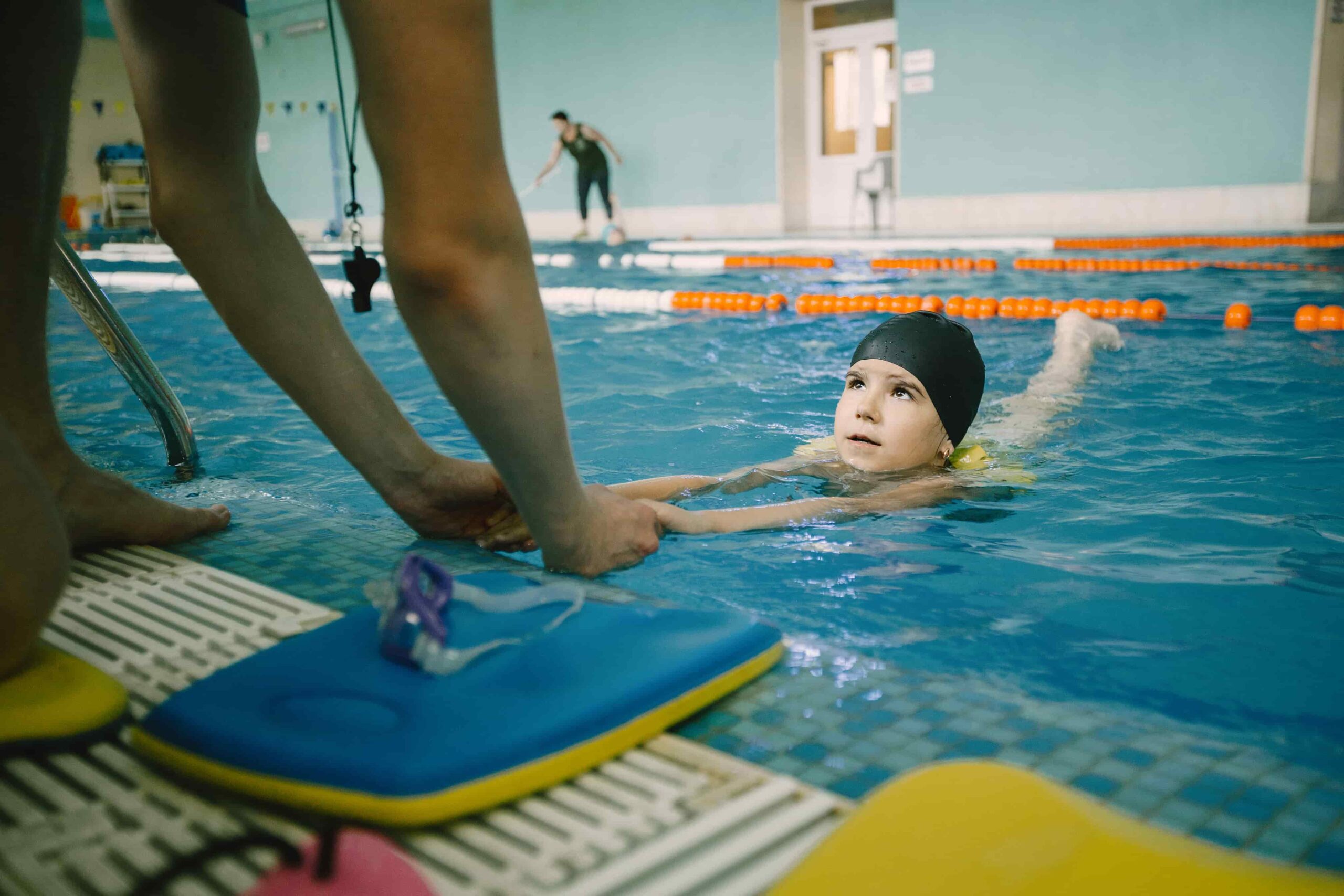
Sometimes, due to busy schedules, we think we can only dedicate one day a week to swimming. However , swimming requires intense coordination and muscle memory. With only one day of lessons per week, there’s a high risk of forgetting the techniques learned the previous week. Half the lesson is over before the body even remembers the water and the technical movements. Therefore, if you want to learn quickly and without difficulty, it’s recommended to stick to a minimum of two days a week.
As technical progress is made, trainees move on to more challenging styles. For example, Butterfly Swimming , which requires significant strength and coordination , can be quite tiring for the body without regular training. Similarly, in Breaststroke Swimming , where leg and arm coordination is at its peak , consistency ensures that the movements become fluid.
In conclusion, the most professional answer to the question of how many days a week swimming lessons should be is “2-3 days a week,” an option that fits your lifestyle but doesn’t keep you out of the water for too long. Regular participation will not only teach you to swim but also help you make this sport a way of life.
Frequently Asked Questions
- What is the minimum number of swimming lessons per week? For effective development, at least two days a week is recommended.
- Is attending the course only on weekends enough? For beginners, yes, but because there are long gaps between days, progress might be slower.
- Is swimming 5 days a week harmful? Unless you’re a professional athlete, you should take at least 1-2 days off per week to allow your muscles to rest.
- What happens if I miss class due to illness? You can prevent a decline in your muscle memory by inquiring about the possibility of make-up classes.
- How long do lessons last? Standard swimming lessons usually last between 45 and 60 minutes.
- How many days a week should adults swim? For fitness and health, 2-3 days a week is ideal.
- What is the ideal number of days for children? To avoid disrupting their school schedule, two days a week is the most preferred.
- Does swimming three times a week help with weight loss? Yes, when combined with a balanced diet, swimming three times a week significantly increases calorie burning.
- How many days a week do I need to go to learn the style? Going 3 times a week will speed up the process of mastering the techniques.
- How many days a week should those who are afraid of water come? To overcome fear of water, initially 2 days a week will speed up adaptation.
- Are there swimming lessons every day at the course? Some intensive summer camps may have lessons every day, but the general program is weekly.
- Are the class days fixed or do they change? Generally, a schedule is created where the days you choose during registration remain fixed.
- Is it possible to learn swimming style by swimming only once a week? It’s possible, but the learning process will be much longer compared to someone who swims twice a week.
- Is muscle soreness after swimming normal? It’s normal, especially in the first few weeks and as training frequency increases; that’s why rest days are important.
- How much time should there be between classes? Generally, taking a day off between classes (e.g., Monday-Wednesday) is good for the body to recover.
- Which days are more advantageous to choose? You can choose weekday evenings or weekend mornings depending on your biological clock and energy levels.
- Should I exercise at home on days I don’t go to swimming lessons? Flexibility and core exercises will improve your swimming performance.
- Can I change my schedule later? Date changes are usually possible depending on the club’s capacity.
- Should classes be suspended during menstruation? This is entirely a personal choice; classes can continue with appropriate hygienic precautions.
- Does the number of class days affect the price? Yes, generally, as the number of weekly class hours increases, the course fee is updated accordingly.
- Will there be a reduction in class days during the winter? No, the program continues at the same standard in the indoor heated pools.
- If I swim 4 days a week, when will I become a professional? Depending on your technical ability, you can become an advanced swimmer in 6 months to 1 year.
- Are evening or morning classes more effective? It depends on your energy level; morning classes help you start the day feeling refreshed.
- How long does a swimming course last? Basic training is usually in 3-month periods, but progress is continuous.
- Can I use the pool outside of class days? Some clubs may offer free swimming hours for their students; you should definitely ask about this.
Would you like to have a meeting with our expert trainers to create your weekly schedule and determine the days that work best for you?