

When it comes to starting a new hobby or acquiring a vital skill, many questions can arise in our minds. At the forefront of these questions is one that often seems ironic, but is quite common: “Do you need to know how to swim to take swimming lessons?” Let’s give a clear answer from the start: Absolutely not. On the contrary, the fundamental purpose of a swimming course is to teach this skill to those who have never done so before and to break down their fear barriers to water.
Swimming is a unique sport that can be enjoyed by individuals of all ages, where body weight is lightened by the buoyancy of water, reducing the load on joints. All you need to receive professional swimming training is a desire to learn and the right guidance.
Training Process for Beginners
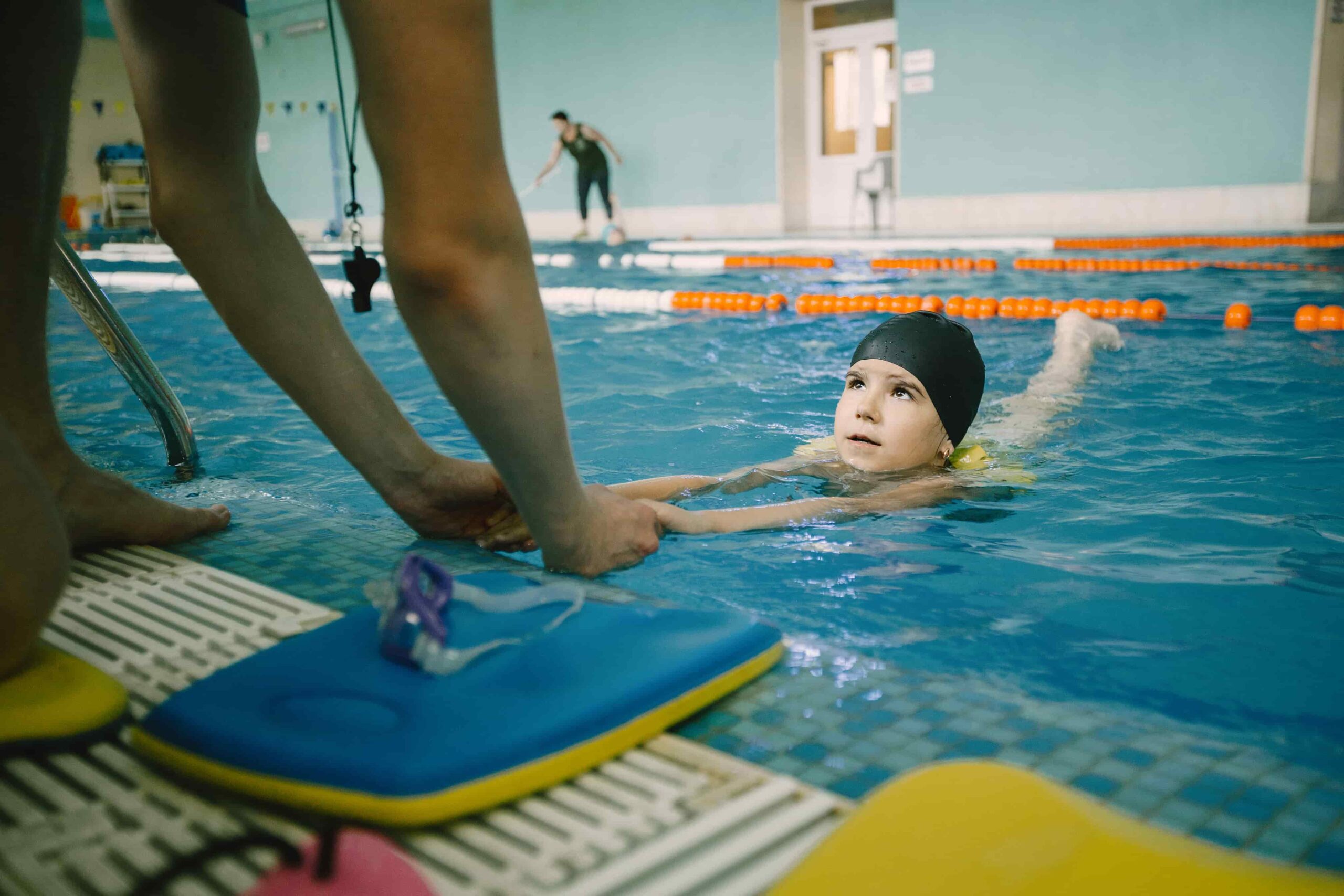
When you enroll in a course, instructors will place you in an appropriate group regardless of your level. If you’ve never been in the water before, or if you panic when the water gets deep, your training will begin with the “adaptation to water” phase. During this phase, you’ll practice breathing exercises and feeling the buoyancy of the water in the shallow parts of the pool, in safe areas where your feet can touch the bottom.
For many , starting adult swimming lessons means overcoming a childhood fear. Professional instructors understand these hesitations and manage the process by providing psychological support. Thanks to this step-by-step methodology, seeing yourself able to stay afloat unaided after just a few lessons will be a great source of motivation.
First Steps for Children and Young People

Parents’ biggest concern is their children’s lack of confidence in water. However, this is where Children’s Swimming Lessons programs come in. Children aren’t expected to know how to swim; on the contrary, they are taught that water is a safe playground through professional equipment and games. This early training not only supports physical development but also reinforces discipline and self-confidence.
Progression Level by Level: The Power of Techniques
Starting your journey with “I know nothing,” once you’ve acquired the basic skills, it’s time to explore different swimming styles. The first stage usually involves teaching Freestyle Swimming, the most common and fastest technique . As you learn proper breathing and efficient strokes in this style, your connection with the water strengthens.
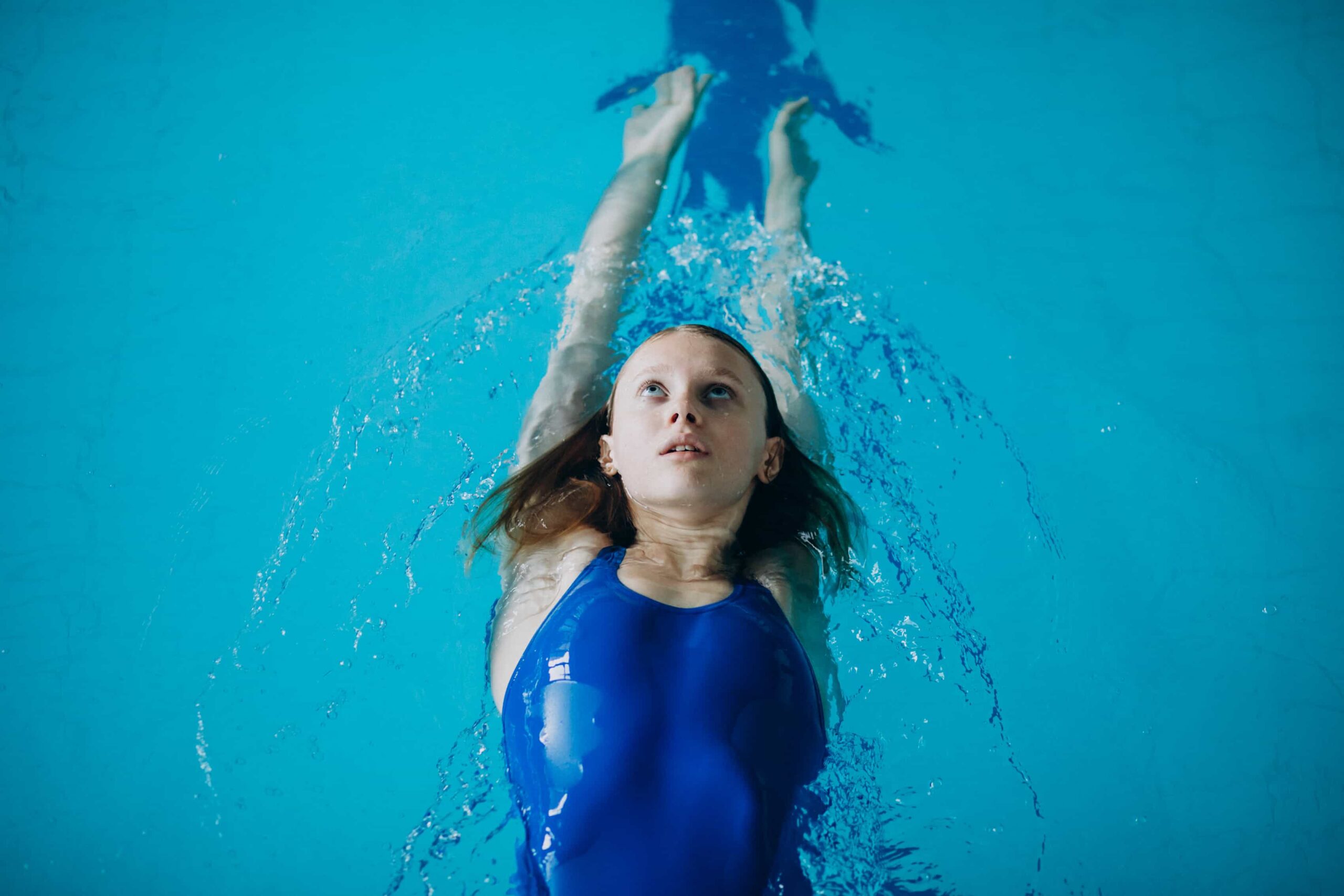
Next, you progress to Backstroke, a technique that allows you to rest and move forward while lying on your back on the water’s surface . By this stage, the question of “do I need to know how to swim?” is over, and “how can I improve my technique?” takes precedence. Breaststroke , which requires a more technical approach , takes your coordination skills to the next level.
Why Should You Take a Course?
The advantages of choosing a professional course instead of trying to learn on your own are countless:
- Safety: Being under the supervision of a lifeguard and instructor reduces potential risks to zero.
- Avoiding Bad Habits: A technique you learn incorrectly on your own can lead to joint pain or fatigue later in life.
- Rapid Progress: Training programs designed by experts accelerate your progress.
- Advanced Goals: After mastering the basic styles, you’ll have the chance to learn challenging techniques like Butterfly Swimming , which requires both aesthetics and power. You can even gain complete athletic discipline through Mixed Swimming training, which blends all the techniques.
You don’t need to be a professional to start swimming lessons, but you should start if you want to become a professional swimmer or just enjoy the water safely. Don’t let fear of water or lack of knowledge stop you from this amazing sport.
Frequently Asked Questions
- Can someone who doesn’t know how to swim at all join the course? Yes, the beginner level courses are designed entirely for complete novices.
- I have a fear of water, what should I do? Instructors will analyze the reasons for your fear and implement adaptation exercises tailored to you.
- Do beginners use deep pools? No, the first lessons are usually in shallow pools where the water level doesn’t reach your height.
- Is there an age limit for learning to swim? No, anyone from 6-month-old babies to 70-year-old adults can learn.
- How long does it take me to stay afloat? While it varies from person to person, basic balance is generally achieved within 4-6 lessons.
- Can I learn to swim on my own without taking a swimming course? It’s possible, but expert guidance is crucial to avoid adopting incorrect techniques.
- I’m embarrassed that I don’t know how to swim, what should I do? Remember that everyone in the course is there to learn. The adult groups consist entirely of people in the same situation as you.
- What equipment do I need to bring? A swimming cap, goggles, flip-flops, and a swimsuit are sufficient.
- Do I need to wear goggles? They’re very helpful for protecting your eyes from chlorine and seeing clearly underwater.
- Why is wearing a swimming cap mandatory? It’s a standard rule for pool hygiene and to prevent your hair from covering your face.
- How many days a week should I come? For ideal progress, at least 2 days a week is recommended.
- Which is better, private or group lessons? Private lessons are better for achieving quick results and overcoming hesitancy, while group lessons are better for motivation.
- Does learning to swim help with weight loss? Yes, thanks to the resistance of the water, you burn more calories than you would during land-based exercise.
- I can’t hold my breath underwater, will that be a problem? This is one of the first basic skills taught in the course. You’ll get used to it over time.
- Which swimming style is easier? Generally, freestyle and backstroke styles are easier for beginners.
- Do the courses continue in winter? Yes, training is provided year-round in indoor, heated pools.
- What should I eat before swimming lessons? A light, energy-boosting meal should be consumed 1.5 hours before the lesson.
- I have a hernia, can I swim? It’s generally recommended, but you should definitely consult your doctor before starting classes.
- How long does the course last? The basic level typically covers programs lasting 1-3 months.
- Is being athletic a requirement to know how to swim? No, individuals of all body types can swim with the right technique.
- What is the pool water temperature? Training pools are typically around 27-29 degrees Celsius for your comfort.
- My child is afraid of water, should I force them? Instead of forcing them, you should let expert instructors make them enjoy it through games.
- Do you receive a certificate at the end of the swimming course? Many schools offer certificates documenting your progress at the end of each level.
- Is knowing how to swim a vital skill? Yes, it’s a life-saving skill in emergencies.
- How long does a lesson last? Standard lessons are usually between 45 and 60 minutes long.
Take the first step today to make peace with water and open a new chapter for your health. Would you like to have a preliminary meeting to determine the most suitable class times and level for you?