

Swimming is one of the most complex and beneficial sports we can do for both our physical health and mental well-being. However, when you decide to start swimming or want to introduce your child to the water, the first question you usually encounter is: “Which gives faster results, group lessons or one-on-one lessons?” The answer to this question depends not only on speed, but also on your budget, learning style, and goals.
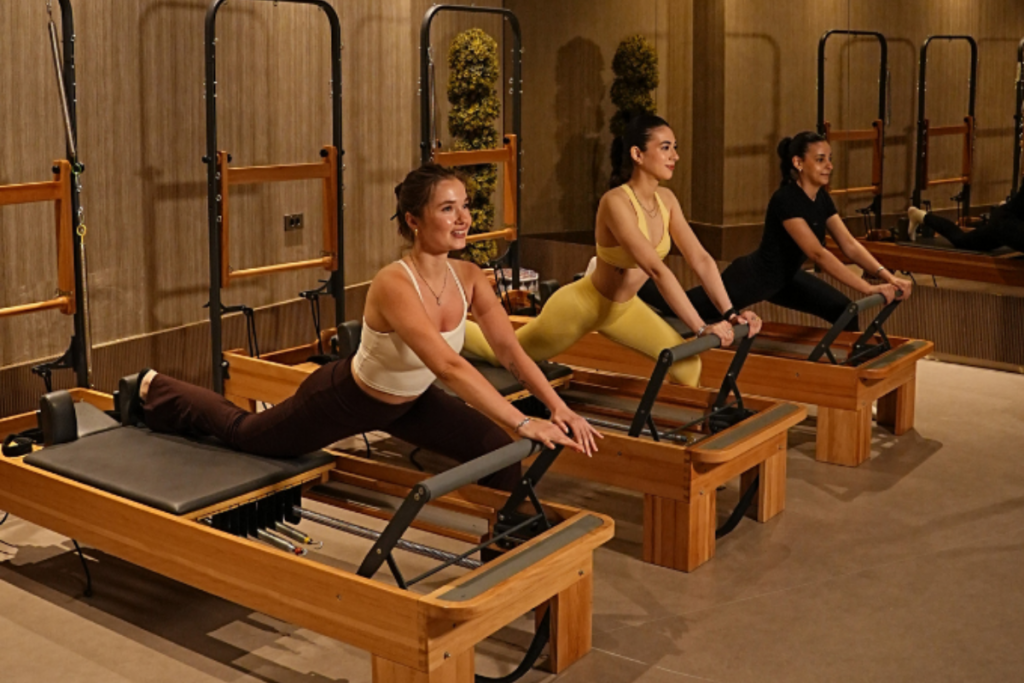
In this journey from overcoming your fear of water to acquiring professional technique, making the right choices is key to maintaining your motivation. Just like with Reformer Pilates training, which is preferred for increasing body awareness, a personalized approach in swimming always accelerates the learning curve.
Advantages of One-on-One Swimming Lessons
One-on-one lessons offer a learning model where the instructor’s full attention is solely on you. If you have limited time and aim to get afloat or improve your style as quickly as possible, private lessons are arguably the fastest method.
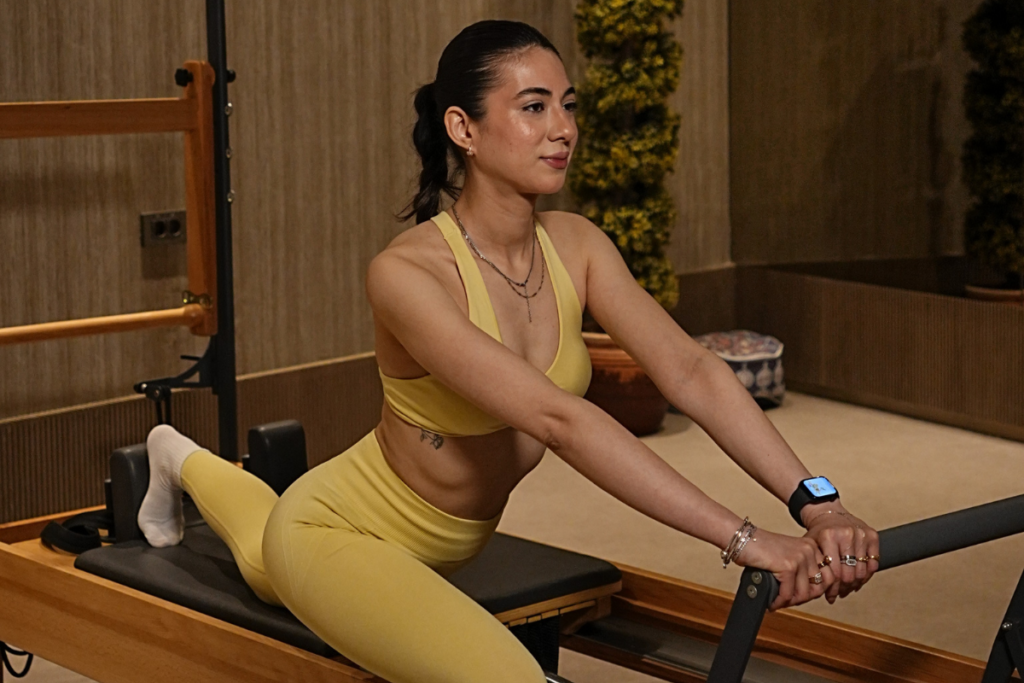
- Personalized Program: From the very first minute, the instructor analyzes your physical capacity and adaptation to water. If you have a specific spinal health condition, you can benefit from the rehabilitative power of water while simultaneously making precise progress, similar to a process supported by Clinical (Rehabilitation) Pilates on land .
- Maximum Confidence: For individuals with a fear of water, being in a group can sometimes increase anxiety. In one-on-one instruction, the instructor never lets go of your hand, which allows psychological barriers to be overcome much faster.
- Flexible Scheduling: If you have a busy work schedule, instead of joining group times, you can schedule a private appointment according to your own schedule, just like with Individual Reformer Pilates sessions.
The Dynamics of Group Swimming Lessons
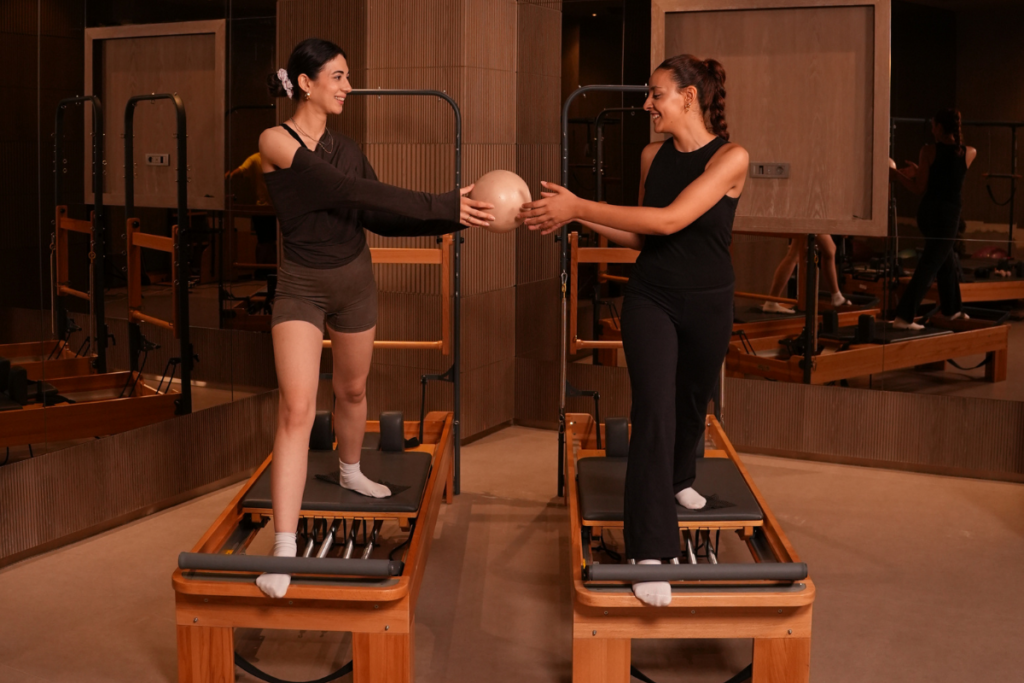
Group classes are great, especially when social interaction stimulates learning. For children, being with peers makes learning a game, while for adults, the feeling of “I’m not alone” increases motivation.
- Economic Advantage: Group classes are more accessible in terms of cost. Just like Group Reformer Pilates Sessions , which are a more affordable and dynamic option , group swimming classes help you establish a sustainable sports routine.
- Social Motivation: Seeing someone else succeed at something reinforces your belief that you can do it too. It fosters a sense of solidarity rather than competition.
- Discipline: Fixed-time classes force individuals into a routine.
Which one should you choose in which situation?
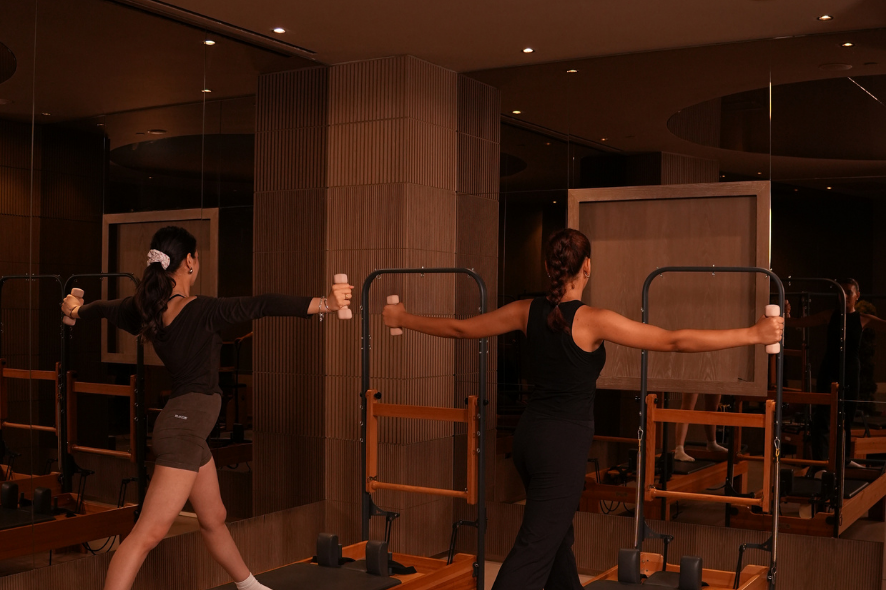
Speed isn’t everything, but if you’re looking for the “fastest” result, your focus should be on your needs. For example, if you work at a desk and suffer from back pain, you might want to support the process of learning swimming styles with Posture Correction Sessions to increase your body’s flexibility . In swimming, one-on-one lessons are also more effective for immediately correcting technical errors.
If you have basic swimming skills and are only interested in improving fitness and burning calories, high-energy group classes like Mat Pilates might be more suitable for you. However, if you are starting from scratch, taking 4-5 private lessons to master the basic techniques before moving on to group classes might be the most balanced approach.
Strengthening body control and core muscles directly impacts your swimming performance. Exercises like Wunda Chair Pilates , which require balance and strength, will elevate your in-water posture (streamline) to a more professional level.
Result: The Moment of Decision
The speed at which you see results is directly proportional to the time your instructor dedicates to you. In a group class, the instructor is divided among 10 people, while in a one-on-one class, the entire 60 minutes are dedicated to your mistakes and areas for improvement. This means that one-on-one classes provide approximately 3-4 times faster progress than group classes.
Frequently Asked Questions
1. How many lessons are needed to learn to swim? For the average adult, if they are not afraid of water, 8-10 lessons are enough to swim at a basic level, but becoming a professional can take months.
2. I have a fear of water, can I join a group class? Yes, but if your fear of water is very strong, starting with one-on-one lessons is healthier for establishing a safe foundation.
3. Which is better for children? For preschoolers, group classes are recommended for social development, while one-on-one classes are suggested for teenagers focused on technical development.
4. Why are one-on-one lessons more expensive? The main factors increasing the cost are the instructor dedicating all their time, pool lane, and equipment solely to you.
5. How many days a week should I swim? To build muscle memory, it is recommended to swim at least 2, ideally 3 days a week.
6. Will the instructor pay attention to me during the group class? The instructor is responsible for the group as a whole, but will give each student brief feedback between rounds.
7. Does swimming help with weight loss? Yes, swimming is a high-calorie cardio workout that works all muscle groups.
8. I want to improve my style; would group lessons be sufficient? Correcting faulty techniques requires detailed analysis; therefore, one-on-one lessons are much more effective in style-focused work.
9. What should I bring with me to swimming lessons? A swimming cap, goggles, flip-flops, a towel, and a suitable swimsuit are essential.
10. How long does a private lesson last? Sessions typically range from 45 to 60 minutes.
11. Is it possible to switch from group lessons to private lessons? Absolutely, most sports clubs allow package changes according to need.
12. Is there an age limit? No, swimming is suitable for all age groups, from 6-month-old babies to 80-year-old adults.
13. Does swimming in winter make you sick? No, if the pool water and ambient temperature are up to standard and you dry yourself well after getting out, swimming in winter strengthens the immune system.
14. Are aids used when learning to swim? Yes; boards, pull-buoys, and noodles are frequently used to facilitate the learning process.
15. Which swimming style is the most difficult? Butterfly style is considered to require the highest level of coordination and strength.