

When you decide to start Pilates, the price range can be confusing. On one hand, there are very affordable group classes, and on the other, boutique studios that require a significant investment. So, is there really a difference between cheap and expensive Pilates? The answer lies not only in the quality of the equipment used, but also in many factors, from the instructor’s expertise and the time dedicated to you, to maintaining your physical health and the overall results you will achieve.
Pilates is more than just an exercise; it’s a discipline of body building. An incorrectly performed movement can lead to injury instead of benefit. Therefore, when choosing a Pilates studio, you should consider not only your budget but also who you are entrusting your body to.
Expertise and Instructor Quality
Inexpensive Pilates classes often cut corners on the biggest cost: instructor training. Expensive or premium studios employ experts with international certifications, a strong knowledge of anatomy, and continuous self-improvement. In specialized areas like Clinical (Rehabilitation) Pilates , the instructor’s experience is crucial. While a cheap option might see an instructor trying to manage 20-30 people at once, in a quality studio, all eyes are on you at all times.
Equipment Safety and Comfort
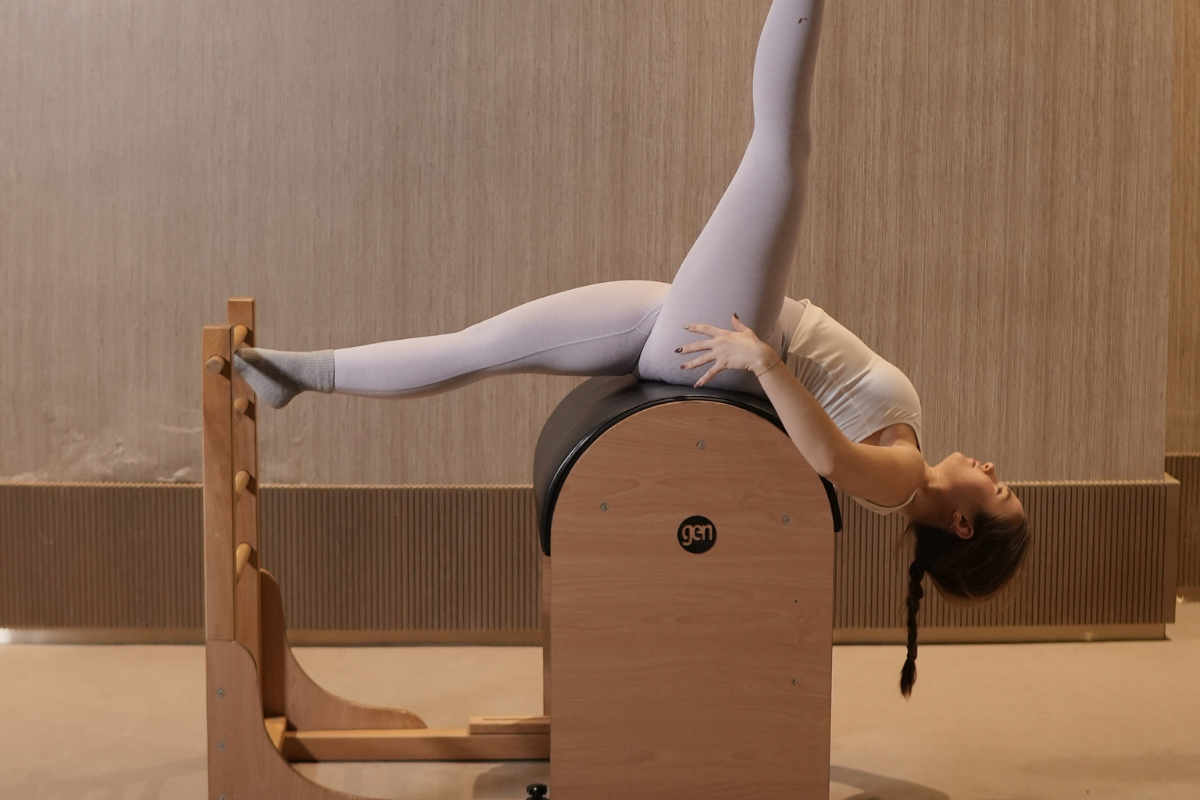
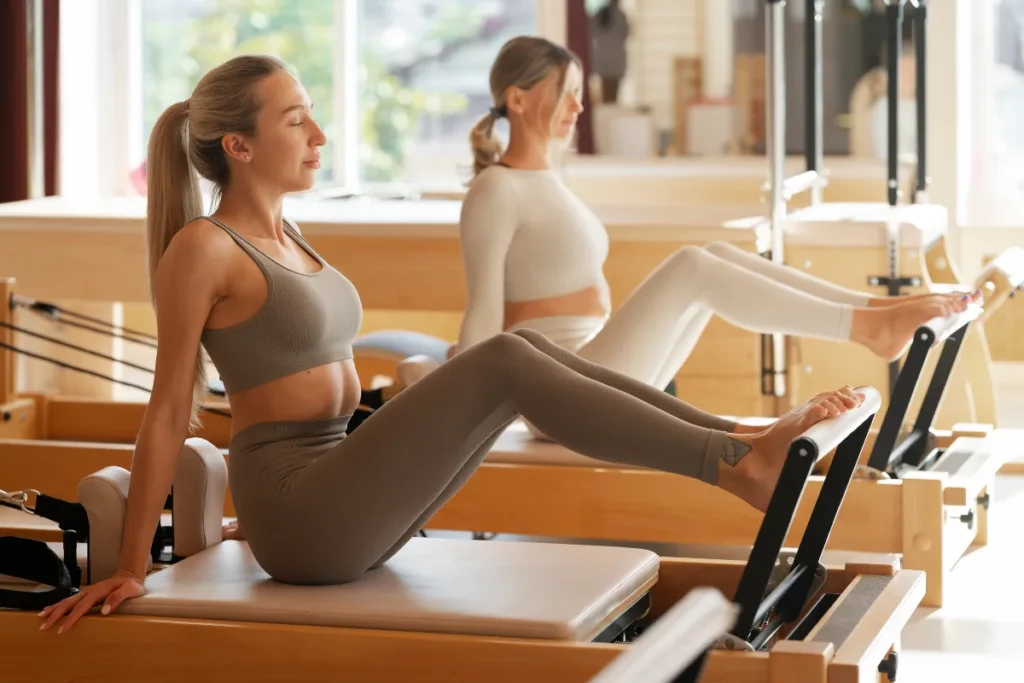
The most effective form of Pilates is undoubtedly equipment-based Pilates. However, the quality of Reformer Pilates equipment determines the fluidity and safety of the movements. Low-quality springs and stiff mechanisms used in inexpensive studios can put unnecessary strain on your joints. In contrast, equipment used in a professional studio perfectly adapts to your body’s resistance. If you are looking for a more compact and different resistance mechanism, you will understand why studios with specialized equipment like Wunda Chair Pilates are more expensive once you experience it.
Personalized Approach vs. Factory-Style Training
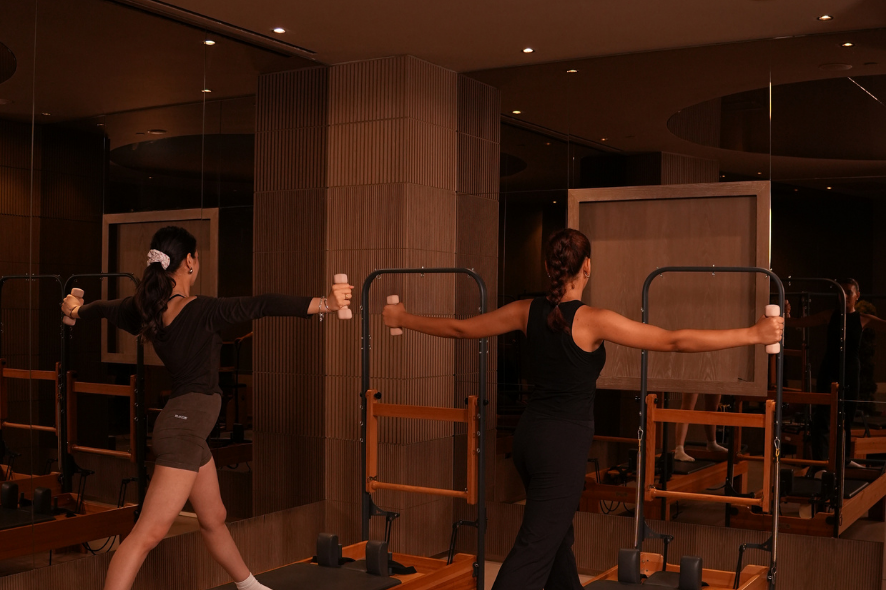
Low-cost classes often operate on the principle of “one size fits all.” However, each individual has different posture problems and flexibility levels. At a professional center, a posture analysis is performed first. If you work at a desk and suffer from back pain, you will see much faster results with Posture Correction Sessions tailored specifically for you. In this case , individual Reformer Pilates sessions, while more expensive, maximize effectiveness.
Group Dynamics and Number of People
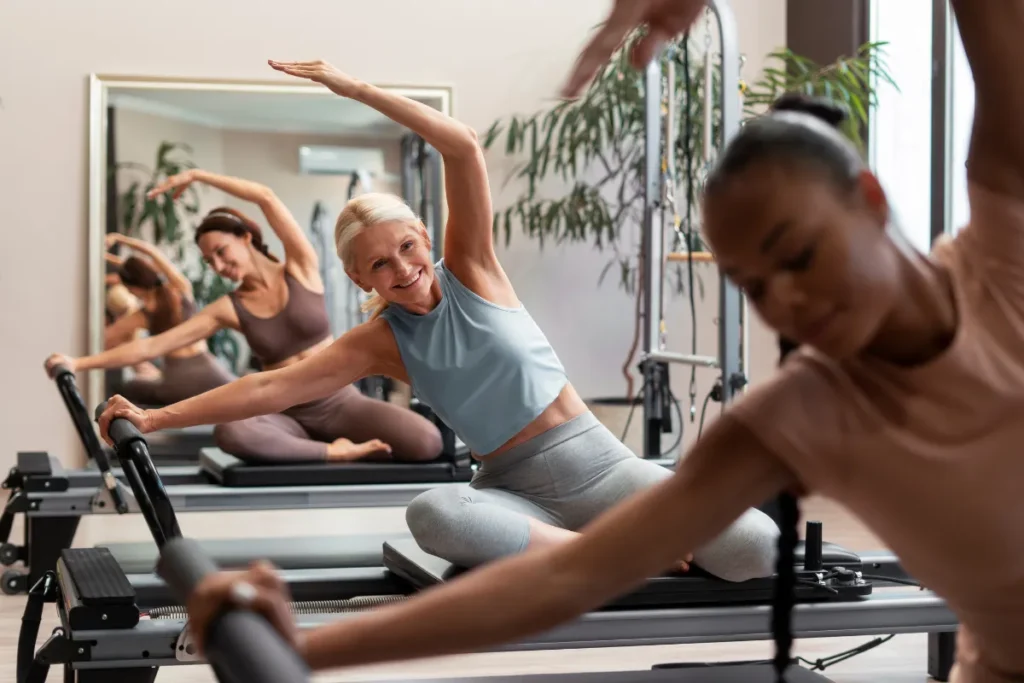
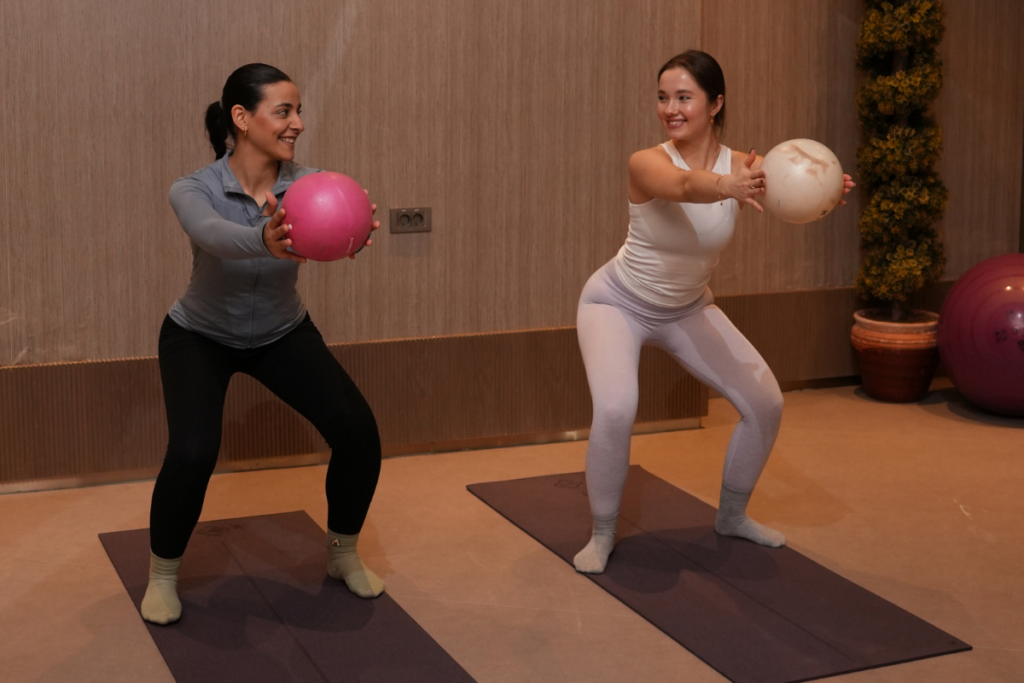
Classes at inexpensive Pilates studios can be very crowded. It’s impossible for the instructor to correct everyone individually. In higher-end studios, Group Reformer Pilates sessions are usually limited to 4-6 people. Fewer people mean more attention and fewer mistakes. If you want to progress without straining your budget but without sacrificing quality, controlled small groups or Mat Pilates sessions on a floor mat can be a great starting point.
Conclusion: Which one should you choose?
“Cheap” isn’t always bad, but when it comes to Pilates, a low price often means less supervision. You should view your body as a long-term investment. Paying a little more upfront for quality training will prevent future treatment costs. Remember, Pilates performed with the correct technique improves your quality of life, while incorrect technique only leads to a waste of time and motivation.
Frequently Asked Questions
1. Which type of Pilates is more suitable for a beginner? For beginners, individual or small group classes are recommended to learn the correct form.
2. Are cheap Pilates studios risky? If the instructor is inexperienced and the class is very crowded, the risk of performing movements incorrectly and getting injured increases.
3. Why do reformer pilates prices vary? The quality of the equipment used, the instructor’s expertise, the studio’s central location, and the number of students per class all determine the price.
4. Is mat pilates or reformer more effective? Both are effective, but reformer pilates shapes and supports muscles faster thanks to its resistance springs.
5. How many days a week should I do Pilates? For visible results, regular participation at least 2 or 3 days a week is recommended.
6. I have a herniated disc; can I go to a cheap studio? For conditions like herniated discs in the back and neck, you should definitely work with specialists who have received clinical Pilates training; general group classes can be risky.
7. Does Pilates help with weight loss? Pilates tightens muscles and speeds up metabolism, and when combined with a balanced diet, it can aid in weight loss.
8. Do you see results faster in expensive studios? Yes, because the instructor corrects your movements at every moment and adjusts the intensity of the class according to your limits.
9. Will the instructor pay attention to me in group classes? In boutique studios, the number of participants is small, so there is more attention given, but this is difficult in very large classes.
10. Can I do Pilates at home by myself? Starting at home without learning the basic principles and proper breathing techniques from an expert can lead to injuries.
11. What should you wear while doing Pilates? Flexible, sweat-wicking sportswear that doesn’t restrict movement and non-slip socks should be preferred.
12. Can men do Pilates? Absolutely. Joseph Pilates, the founder of Pilates, was a man, and this discipline is suitable for any man who wants to balance muscle strength with flexibility.
13. Is there an age limit? No, Pilates is an exercise system that can be modified to be suitable for individuals of all ages.
14. Does Pilates correct posture problems? Yes, it is very effective for posture problems such as hunching and lumbar curve, especially because it strengthens the core region.
15. How long does a Pilates session last? A standard Pilates session usually ranges from 50 to 60 minutes.