

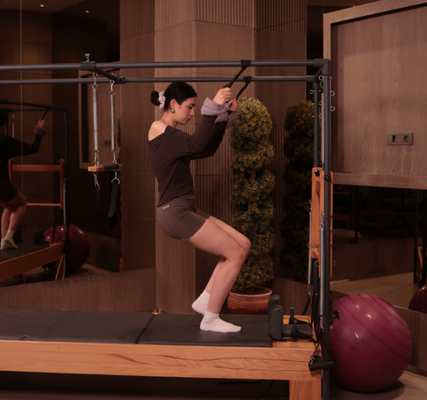
The promises of “miraculous transformations” frequently encountered in the fitness world naturally raise skepticism in modern consumers. The question of how quickly the toned abs and upright posture seen on social media are achieved is a major point of curiosity. But would someone who does Pilates for a month really see a difference, or is it just a marketing tactic to keep studios full? The answer lies in the working principles of Pilates and its effects on body anatomy.
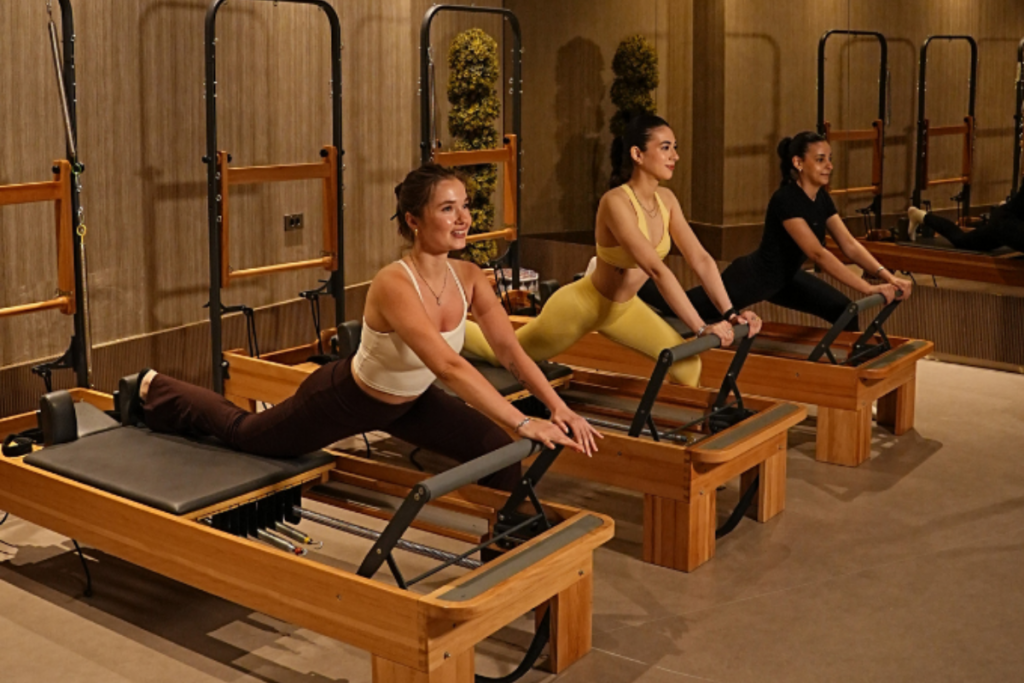
What Happens to the Body During a 1-Month Pilates Journey?
When Pilates was developed by Joseph Pilates under the name “Contrology,” its primary goal was not to bulk up muscles, but to build the body from the inside out. In a regular one-month program (an average of 3 sessions per week), the changes you will see in your body generally progress in this order:
During the first two weeks, your nervous system adapts to new movement patterns. This phase involves what we call “neuromuscular adaptation” rather than an increase in muscle mass. You begin to feel the presence of deep muscle groups you never used before. Especially when you learn basic core stabilization with Mat Pilates , you’ll feel a lightness even during your daily walk.
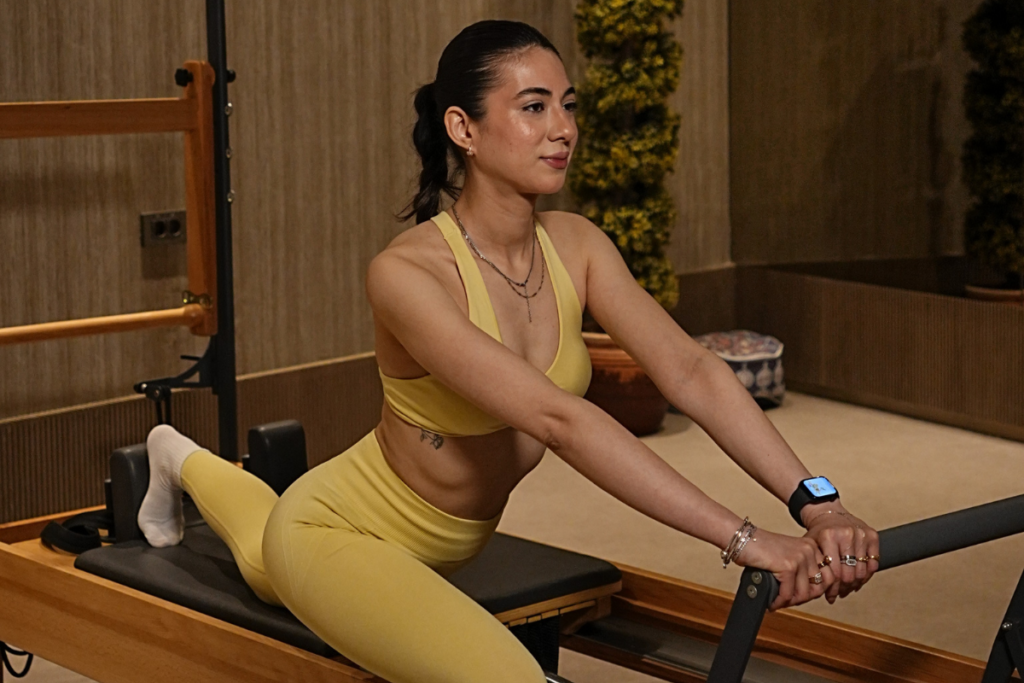
During the third and fourth weeks, physical changes begin to become noticeable. Because the muscles work by stretching under resistance, the body appears more compact and firm. This is not a marketing gimmick, but a biological result.
The Factor Accelerating the Difference: The Reformer Pilates Effect
If you want quick results, Reformer Pilates, which utilizes the power of resistance springs , is your greatest ally in this process. The spring system ensures that the muscle encounters resistance both while shortening and lengthening (eccentric contraction). This helps the muscles to be shaped into a “long and lean” form.
For those who want to maximize the difference in a month, Individual Reformer Pilates sessions allow the instructor to focus entirely on your posture. Customized resistance levels yield results in slimming around the waist and firming of the shoulders in as little as four weeks.
Posture Problems and 30-Day Improvement
Beyond marketing claims, Pilates’ most tangible success lies in its impact on posture. Individuals who work at a desk all day or lean forward while using their phones will notice a difference very quickly. You will feel the pressure on your spine reduced from the very first sessions.
Thanks to Posture Correction Sessions , after one month you will notice that you have grown a few centimeters taller (actually regaining your original height) when you look in the mirror. This means that slouching posture is replaced by an upright rib cage and a strong back line. If you have a serious back or neck problem, managing this process with Clinical (Rehabilitation) Pilates can produce miraculous results in terms of pain reduction in just one month.
Social Motivation and Technical Diversity
When exercising on your own, you’re likely to give up after a month. However, when you participate in group classes like Group Reformer Pilates Sessions , the group dynamic helps you maintain discipline. And discipline is the key to results.
Increasing the difficulty level and accelerating the body’s adaptation process by incorporating different equipment like the Wunda Chair Pilates surprises the body. When the body is surprised, progress doesn’t stop. Most people who say “Nothing has changed” after a month are usually those who haven’t challenged their bodies enough or are using the wrong technique.
Conclusion: Fact or Marketing?
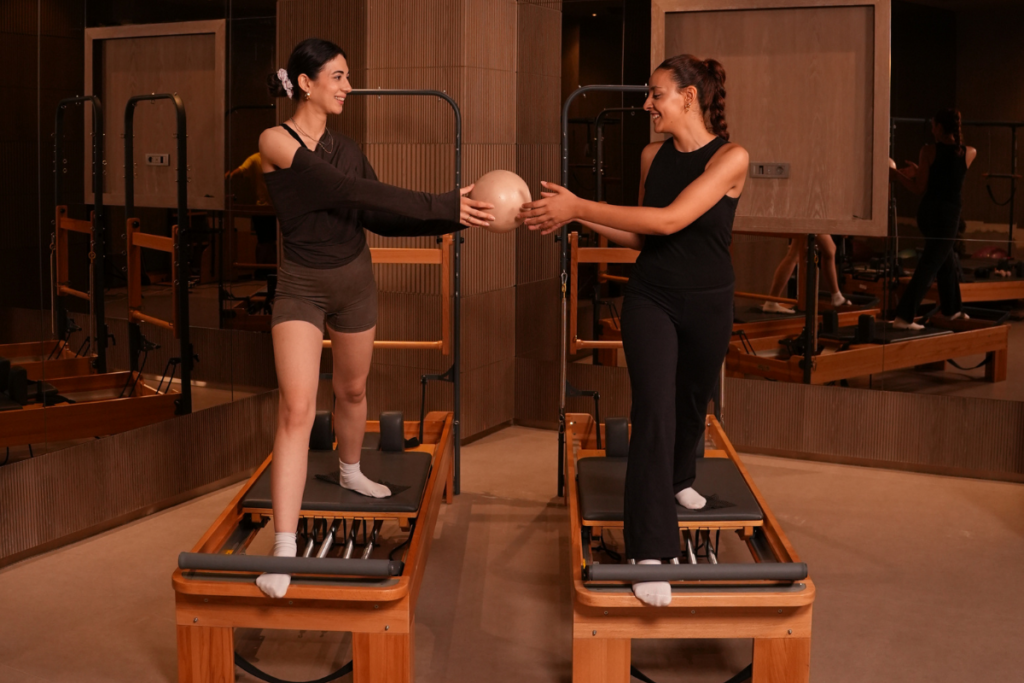
Joseph Pilates famously said: “You will feel the difference in 10 sessions, see the difference in 20 sessions, and have a brand new body in 30 sessions.” Calculating this based on 3 sessions a week, 10 sessions equate to approximately 3-4 weeks. Therefore, scientifically and historically, one month is the time it takes for Pilates to “make you feel” the results and “give you the first visual signals.” This isn’t a marketing lie; however, it’s important to manage expectations correctly. You won’t lose 20 kilos in a month, but you will notice that your pants fit more comfortably, you don’t get tired climbing stairs, and you wake up pain-free in the mornings.
Frequently Asked Questions
1. Will doing Pilates for a month reduce belly fat? Pilates tightens abdominal muscles and pulls the stomach in; however, it must be supported by a healthy diet for effective fat burning.
2. How many days a week should I do Pilates to see results in a month? Ideally, it’s 3 days a week. 2 days provide maintenance, and 3 days initiate change.
3. Why does my weight increase on the scale after starting Pilates? Because muscle mass is heavier than fat in terms of volume, even if you see an increase on the scale, you will appear slimmer in the mirror.
4. Which is more effective for one month: reformer pilates or mat pilates? Reformer pilates activates and shapes muscles faster thanks to its resistance springs.
5. Does Pilates make you taller? Because it increases the space between the vertebrae and improves posture, it can make you appear taller.
6. Can someone with a herniated disc get rid of their pain in 1 month? With regular use of clinical Pilates support, a significant reduction in pain is observed within 4-6 weeks.
7. Can I see results at home on my own in a month? It’s risky if not done correctly. Sessions with a qualified trainer yield much faster results.
8. Should I follow a diet plan while doing Pilates? If you want to see visible physical changes (slimming), a protein-rich and balanced diet is essential.
9. If I stop doing Pilates after 1 month, will my body sag? No, but the muscle tone and flexibility you gain will decrease over time.
10. Can men build muscle by doing Pilates for a month? Yes, Pilates increases core strength and muscle endurance in men, especially.
11. How long do Pilates sessions last? A standard session is usually 50 minutes.
12. What changes can I expect in my body after the first month? A more upright posture, firmer legs, and a more defined abdominal line are the most common results.
13. Even though I’m older, will I see a difference in a month? Pilates knows no age; muscles can be stimulated and flexibility increased at any age.