

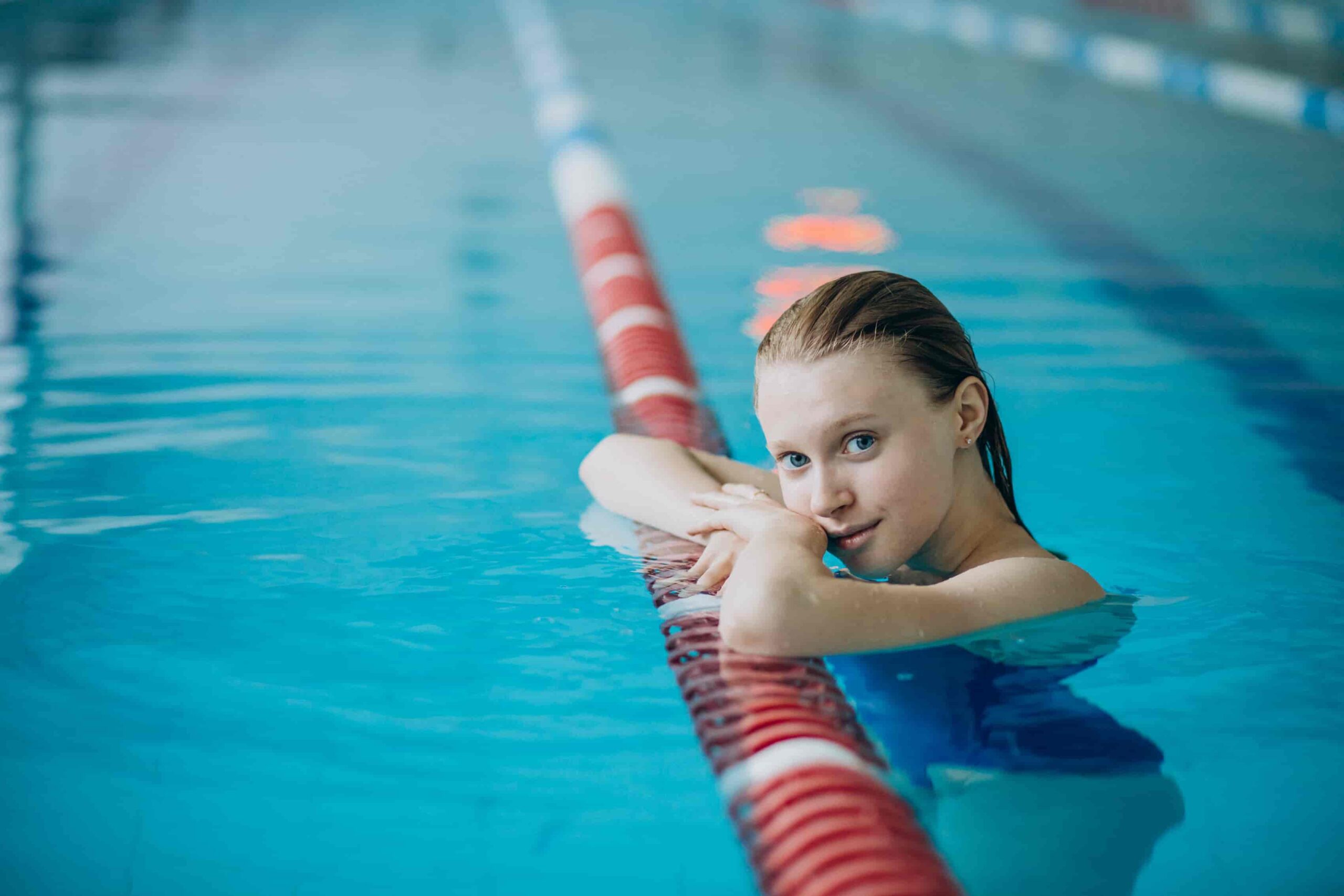
One of the most fundamental questions that preoccupies the minds of many adults and parents is: Is learning to swim difficult? The answer to this question is actually directly related to your perspective on water, your physical aptitude, and most importantly, the quality of the training you receive. Unlike many other sports, swimming is an area where the effect of gravity is reduced and the buoyancy of water comes into play. This makes swimming, when done with the right techniques, one of the most enjoyable and fluid activities in the world.
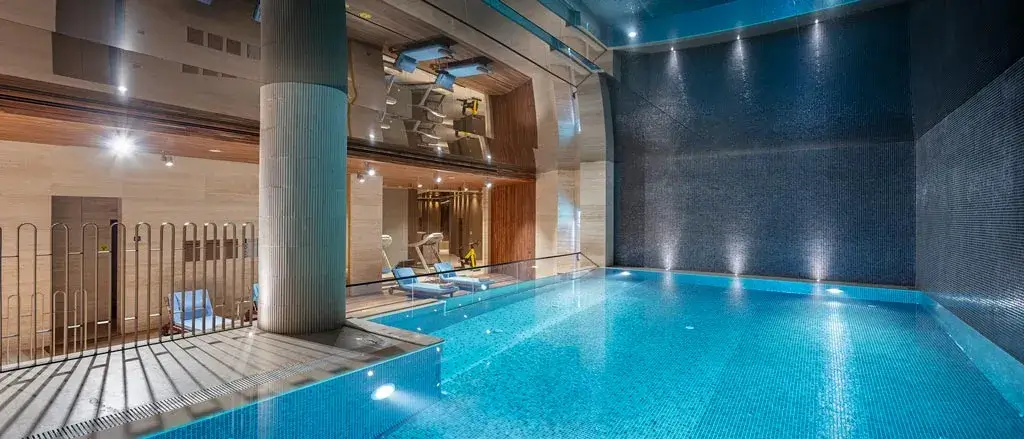
Many people approach this process with hesitation due to a fear of water stemming from childhood or concerns about not being able to coordinate their breathing. However, learning to swim , like riding a bicycle, is a skill that, once ingrained in muscle memory, will last a lifetime. The important thing is not trying to stay afloat, but learning to move with the water.
Swimming Process and Challenges for Adults
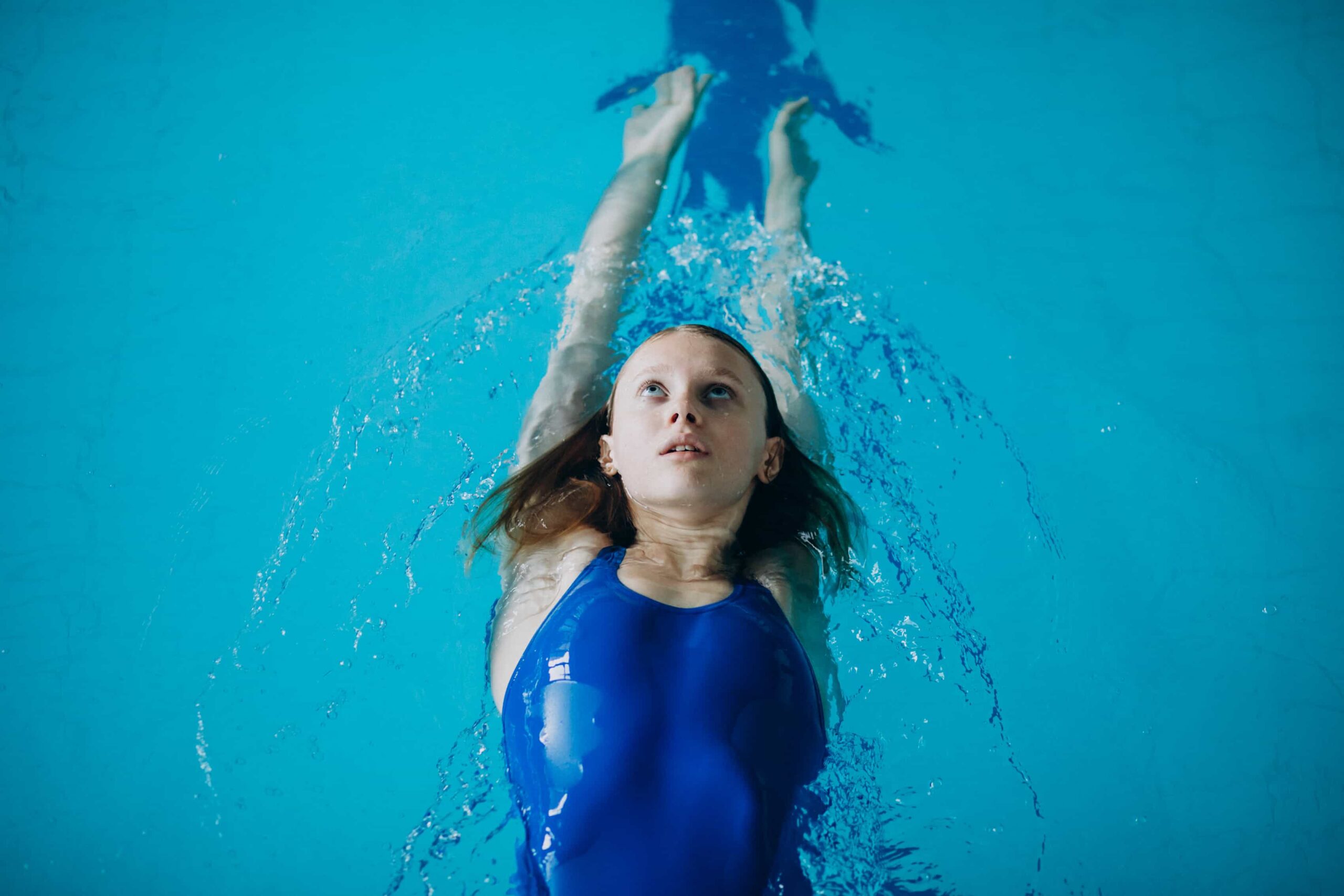
Learning a new physical skill in adulthood can sometimes be daunting. However, thanks to modern training methodologies , Adult Swimming lessons begin by analyzing an individual’s fears. For adults, the primary challenge is often not physical inadequacy, but mental barriers. Building trust in the water, being able to control your breath, and allowing your body to adapt to the water’s density are the first steps in this process.
When working with a professional instructor, most adults find they can stand independently on the water’s surface within just a few lessons. From there, the focus shifts to mastering the technical details. For example, when practicing Freestyle Swimming , the most popular and fundamental style , mastering stroke and breath timing may seem complex at first, but with regular practice, it becomes a natural reflex.
Swimming Lessons for Children: The Advantages of Early Childhood

Children adapt to water much faster than adults. For them, water is a playground, and this incredibly accelerates the learning process. Children’s swimming lesson programs help children develop their motor skills while also instilling discipline. Water skills acquired at a young age ensure a child’s safety throughout life and pave the way for a healthy physique. If your child grows up comfortable with water, learning more complex techniques later in life will be much easier.
Is it difficult to master certain swimming styles?
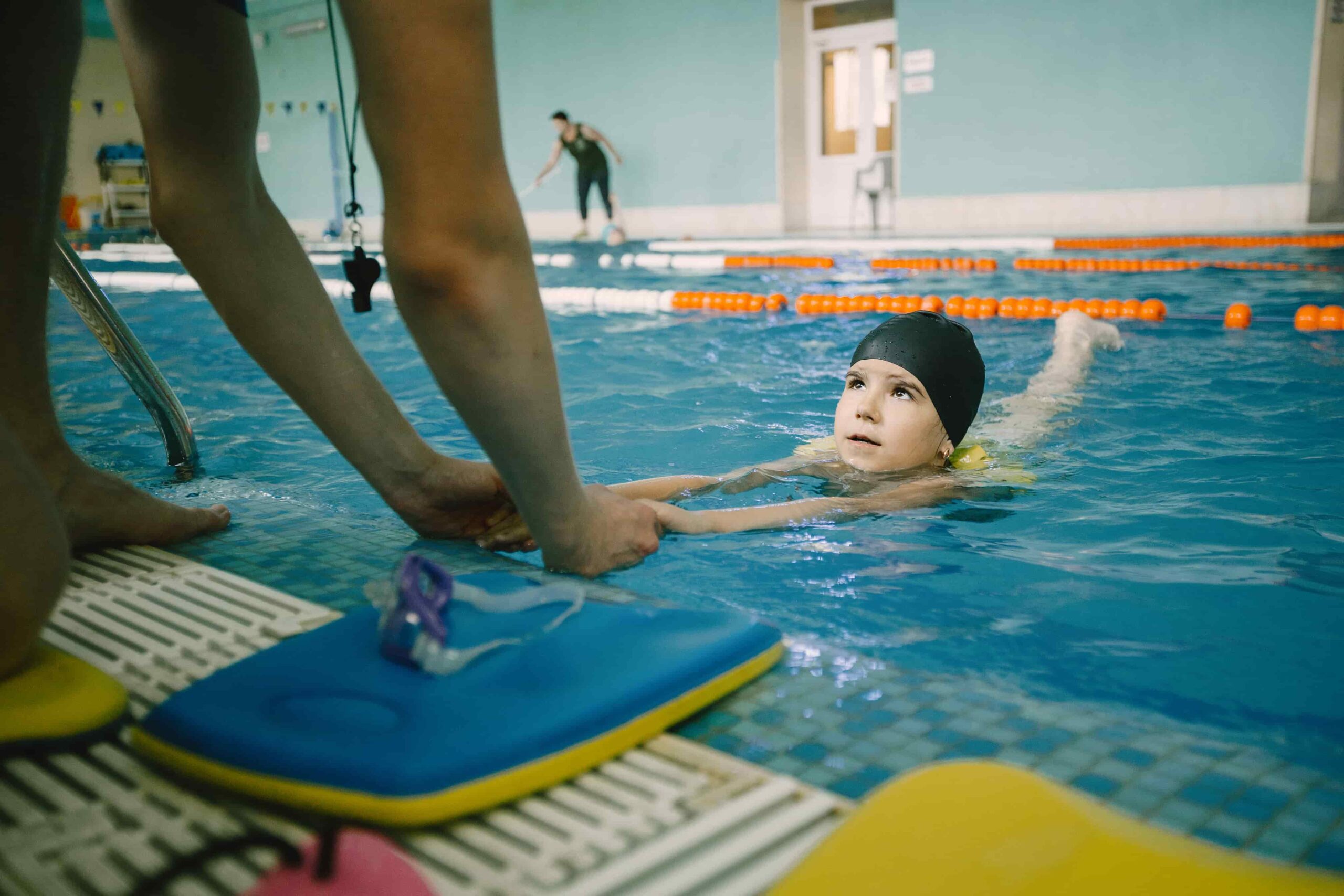
Learning to swim at a basic level and becoming a professional in specific styles are different processes. An individual who has acquired basic water skills can pursue different disciplines according to their interests and goals.
Backstroke: This is often the safest style to begin with, especially for those who are afraid of staying afloat. Having your face above the water makes breath control easier. Backstroke swimming technique is frequently recommended by experts, particularly for spinal health.
Breaststroke: This is a style where coordination is paramount. Based on the synchronized movement of the arms and legs , breaststroke is ideal for those who want to swim for a long time at a relaxed pace.
Butterfly Swimming: Although known as “the most difficult swimming style,” it actually relies entirely on rhythm and power balance. Requiring wave-like motion , butterfly swimming demands advanced fitness and professional technical support.
If you want to try all these styles together and challenge your body in every way, Individual Medley training will be the best way to improve for you. Individual Medley swimming is the performance of four different styles (Butterfly, Backstroke, Breaststroke, Freestyle) in a specific order and is a complete performance sport.
Why Choose a Professional Course?
Trying to learn to swim on your own can lead to the perpetuation of incorrect techniques and an increased risk of injury. The advantages of a professional course are as follows:
- Safety: In case of cramps or panic attacks in the water, being under expert supervision is vital.
- Correct Technique: Incorrect swimming technique can cause shoulder and neck pain. With professional training, you learn the correct form from the very beginning.
- Motivation: Following a specific schedule reduces the risk of giving up and makes your progress measurable.
- Equipment Support: Proper use of pool boards, fins, and other auxiliary equipment rapidly improves muscle memory.
In conclusion, learning to swim is not difficult at all when approached with the right method, the right instructor, and patience. The water will carry you; all you have to do is learn to go along with it.
Frequently Asked Questions
- How many lessons does it take to learn to swim? On average, basic water skills are acquired within 8-12 lessons.
- I have a fear of water, can I swim? Yes, with professional instructors, special acclimatization exercises will be conducted to help you overcome your fear.
- Is learning to swim more difficult for adults? It might just require more mental focus; there are no physical limitations.
- Is there an age limit for learning to swim? No, anyone can learn to swim at any age.
- Which swimming style is the easiest? Backstroke or freestyle are generally considered easier due to better breath control.
- Does swimming help with weight loss? Yes, it’s one of the most effective cardio exercises that works all the muscles.
- When should my child start swimming? Professional group or private lessons can begin from the age of 4.
- What do I need for swimming lessons? Swimsuit/shorts, swimming cap, and definitely good quality swimming goggles.
- Is it possible to take swimming lessons in winter? Yes, lessons continue year-round in heated indoor pools.
- How many days a week should I swim? Regular participation at least two days a week is recommended for optimal development.
- I know how to swim, but I get tired very quickly, why? It’s probably because your breathing technique or stroke form is wrong; you should take a technique correction class.
- Which is more effective: private lessons or group lessons? Private lessons are more effective for faster progress and overcoming fear, while group lessons are better for socialization.
- Is wearing swimming goggles essential? They are definitely recommended for underwater vision and eye health.
- Does swimming help with height growth? In growing children, it supports spinal development and height increase.
- Can pregnant women participate in swimming lessons? As long as they have doctor’s approval, it’s one of the safest forms of exercise.
- Can people with asthma swim? Swimming is a sport often recommended for people with asthma because it increases lung capacity.
- Should I eat before coming to swimming lessons? A light meal should be eaten at least 1.5-2 hours before the lesson.
- How do people who wear glasses swim? You can swim comfortably using prescription swimming goggles or contact lenses.
- Does learning to swim butterfly take a long time? It requires more practice because it demands more muscle strength and rhythm than other styles.
- Can knowing how to swim save lives? Yes, it’s a vital life skill that every individual should know.
- Is the pool water hygienic? In professional facilities, the water is constantly filtered and treated with chemicals according to Ministry of Health standards.
- Can people with herniated discs swim? Yes, backstroke swimming in particular is very good for relieving back and lower back pain.
- What determines the price of swimming lessons? It varies depending on the number of lessons, whether it’s private or group, and the quality of the facilities.
- What happens in the first lesson? It usually involves getting acquainted with water, breathing exercises, and practicing staying afloat.
- What determines the rate of progress in a swimming course? It depends on consistent attendance, adaptability to the coach, and the amount of time spent in the water.
- Can I learn to swim on my own? It’s possible, but professional help is recommended as it will be difficult to correct technical mistakes.
- Does the swimming course provide the swimming equipment? Technical equipment like pool boards is usually provided by the course.
- When is a swimming course considered finished? It depends on the individual’s goal; whether it’s for hobby purposes or continuing to a professional level.
- Why is breath control important in swimming? It’s a fundamental element that helps you avoid panicking and conserve energy in the water.
- At what age can one learn butterfly swimming? It is generally suitable for children aged 8-9 and older who are proficient in the basic styles.