

Becoming comfortable with water, being able to move freely on its surface, and benefiting from the health advantages this miraculous sport offers is almost everyone’s dream. However, the most popular question that occupies minds when starting a new hobby or training process is: How long does it take to learn to swim? While there is no single answer to this question, it is possible to make this process predictable and efficient with a professional approach and the right techniques.
Swimming is not just about the movement of your arms and legs; it’s also a process of breath coordination, muscle memory, and mental adaptation. Whether you’re an adult trying to overcome your fear of water or a parent who wants your child to grow up with sports, the learning process will be shaped by your individual characteristics and goals.
Key Criteria Affecting Learning Time
Several critical factors determine the speed of learning to swim. The most important is “adaptation to the water.” If you don’t have a pre-existing fear of water, you will learn to rely on buoyancy much faster. Another factor is age. Because children’s motor skills are still developing, the process in Children’s Swimming Lessons progresses naturally with a play-based approach. In adults, analytical thinking can sometimes slow down the process; however, with proper Adult Swimming training, these barriers are quickly overcome.
To give a general average, learning to swim at a basic level (staying afloat and moving forward without panicking) takes approximately 8 to 12 lessons . With a program that includes two sessions a week, you should start feeling confident in the water after a month.
The Order in Which Techniques and Styles Are Learned

After completing basic swimming training, the process of developing techniques and styles begins. Each style has its own level of difficulty and learning time:
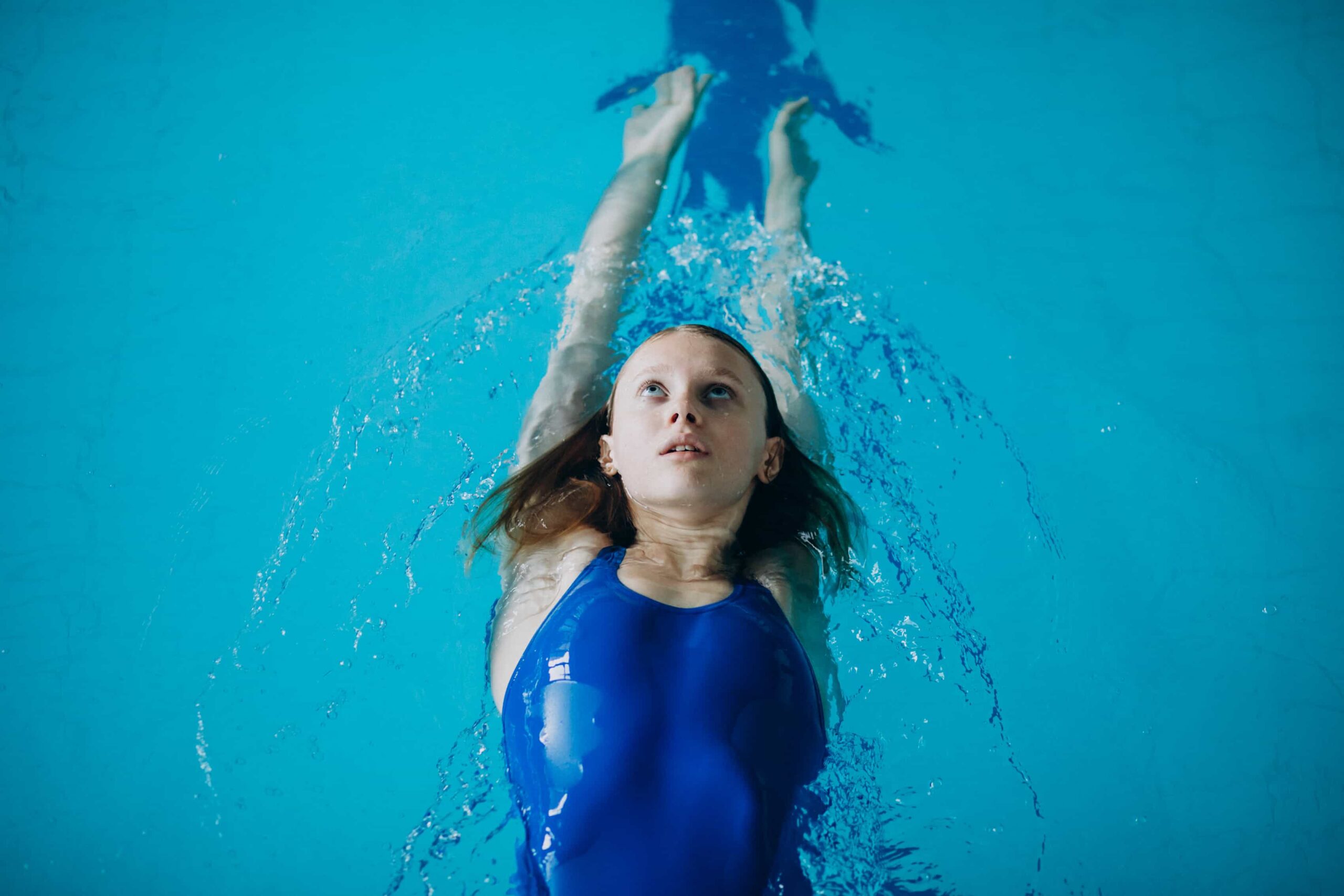
Freestyle and Backstroke: These are usually the first techniques taught and the quickest to grasp. Once freestyle swimming coordination is established, the hydrodynamics of the body in the water are understood. Similarly, backstroke , where the face is above the water , simplifies the process for those who want to learn breath control.
Breaststroke: Requires more complex arm and leg synchronization. Mastering breaststroke swimming technique may require a little more practice and patience than freestyle.
Butterfly and Individual Medley: These are the most advanced levels. Butterfly swimming requires high levels of fitness and lumbar-hip mobilization, so even swimmers with solid basic training may need several months of specific training. Individual Medley swimming training, which combines all these disciplines, is a true indicator of professionalism and consistency.
The Impact of Professional Training on Duration
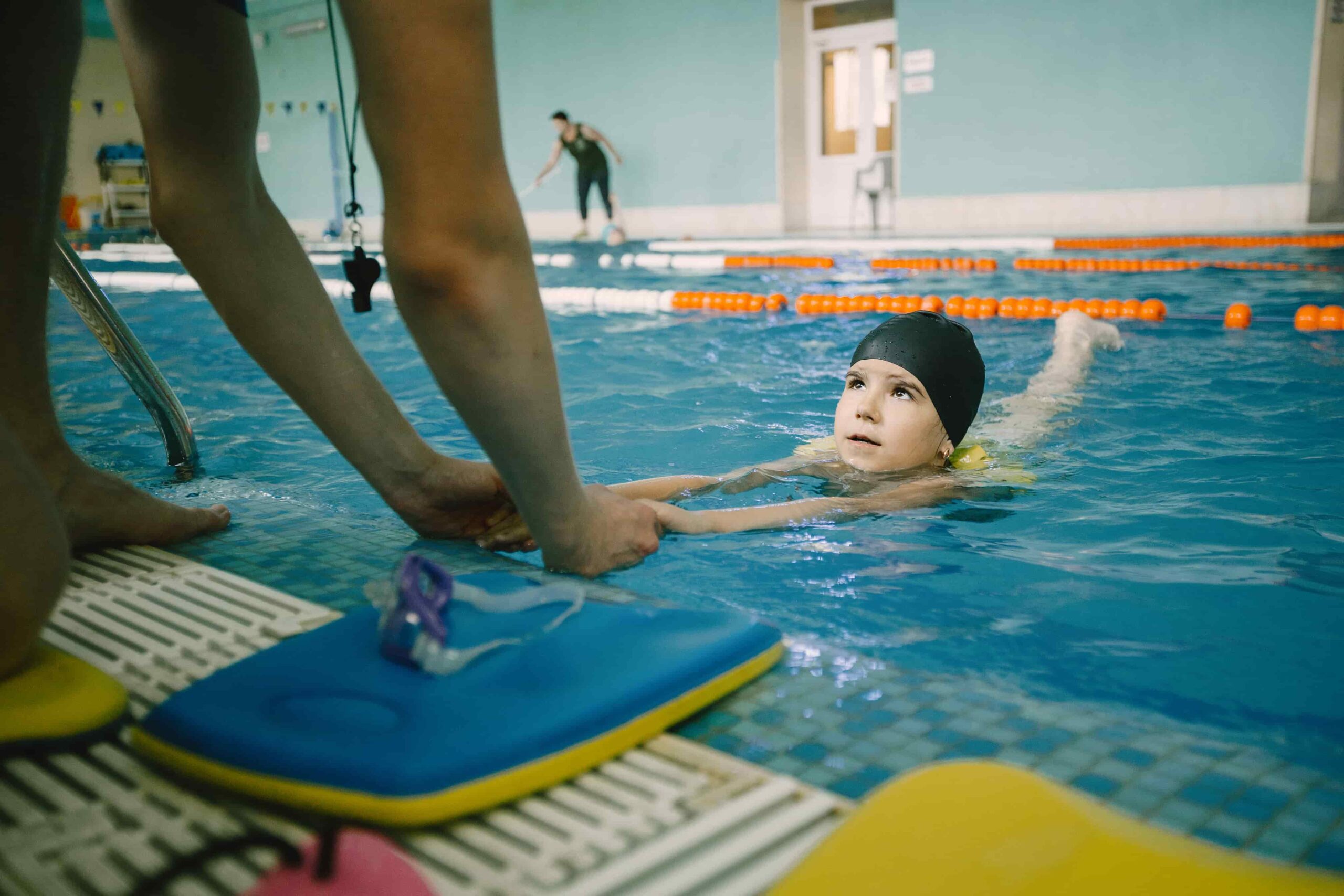
Many people may waste time trying to learn to swim on their own . However, working under the supervision of an expert prevents the ingrained use of incorrect techniques and accelerates the process by at least 50%. An incorrect breath or an wrong stroke angle can not only cause you to tire but also halt your progress. A professional coach will instantly identify your weaknesses and optimize the process.
Frequently Asked Questions
- Is there an age limit for learning to swim? No, individuals of all ages, starting from age 4, can learn to swim.
- How many days a week should I take lessons? At least two days a week is ideal for muscle memory to become permanent.
- How long does it take for someone who doesn’t know how to swim at all to learn? On average, you can swim at a basic level in 8-12 professional lessons.
- How does the process work for those with a fear of water? For those with a fear of water, the first few lessons are entirely focused on getting used to the water and building trust; this process may take a little longer.
- Which is faster, private or group lessons? In private lessons, the instructor is completely focused on you, so the development process is much faster.
- What equipment is needed when learning to swim? A swimming cap, goggles, and swimsuit are basic necessities. Any necessary technical equipment is provided by the course provider.
- Do children learn faster than adults? Children are generally more agile and adapt to play with water more quickly, which shortens the adaptation process.
- Is it possible to learn to swim in winter? Yes, taking lessons in indoor, heated pools during the winter months is much more comfortable.
- Does learning to swim help with weight loss? Yes, swimming is one of the most effective sports for burning calories because it works all the muscles in the body.
- Is swimming on your back easier? Many people learn this style more quickly because breathing is easier compared to freestyle.
- Is learning to swim difficult? With the right technique and a professional instructor, it’s a very enjoyable and easy process.
- Can every student learn butterfly swimming? Any student who masters the basic styles and reaches sufficient fitness level can learn butterfly swimming.
- Is it possible to learn to swim without taking swimming lessons? It is possible, but professional help is recommended as it can be difficult to correct technical mistakes.
- How long do swimming lessons last? A lesson usually lasts between 50-60 minutes.
- Can pregnant women learn to swim? With doctor’s approval, swimming is one of the safest sports during pregnancy.
- When does breath control become established? Generally, students get used to proper breath coordination starting from the 4th or 5th lesson.
- Can people with herniated discs swim? Swimming is a sport that supports the treatment of herniated discs, but it should be done with expert advice.
- Is wearing swimming goggles essential? They are absolutely recommended for underwater comfort and eye health.
- Can I learn to swim in the sea on my own? Because the sea is choppy and unpredictable, the learning process isn’t as safe and fast as in a pool.
- Is a certificate awarded at the end of the swimming course? Many professional institutions offer certificates of achievement to students who complete their training levels.
- Can people with asthma swim? Yes, humid air and controlled breathing exercises can be beneficial for people with asthma.
- Is swallowing water normal when learning to swim? It’s quite normal at the beginner stage, and this usually disappears as your technique improves.
- Can knowing how to swim save lives? Absolutely; swimming is not just a sport, it’s a vital life skill.
- How long does it take to change styles? Once you’ve achieved basic proficiency in one style, switching to another usually takes a few lessons.
- What factors affect swimming course fees? They vary depending on the frequency of lessons, the facilities available, and whether the lessons are private or group.
- Can someone who doesn’t know how to swim take lessons in a deep pool? Training always begins in shallow pools (where your feet can touch the bottom).
- How long does it take to become an advanced swimmer? With regular training, you can master professional techniques in 6 months to 1 year.
- What should you do if you get a cramp while swimming? Instructors also teach calming and emergency response techniques during lessons.
- Does wearing goggles reduce fear of water? Yes, seeing clearly underwater increases the sense of environmental control, thus reducing fear.
- Is attendance at swimming lessons mandatory? Not missing a lesson is critical for development and muscle memory.