

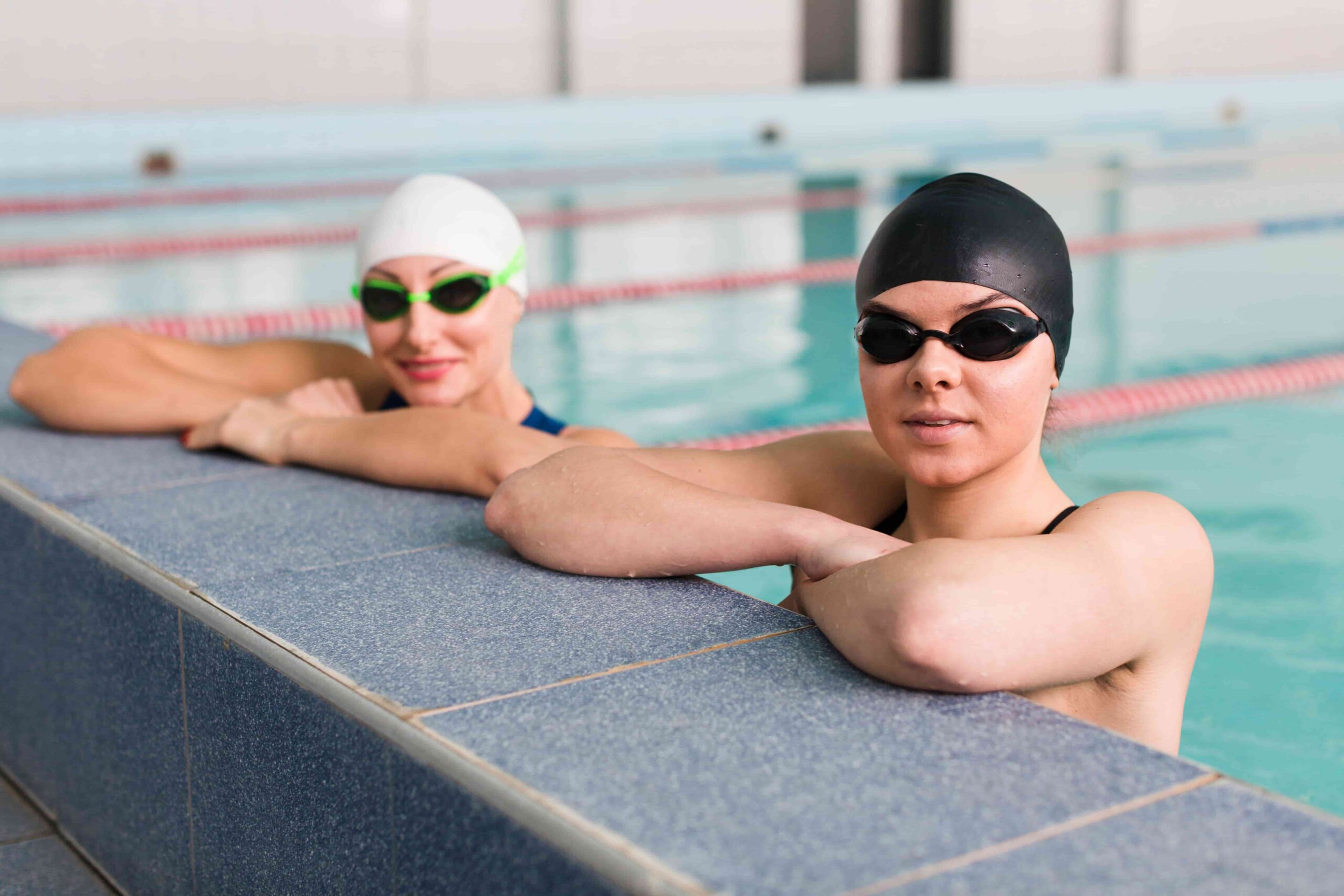
Our connection with water means much more than just cooling off or having fun. When combined with the right techniques, the resistance of water transforms into a perfect training ground for our bodies. Many people start by asking, “Which styles are taught in swimming lessons?” and discover that this discipline is not just about staying afloat, but a work of art and engineering. In a professional training process, the four basic Olympic styles and their combinations are covered, tailored to each individual’s physical capacity and goals.
The goal of a professional swimming course isn’t just to help you progress; it’s to teach you how to do it with minimal effort and maximum efficiency. Let’s take a closer look at the fundamental styles you need to learn to turn the resistance of the water to your advantage.
1. Freestyle Swimming: The Foundation of Speed and Fluidity
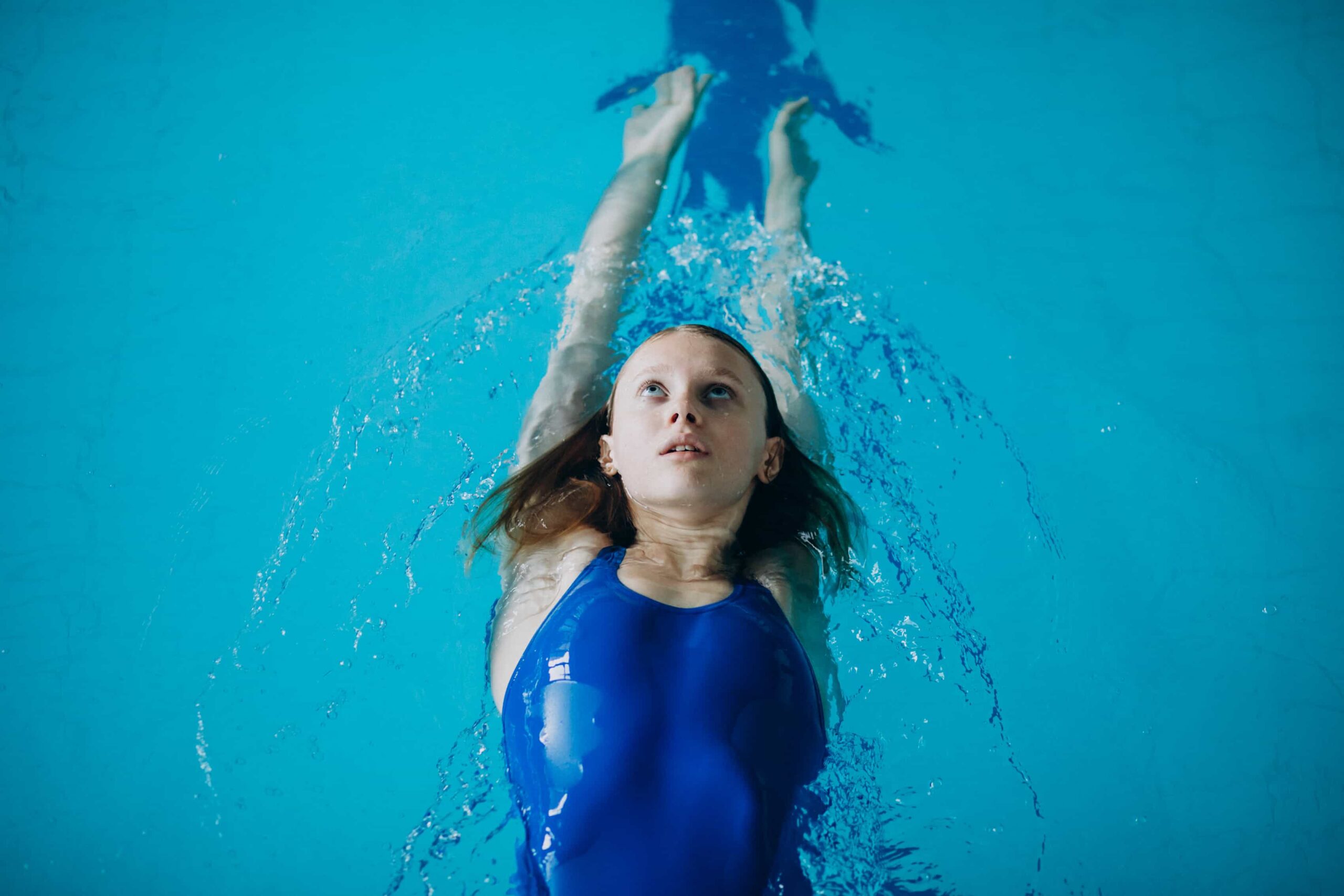
Almost everyone who enters the world of swimming learns Freestyle Swimming as their first technique . Also known as “Crawl,” this style is the fastest of the four main disciplines. Courses emphasize maintaining a horizontal, hydrodynamic position of the body above the water, circular arm strokes, and rhythmic leg kicks. The most critical aspect is breath coordination; taking a breath while turning the head to the side and exhaling it underwater in a controlled manner is the lifeblood of this style.
2. Backstroke Swimming: Comfort and Posture Support

For those who want to enjoy the water with their faces turned towards the sky, backstroke swimming is indispensable. This style is a great source of motivation for beginners because breathing is relatively easier. In backstroke courses, emphasis is placed on keeping the hips close to the water surface and rotating the shoulders. This style is frequently recommended, especially for adults who work at desks, as it supports spinal health and improves posture.
3. Breaststroke Swimming: Technique and Rhythm
Breaststroke is one of the oldest and most technical swimming styles. In breaststroke swimming instruction, the focus is on the perfect timing of the arms and legs. The special propulsion technique, known as the “frog foot,” works a significantly different muscle group than in other styles. Teaching this style in courses maximizes a student’s coordination skills in the water.
4. Butterfly Swimming: The Pinnacle of Power and Aesthetics
If you want to showcase true power in the water, your goal should be to learn Butterfly Swimming . This style is one of the most challenging yet aesthetically pleasing. The combination of a “dolphin” leg kick and a double arm pull requires the body to create a wave-like movement. This technique, which demands high fitness and shoulder flexibility, is usually taught to advanced swimmers who have completed their basic training.
Educational Programs Tailored to Different Needs
The learning process is different for every age group and every goal. The programs offered in the courses are optimized according to these differences:
- For Adults: Designed for individuals who want to relieve work stress and get in shape , Adult Swimming programs are generally based on technical excellence and endurance.
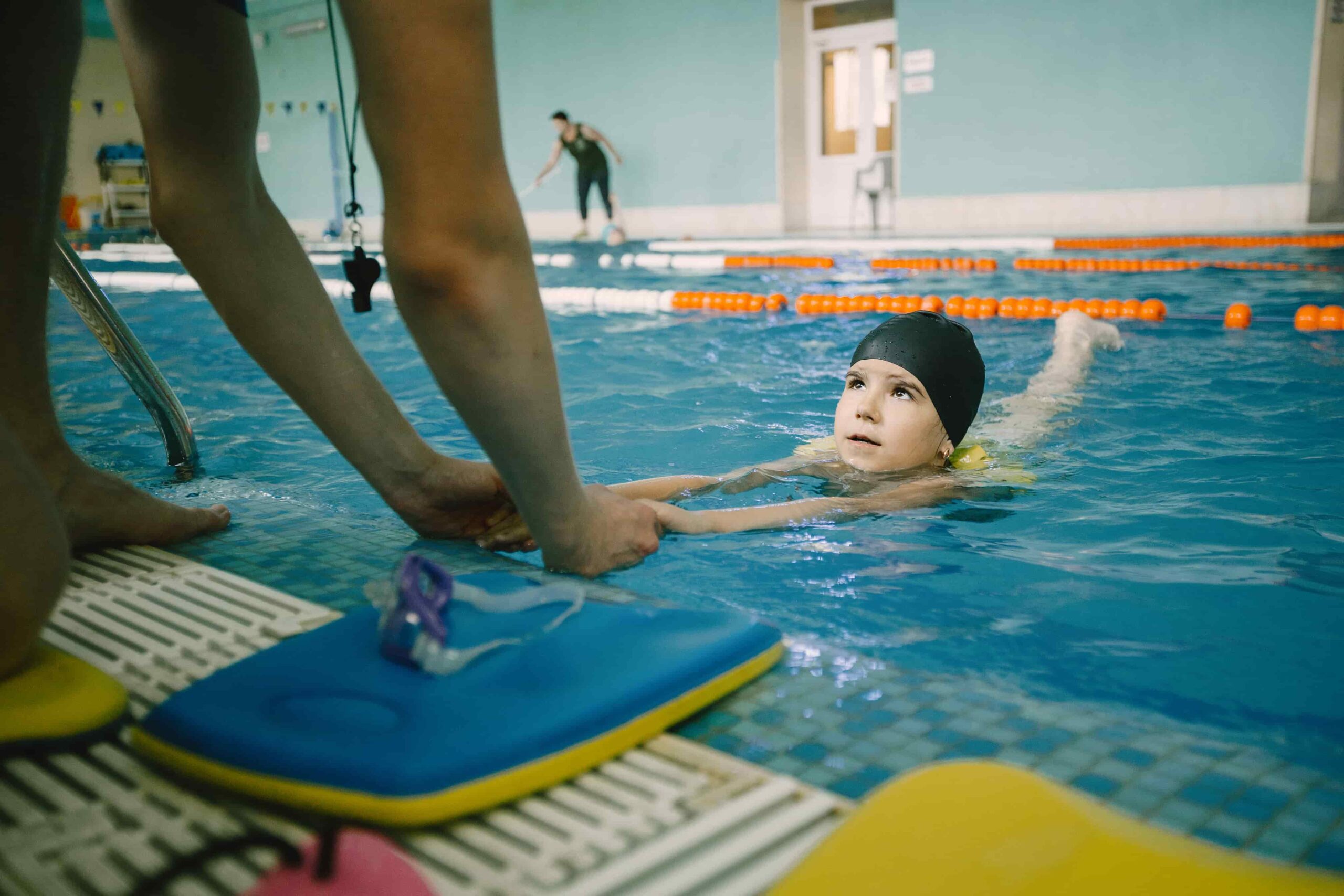
- For Children: Designed to help young students become acquainted with water without fear and develop their motor skills , Children’s Swimming Lessons lay the foundations of swimming styles through gamification techniques.
- Comprehensive Development: For swimmers proficient in all styles , Mixed Swimming training, which combines all four styles , provides comprehensive physical development.
Frequently Asked Questions
- How many swimming styles are taught in a swimming course? Basically, 4 styles are taught: freestyle, backstroke, breaststroke, and butterfly.
- Which style should you start with first? Usually, you start with freestyle, which is the most basic and practical.
- How long does it take to learn butterfly swimming? Depending on your proficiency in other styles, the technique usually settles after 3-6 months of regular training.
- Does backstroke swimming help with a herniated disc? Yes, when done with a doctor’s recommendation and the correct technique, it strengthens the back muscles and provides relief.
- Are breathing techniques taught in swimming lessons? Yes, proper breath coordination, which is the foundation of all styles, is taught from the very first lessons.
- How do the legs move in breaststroke swimming? The legs open outwards, creating a pushing (kick) motion; it’s not a straight stroke.
- Why do I tire quickly in freestyle wrestling? It’s usually due to breath-holding or unnecessarily strong arm pulls; these “energy-saving” techniques are taught in courses.
- What is the order of the individual medley swim? The order in the individual medley is: butterfly, backstroke, breaststroke, and freestyle.
- Can children learn all styles? Yes, but styles are taught sequentially and over time, according to their coordination development.
- Which style burns the most calories? Butterfly style burns the most calories because it requires the highest effort.
- Is it possible to learn swimming styles without goggles? In technical swimming, since the head is underwater, wearing goggles is essential for comfort and correct form.
- What is a dolphin kick? It’s a kick used in butterfly style where the legs are kept together and moved like a dolphin’s tail.
- What should I bring to my swimming lesson? A swimsuit, swimming cap, towel, flip-flops, and swimming goggles are sufficient.
- Is fitness a prerequisite for learning styles? No, fitness will improve as you practice the styles during training.
- How long does styling training take for adults? With 2 training sessions per week, basic styles can be largely mastered within 3-4 months.
- Are fins useful in teaching style? Yes, they are frequently used to understand footwork mechanics and improve water sense.
- Can someone with a fear of water learn to butterfly? Once the fear is overcome and the basic styles are understood, they can learn any style.
- What is a swimming board used for? It’s used to focus solely on leg exercises and provide stability in the water.
- Which style develops the shoulders the most? Butterfly and freestyle, in particular, intensely work the shoulder muscles.
- Is a certificate awarded at the end of the swimming course? Many professional clubs offer certificates or diplomas upon level advancement.
Would you like to take a professional step into the dynamic world of water sports? Let’s schedule a personalized trial lesson to determine which style best suits your goals.