


For anyone wanting to improve their quality of life, achieve a fitter appearance, and discipline their body, the classic question on their mind is: Pilates or fitness? While both disciplines offer tremendous health benefits, which one yields “faster” or “more lasting” results depends entirely on your personal goals, body type, and lifestyle. In this article, we will detail the differences and advantages of both disciplines and how to choose the one that best suits your goals.
Fitness and Pilates: What are the Key Differences?
Fitness generally focuses on increasing cardiovascular endurance and developing large muscle groups through hypertrophy (muscle growth). Weight training, running, and high-intensity interval training (HIIT) are central to this category. If your goal is to gain volume quickly or burn a lot of calories, fitness takes center stage.
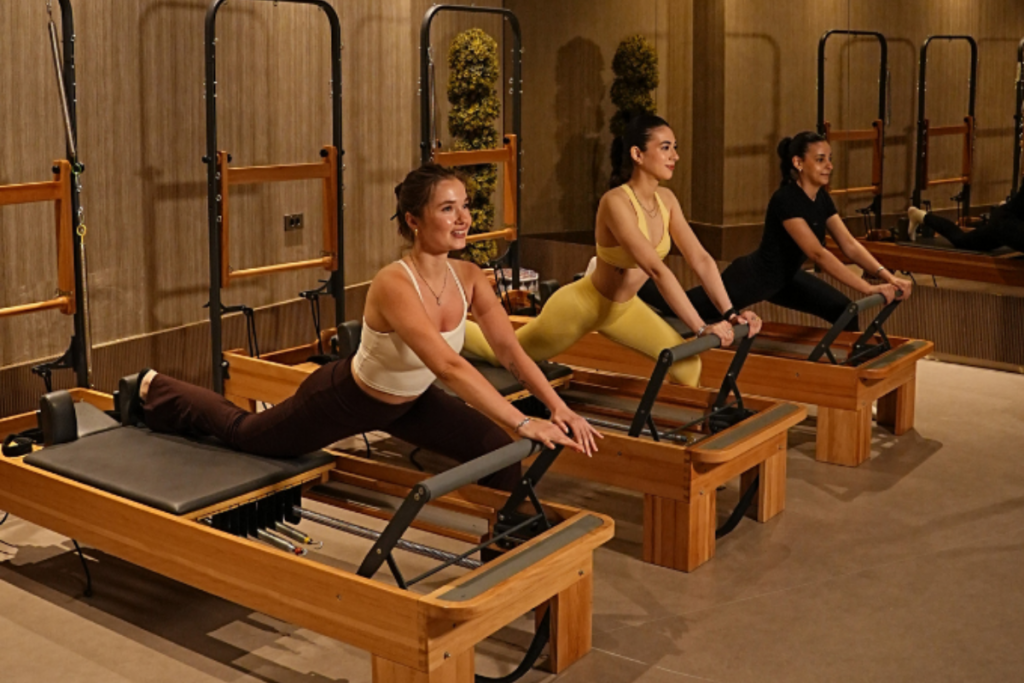
On the other hand, Pilates is a system that focuses on strengthening the core, increasing flexibility, and improving mind-body coordination. Reformer Pilates , which is particularly critical for spinal health, uses resistance springs to lengthen muscles and create a slimmer, more resilient silhouette.
Which method gives faster results?
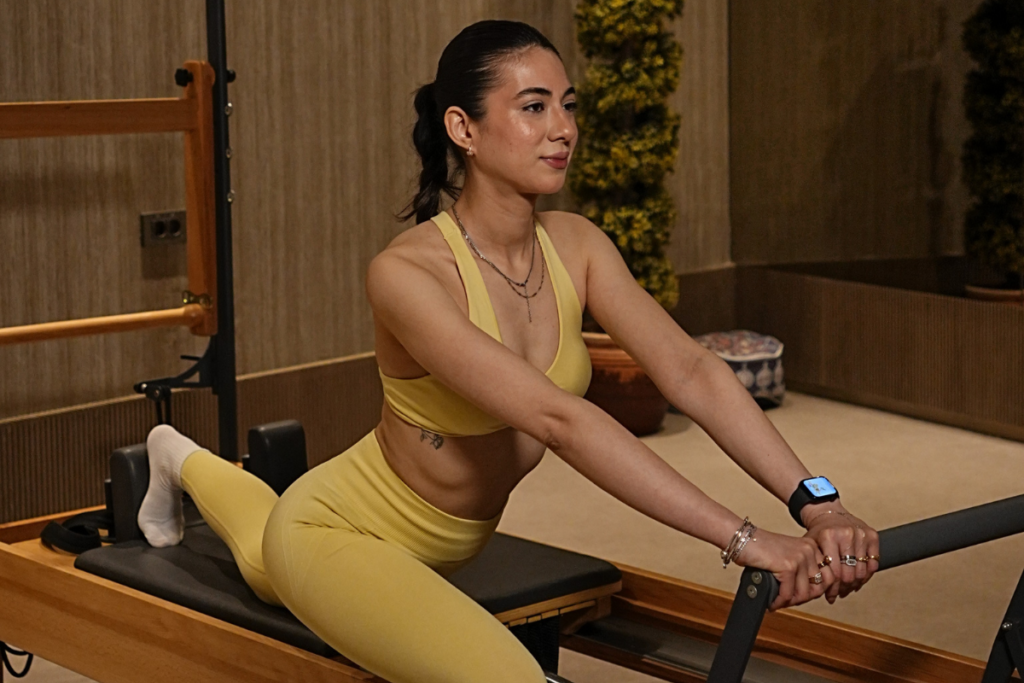
The concept of speed varies depending on what you’re aiming for. If you want the number on the scale to drop quickly and burn calories through sweat, fitness workouts might seem more dynamic at first. However, when it comes to improving posture, tightening the abdominal area, and achieving a “taller” look, Pilates delivers surprisingly fast results.
Many people turn to Clinical (Rehabilitation) Pilates sessions due to joint pain or muscle stiffness experienced during fitness activities . This discipline protects the body from injuries while also providing functional strength. If you enjoy group energy, Group Reformer Pilates Sessions keep your motivation high and allow you to make rapid progress under the guidance of a professional instructor.
Which one offers the advantage in terms of lasting effect?
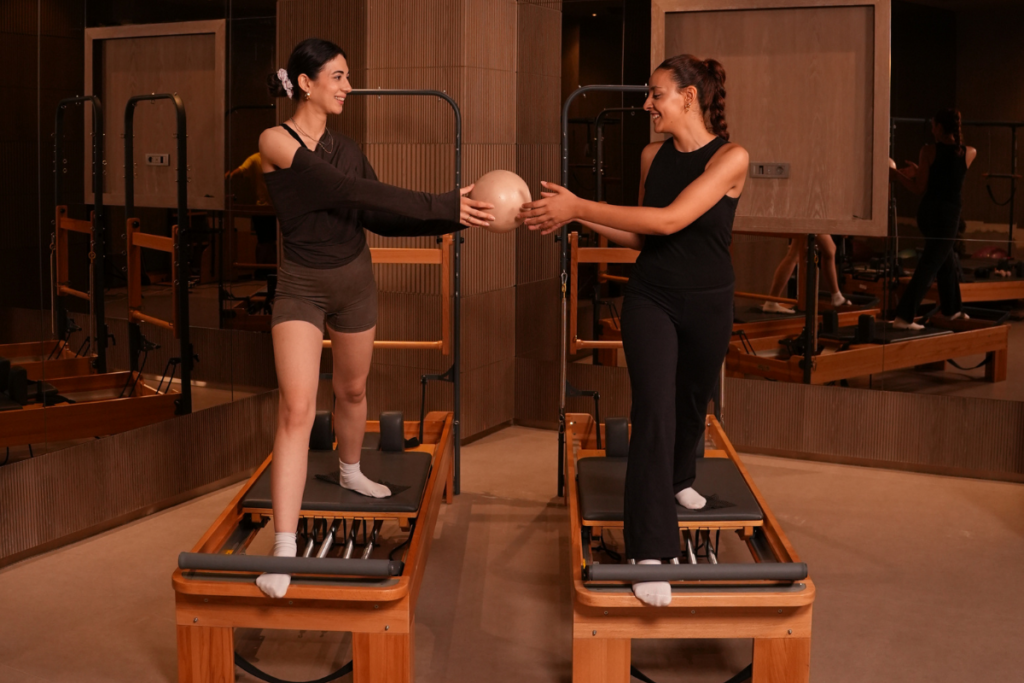
Lasting results are related to muscle memory and sustainability. Large muscle mass built through fitness can quickly lose volume when training stops. Pilates, however, targets “deep muscle” groups, resulting in much longer-lasting and more permanent results. The flexibility and core strength gained by a Pilates practitioner integrates into their daily movements (walking, sitting, bending).
Especially if you have a sedentary job, lifting weights without control in the gym can sometimes trigger back pain. Instead, Posture Correction Sessions administered by experts offer lasting upright posture and a healthy spine. If you want to explore the limits of your body and work with more specific equipment , advanced modules like Wunda Chair Pilates take the permanence of results to the next level.
Various Forms of Pilates and Goal-Oriented Choices
To understand which method is right for you, it will be helpful to look at the different ways Pilates is practiced:
- Mat Pilates: A fundamental discipline where you build resistance using your own body weight. Mat Pilates sessions are a great starting point for stabilizing the core.
- Individual Sessions: If you have a specific injury or prefer the focus to be solely on you, Individual Reformer Pilates is the most effective option. The instructor tailors the movements entirely to your posture analysis.
Conclusion: Which one should you choose?
In conclusion, there is no single winner in the question of “Pilates or fitness?”. If your goal is brute strength and large muscles, then fitness is the way to go; however, if your aim is an aesthetic posture, flexibility, long muscle mass, and spinal health, then Pilates is definitely the choice. Many professional athletes minimize the risk of injury by supplementing their fitness training with Pilates. Remember, the fastest and most lasting results come from discipline that you enjoy and make a lifestyle.
Frequently Asked Questions
1. Can you lose weight with Pilates? Yes, Reformer Pilates in particular supports calorie burning by increasing heart rate and speeds up metabolism by increasing muscle mass.
2. How many days a week should I do Pilates? For effective and lasting results, regular participation at least 2 or 3 days a week is recommended.
3. Does Pilates bulk up muscles? No, Pilates lengthens muscles, not width, helping you achieve a slimmer and taller appearance.
4. Can people with herniated discs do fitness training? In cases like herniated discs, strenuous fitness training can be risky. In this situation, clinical Pilates sessions are much safer.
5. Which is more difficult, Pilates or fitness? Both have difficulty levels. Pilates can be quite challenging at first because it works small muscle groups that you don’t use in fitness.
6. Is there an age limit for Reformer Pilates? No, individuals of all ages can do Pilates with a program suitable for their level.
7. Does Pilates correct postural problems? Absolutely. Thanks to the movements that align the spine, significant improvements are observed in postural problems such as scoliosis and kyphosis.
8. Can I do Pilates while also doing fitness? Yes, it’s a great combination. Pilates provides the flexibility and balance you need for fitness workouts.
9. When will I start seeing results? As Joseph Pilates said: “You will feel the difference in 10 sessions, see the difference in 20 sessions, and have a brand new body in 30 sessions.”
10. Can I do Pilates at home by myself? Mat Pilates can be done at home, but it’s important to work with a professional initially to ensure the movements are performed at the correct angles and to minimize the risk of injury.