

In the world of healthy living, a new trend emerges every era, but some disciplines remain influential even after many years. These days, a question pops up everywhere, from gyms to social media posts: Does Reformer Pilates really offer value for money, or is it just a cosmetic trend? Adults wanting to learn to swim, or parents looking for exercise for their children, are particularly curious about which discipline offers the best investment for their bodies and budgets.
In this guide, we’ll go beyond just a Pilates apparatus and delve into why this discipline is so popular, its scientific foundations, and what it can offer you.
What is Reformer Pilates and Why is it Different?
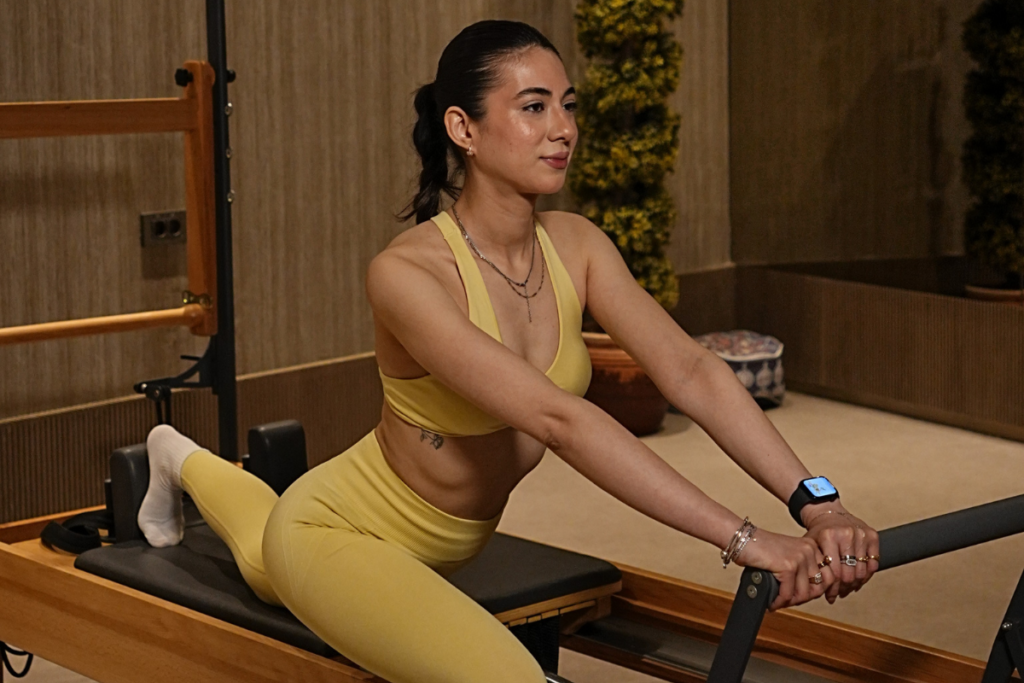
Reformer Pilates, developed by Joseph Pilates, is performed on a special apparatus featuring a movable platform (carrier), springs, ropes, and pulleys. Its fundamental difference from traditional floor exercises is the resistance mechanism provided by the springs. This mechanism works your muscles not only against gravity but also against controlled resistance.
Many people , upon starting Reformer Pilates training, find that their muscles are working at a depth they’ve never felt before. This is due to the device’s need to stabilize the body. If you’re learning swimming styles, there’s a striking parallel between the ability to overcome resistance in the water and managing resistance on a reformer.
4 Key Reasons Why Your Investment Pays Off
1. Personalized Training Experience
While group classes are fun, everyone’s body type and needs are different. Individual Reformer Pilates sessions focus entirely on your posture issues, weak muscle groups, and goals. This personalization means every penny you spend is directly invested in your development.
2. Correcting Posture Problems
“Desk posture” (kyphosis, lordosis), a major problem of the modern age, leads to serious back and lower back pain. Posture Correction Sessions align the spine, pull the shoulders back, and give you a taller, more upright appearance. This is not just a sport, it’s about body architecture.
3. Rehabilitation and Recovery Power
If you have a history of injury or suffer from chronic pain, standard fitness programs may be harmful. Clinical (Rehabilitation) Pilates strengthens your muscles without putting strain on your joints, using physiotherapy-based approaches. This safe approach elevates it from being “just a trend” to a medical necessity.
4. Balance Between Flexibility and Strength
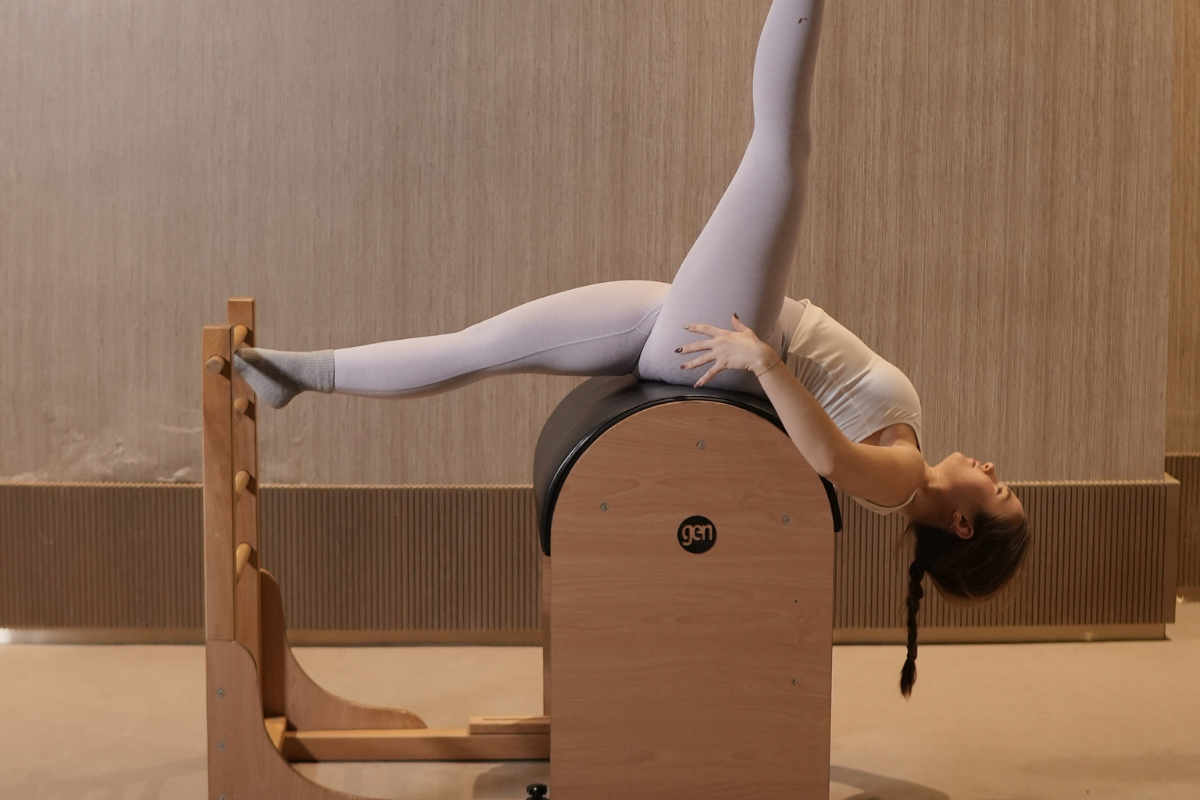
While many sports shorten muscles, Pilates strengthens them by lengthening them. Variations, especially Wunda Chair Pilates , maximize balance and core strength.
Social Dynamism and Motivation
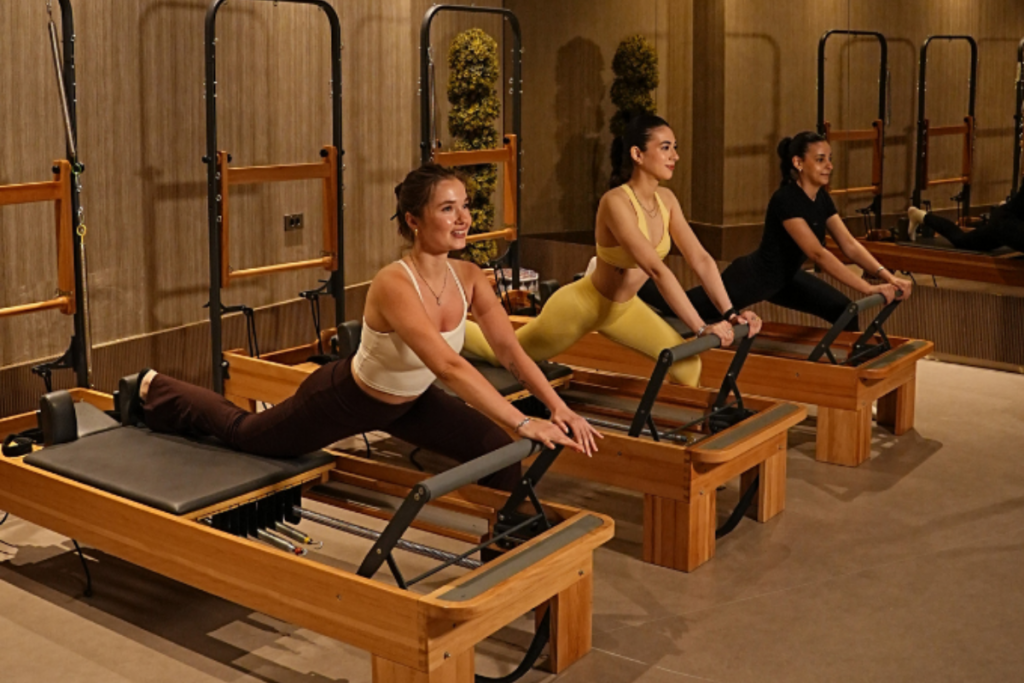
For those who get bored exercising alone, Group Reformer Pilates Sessions offer a great alternative. Working with people who have similar goals increases motivation while also keeping costs down. If you struggle with discipline, the energy of the group will be the driving force that draws you to that studio every week.
Mat Pilates or Reformer?
Many users might ask, “Why don’t I do this at home on my own?” Mat Pilates provides an excellent foundation on its own and teaches you to use your body weight. However, equipment-based Pilates, thanks to its pulleys, increases your range of motion and offers hundreds of different variations you can’t do on a mat. The Reformer provides the benefits of mat Pilates in an accelerated way.
Conclusion: Trend or a Lasting Investment?
In conclusion, if your goal is simply to sweat, any sport can provide that. However, if your goal is to gain body awareness, live a pain-free life, and have a flexible and strong body , Reformer Pilates is definitely an investment worth the money. It’s not a trend; it’s a promise you make to your body.
Frequently Asked Questions (FAQ)
Does reformer pilates help with weight loss? While it doesn’t burn as many calories as direct cardio, it increases your basal metabolic rate by building muscle mass, resulting in a firmer and slimmer body.
How many days a week should you do reformer pilates? For visible results, at least 2 or 3 sessions per week are recommended.
Is there an age limit for Reformer Pilates? No, it’s suitable for individuals of all ages. It’s especially beneficial for posture development in children and for joint health in the elderly.
Can men do reformer pilates? Absolutely. Joseph Pilates, the founder of Pilates, was a man, and the system was originally designed for boxers and soldiers.
Is it safe to do reformer pilates during pregnancy? With your doctor’s approval, exercises specifically modified for pregnancy can be safely performed.
Do I need to be flexible before starting the classes? No, quite the opposite, these classes are for gaining flexibility. You will see your body open up over time.
Can people with hernias do reformer exercises? Clinical Pilates sessions conducted with a qualified instructor are very effective in reducing pain caused by hernias and supporting muscles.
What is the biggest difference between reformer and mat pilates? Reformer uses spring resistance and equipment support, while mat pilates uses only gravity and your own body weight as resistance.
What should you wear to classes? Flexible, sweat-wicking sportswear and non-slip (grip) socks are recommended.
When will I start seeing results? As a famous saying goes: “You’ll feel the difference in 10 sessions, see the difference in 20 sessions, and have a brand new body in 30 sessions.”
Does reformer pilates make you taller? Because it reduces pressure on the spine and improves posture, it helps you stand straighter, making you appear taller than you are currently.
Is it possible to do Pilates with equipment at home? Due to the equipment setup and the need for professional guidance, a studio environment is recommended for your safety and effectiveness.
Is there a weight limit? Most professional reformer machines can safely support up to 130-150 kg.
How long do the lessons last? Sessions generally range from 50 to 60 minutes.
Can I start if I have no sports background? Yes, no sports background is required to start reformer pilates; beginner programs are available for all levels.