

Swimming is one of the most balanced and effective sports for the human body. Because it works the muscles without putting strain on the joints, strengthens the cardiovascular system, and provides mental relaxation, it is considered an ideal activity for people of all ages. In recent years, interest in swimming has been rapidly increasing, both for fitness and health reasons.
So what are the real benefits of swimming? Does swimming help with weight loss, build muscle, increase height, or relieve back pain? Also, which swimming style works which muscle groups and what constitutes proper swimming training are frequently asked questions.
This guide will detail the health effects of swimming, different swimming styles, swimming training processes for adults and children, and choosing the right program. You will also find basic information and the right starting steps for those who want to learn to swim.
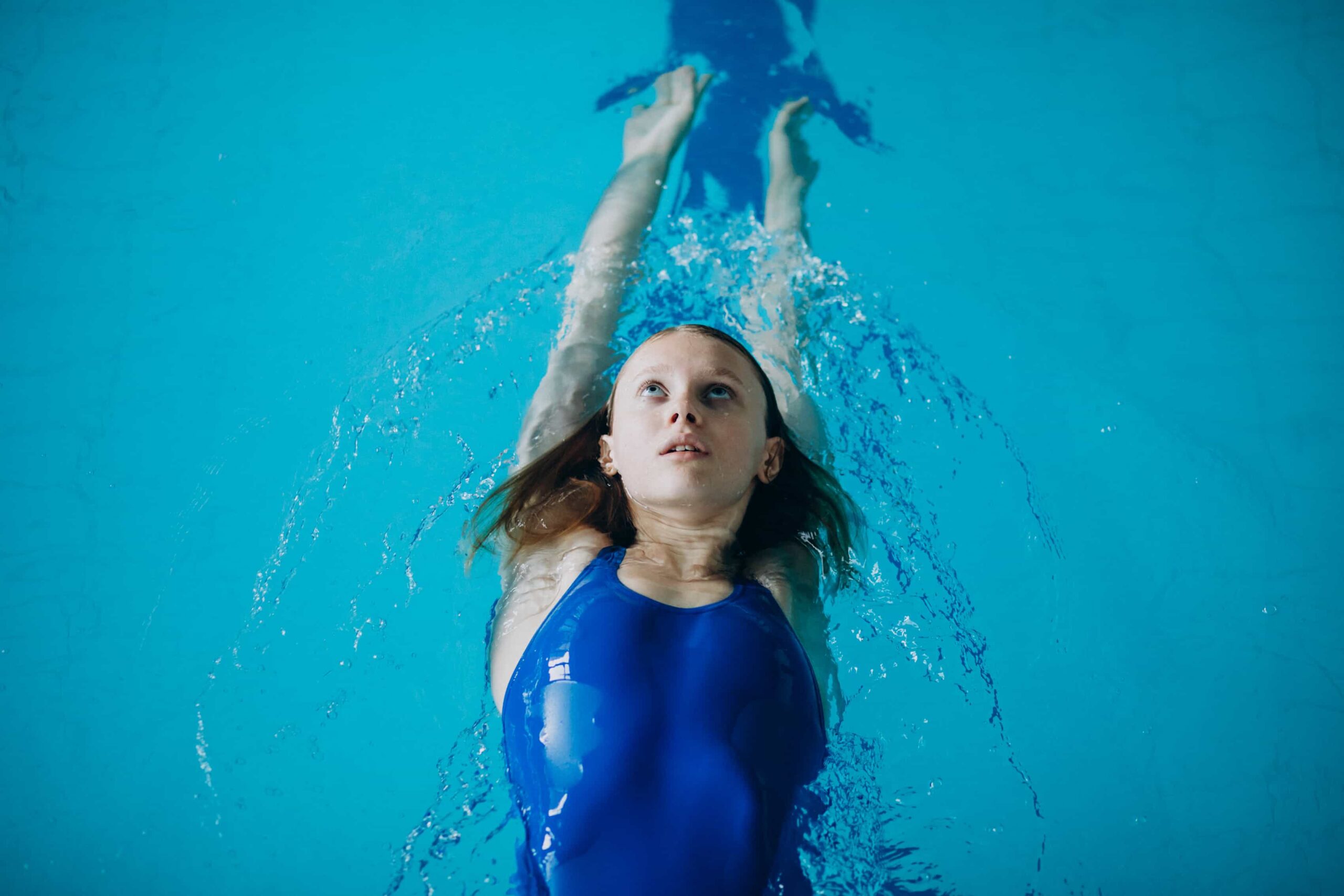
For those who want to start swimming, the first step is usually choosing the right training program. For those who want to begin a professional training process, swimming programs are crucial for both learning technique and safe development.
What are the benefits of swimming?
Swimming is one of the rare sports that works the entire body simultaneously. The movements performed in the water work the muscles in a balanced way while also improving heart and lung capacity. Developing a regular swimming habit has many physical and mental benefits:
- It supports muscle development.
- It strengthens cardiovascular health.
- It helps with weight control.
- It reduces stress.
- It provides flexibility and mobility.
- Increases endurance
- It helps correct posture problems.
Therefore, swimming is not only a sport but also a healthy lifestyle habit.
Does swimming help with weight loss?

Regular swimming training significantly contributes to weight control. Because the body works against the resistance of the water during swimming, energy expenditure is quite high. An average swimming workout can burn between 400 and 700 calories.
Advantages of swimming in the weight loss process:
- It burns fat without putting strain on the joints.
- It works the entire body at the same time.
- It has a high cardio effect.
- It can be done for a long time.
Does swimming build muscle?
Swimming is a sport that particularly promotes functional muscle development. Water resistance ensures that the muscles are constantly working. The main muscle groups that develop through swimming are:
- shoulder muscles
- back muscles
- abdominal muscles
- leg muscles
- hip muscles
Therefore, swimming promotes balanced physical development.
Does swimming make you taller?
Swimming doesn’t directly promote bone lengthening; however, it can indirectly contribute to height growth in individuals during their growth period by improving spinal flexibility and muscle balance. Movements in the water support the natural lengthening of the spine and the balanced development of muscles.
Does swimming help with back pain?
The answer to the question “Does swimming help with back pain?” is yes in most cases. The buoyancy of the water supports the body and reduces the load on the spine. Swimming techniques that strengthen the back and abdominal muscles, in particular, can help reduce back pain. In this regard, backstroke swimming is quite beneficial for back health.
Does swimming improve fitness?
Regular swimming is one of the most effective sports activities for improving cardiovascular capacity. Swimming workouts:
- It increases lung capacity.
- Improves endurance
- It supports heart health.
- It increases energy levels.
Does swimming reduce stress?
Swimming is beneficial not only for physical health but also for mental health. The relaxing effect of water, combined with rhythmic breathing and movement, reduces stress levels. Therefore, swimming also serves as a form of therapy for many people.
Can swimming replace fitness?
Swimming can be a strong alternative to fitness training for many people because it works both cardio and muscle.
Is Swimming a Daily Practice?
Because it is a low-impact sport, swimming can be done daily. However, to allow muscles to rest and maintain performance, 3-5 days a week is recommended.
Basic Swimming Styles
Swimming involves various techniques. Each style works different muscle groups and offers a different swimming experience.
- Freestyle Swimming: Freestyle swimming is the fastest and most popular swimming style, strengthens shoulder and back muscles, and burns a lot of calories.
- Breaststroke: Breaststroke is a rhythmic and controlled swimming style suitable for beginners.
- Backstroke Swimming: Backstroke swimming is beneficial for lower back and spinal health.
- Butterfly Swim: Butterfly swim is a technical and powerful style suitable for advanced swimmers.
- Individual Medley: Individual Medley is an advanced training method that uses all swimming techniques together.
Swimming Lessons for Adults
Learning to swim is possible for adults with the right program and instructor. Adult swimming programs include processes such as getting used to the water, breath control, basic techniques, and style development.
Swimming Lessons for Children
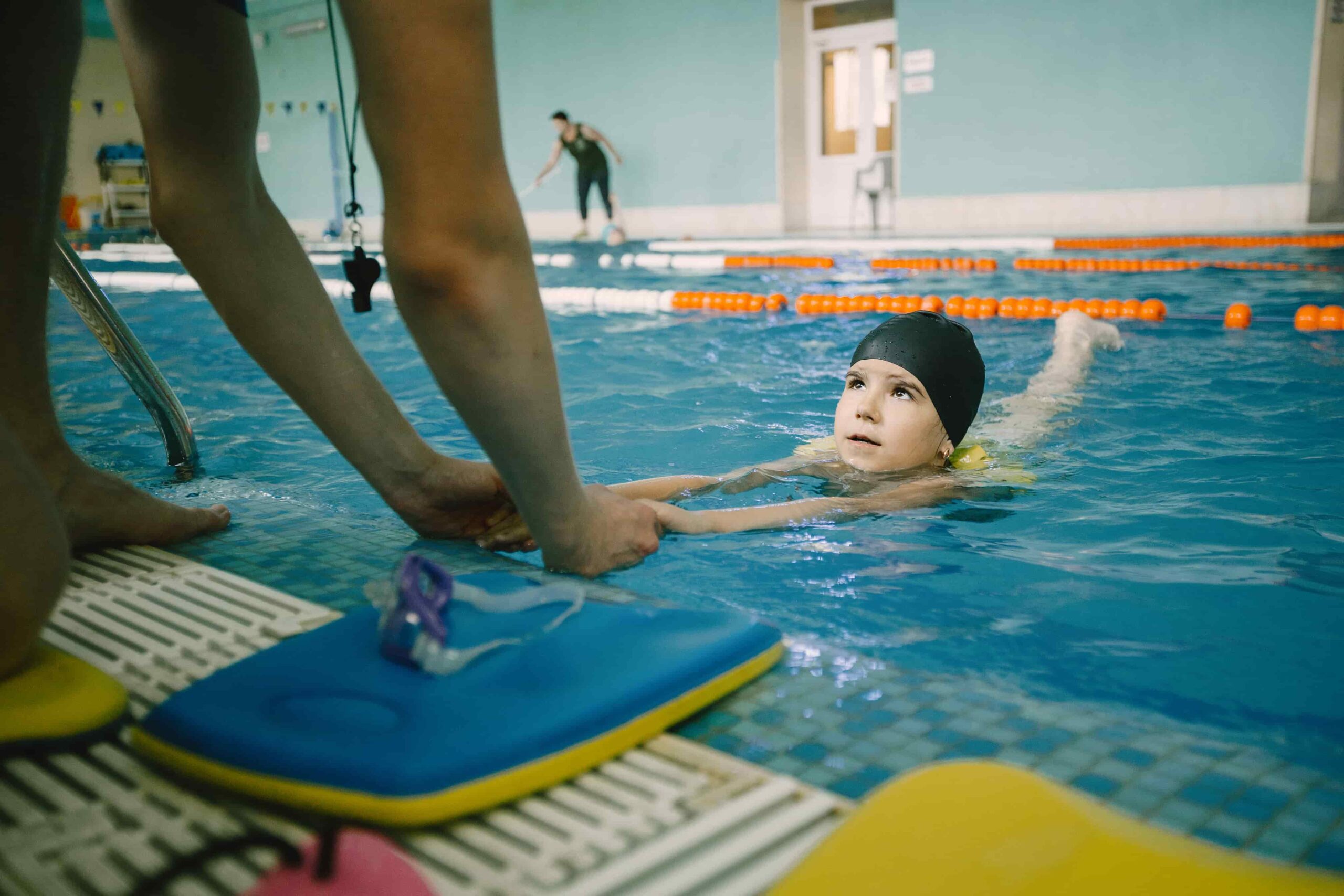
For children, swimming is not just a sport, but a vital skill. Children who learn at an early age become more aware of water safety. Professional Children’s Swimming Lesson programs ensure that children learn to swim safely and correctly.
How to Choose the Right Swimming Program?
Choosing the right program when taking swimming lessons is crucial for your development. Here are some things to consider when choosing a program:
- Instructor experience
- Pool safety
- Education should be personalized.
- Level-based progression system