

One of the most popular steps to take for getting acquainted with water, mastering a new sport, or simply staying in shape is group training. Many people wonder, “What are group swimming lessons like?”, but they’re actually looking for not only technical learning but also a motivating social environment. Group lessons encompass a disciplined and fun process where individuals of similar skill levels come together to explore the dynamics of water under the guidance of an expert coach.
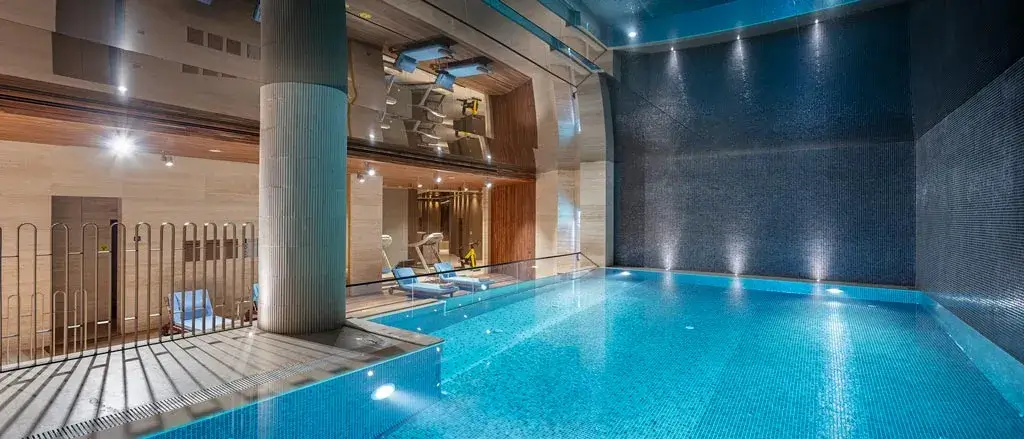
In a professional swimming club, group lessons consist of students whose levels have been assessed and who share common goals, rather than a randomly assembled group of people. This structure both standardizes the learning pace and allows participants to inspire each other.
Level Determination and Grouping Process
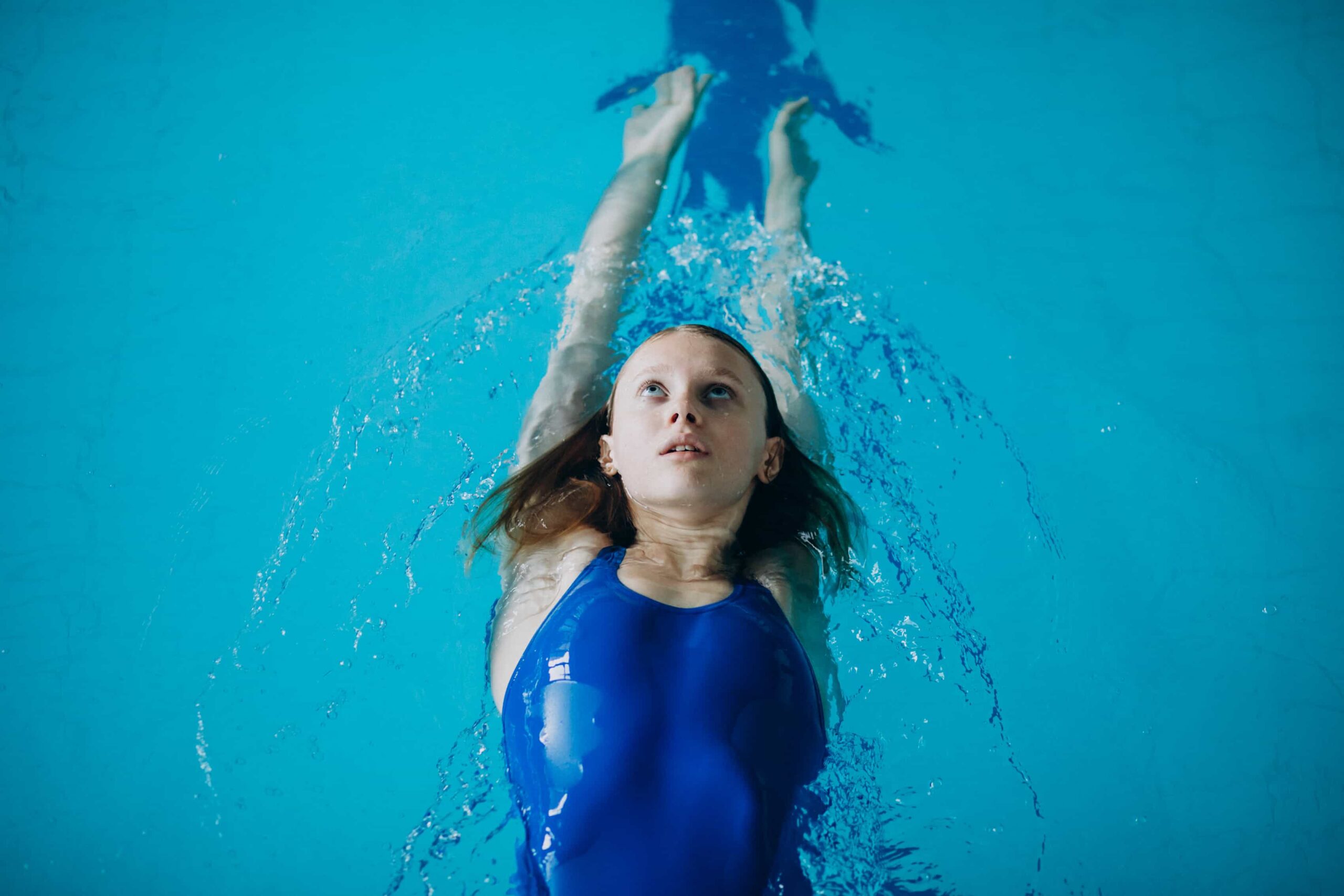
The most important aspect of group classes is placing participants in the correct lanes. Having an adult with no prior water experience in the same group as someone who has only completed the basic level reduces effectiveness. Therefore, a short trial run is conducted with the instructors before the classes begin.
If you have never had any training before, you will be enrolled in beginner groups that focus on overcoming fear of water. Here, fundamental skills such as staying afloat and breath coordination are established. Many parents prefer Kids’ Swimming Lessons programs because they want their children to learn alongside their peers. Through play-based competition within the group, children begin to love the water and accept the rules much faster.
Course Structure and Curriculum

Group classes follow a specific disciplinary framework. A session, typically lasting 45 to 60 minutes, consists of the following stages:
- Warm-up: Light exercises performed by the pool or in the water to prepare the muscles against the resistance of the water.
- Technical Explanation: The coach explains the day’s topic (e.g., arm pull or leg kick) to the whole group both theoretically and visually.
- Procedure: Trainees perform the designated drills (repetitive exercises) sequentially or simultaneously. The instructor walks along the track, providing individual feedback to each student.
- Finishing: Freestyle swimming or cool-down phase where heart rate is lowered and what has been learned is reinforced.
Teaching Styles in a Group Context
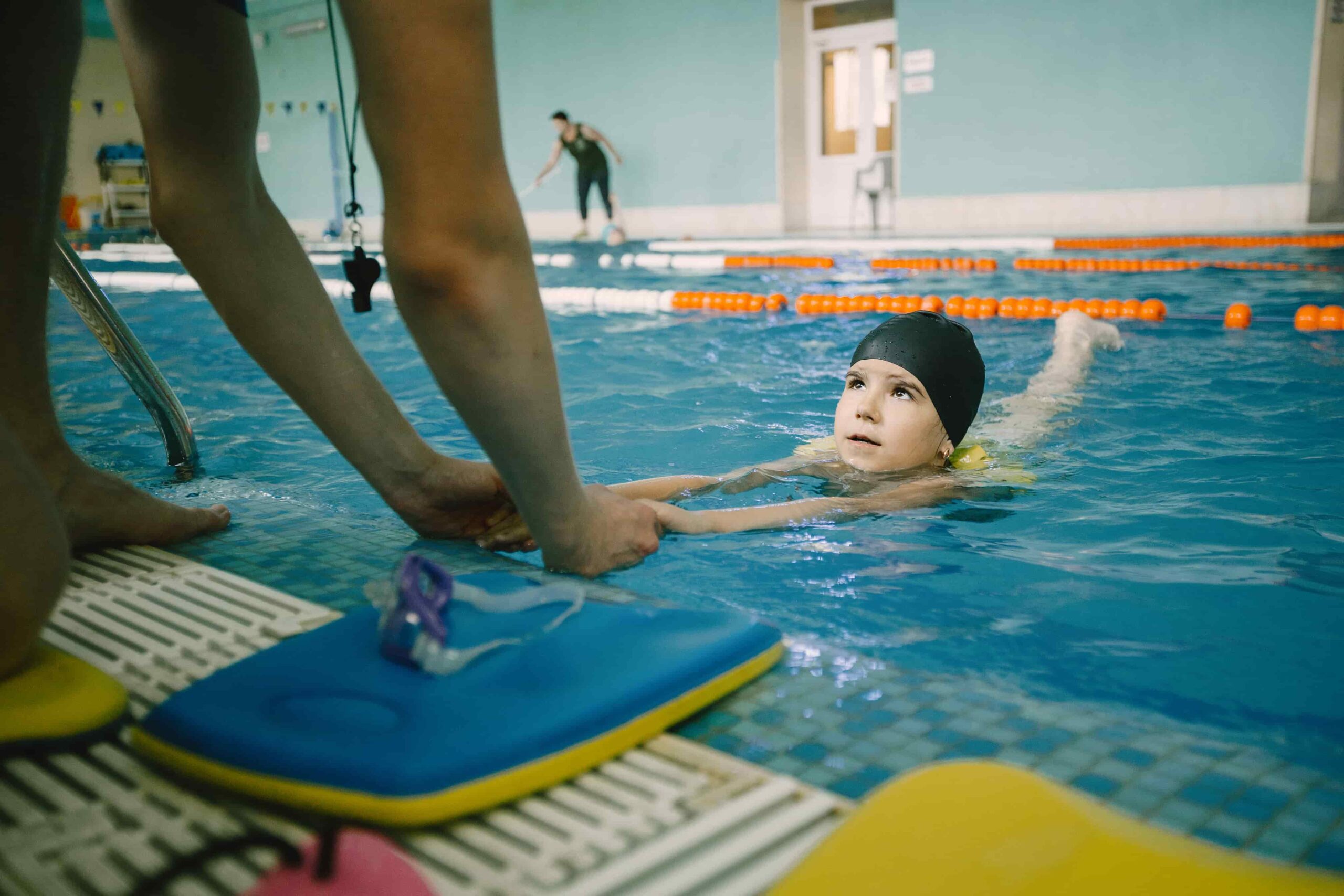
In group classes, the curriculum usually progresses from the most basic style to the most difficult. After working on body position and hydrodynamics in the initial stages, the Freestyle Swimming technique is introduced. The overall pace of the group is the biggest factor determining the tempo of the lesson.
In groups progressing in freestyle swimming, backstroke training begins , where breathing is relatively more comfortable . Interaction within the group helps in more easily grasping technical details (such as spinal rotation). In later stages, breaststroke lessons , where coordination is paramount, are included in the program.
Advantages of Group Classes for Adults
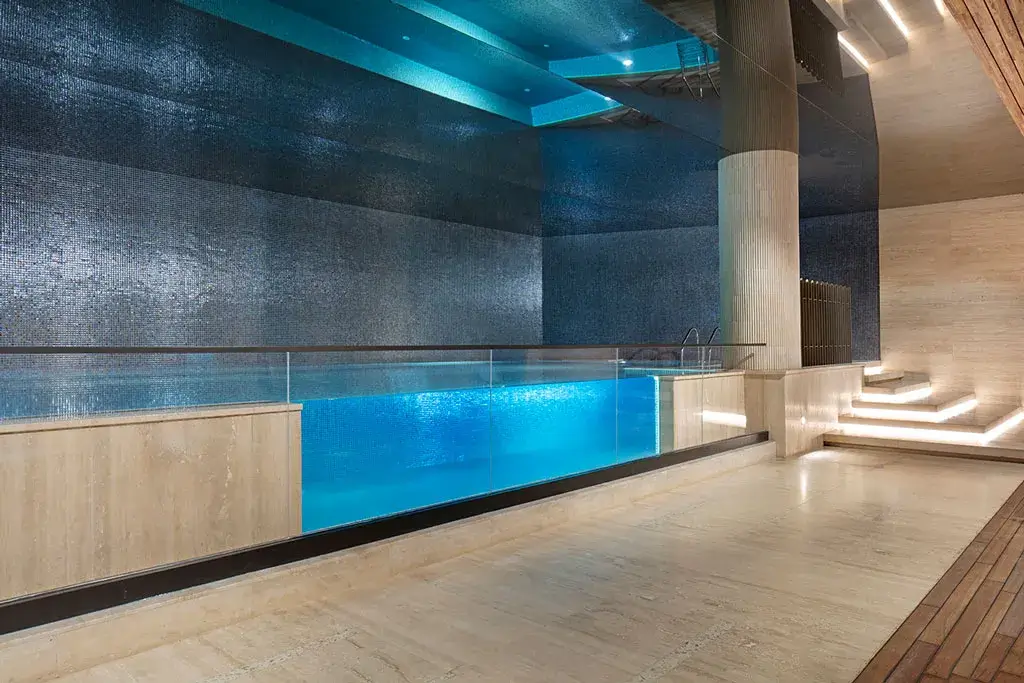
Adults sometimes worry, “Can I do this in a group?” However, adult swimming groups actually have a very relaxing atmosphere because they consist of people who have similar concerns. Listening while someone else corrects their mistake prevents you from making the same mistake.
As endurance increases in group classes, training becomes more complex. Mixed swimming sessions, where all styles are swum in a cycle, bring the group’s overall fitness to its peak. Butterfly swimming , the most challenging technique , is usually taught in advanced groups, accompanied by special technical drills.
Why should you choose a group class?
Group classes are not only more economical in terms of cost, but they also increase sustainability psychologically. While swimming alone can sometimes be boring, running (or swimming) towards the same goal with a group keeps motivation alive. Building a social circle reduces the likelihood of skipping classes and helps you make sports a lifestyle.
Frequently Asked Questions
1. How many people are in a group class? To maintain efficiency, groups are usually kept between 4 and 8 people.
2. What happens if I fall behind the group? Coaches take group differences into account and provide each trainee with modified exercises that allow them to progress at their own pace.
3. Is there an age limit for group classes? Groups are separated by age and level; adult groups and children’s groups are completely separate.
4. Can people with a fear of water participate in group classes? Yes, but initially participating in “Adapting to Water” groups is healthier for overcoming your fear.
5. How long do group classes last? The standard class duration is 60 minutes, including warm-up and cool-down.
6. Do the class days and times change? The schedule of the group you register for is fixed, which helps you develop a regular exercise habit.
7. Are all styles taught in group classes? Yes, as the group progresses through the levels, all four core styles are included in the curriculum.
8. Does the group provide the equipment? Technical equipment used in the pool, such as boards and fins, is provided by the club; personal equipment (goggles, swimming cap) is the responsibility of the trainee.
9. Can I join the same group as my friend? If your levels are similar, it is possible to train in the same group, and this can increase your motivation.
10. Is it possible to switch from group lessons to private lessons? You can refine your techniques by switching your program to one-on-one training at any time.
Would you like to schedule a meeting with our professional team to determine the most suitable day and time for you and to enjoy swimming in a social environment?