

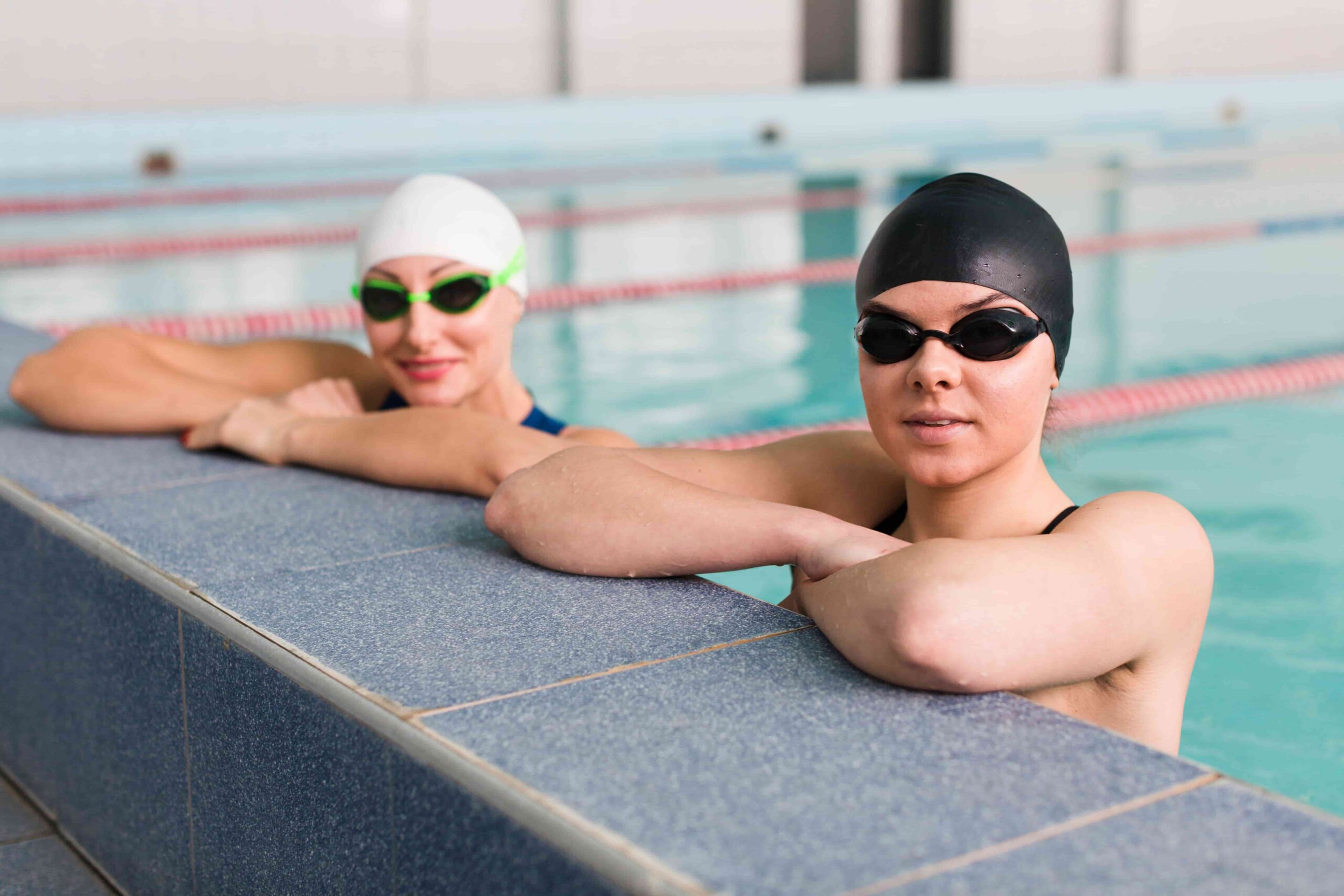
Swimming is considered one of the most natural movements of the human body. Moving in water is not only a physical activity but also a powerful experience that provides mental relaxation. Therefore, interest in swimming courses is increasing every year. For those who want to receive professional swimming training, the right training program, suitable pool conditions, and experienced instructors are of great importance.
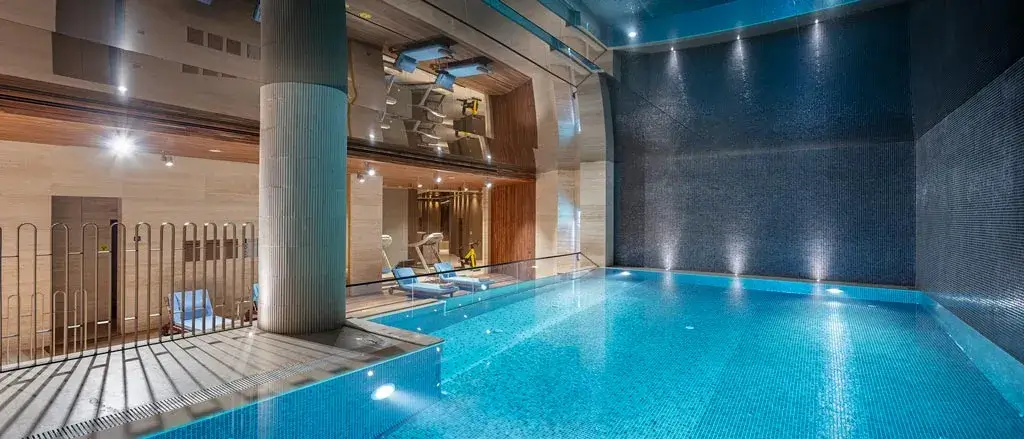
PLTS Club offers a safe, professional, and motivating learning environment for everyone from adults to children who want to learn to swim. In this guide, you can find all the details you need to know about swimming education, from the benefits of swimming and different swimming styles to choosing a swimming course and pool safety and hygiene.
The Benefits of Swimming to Human Health
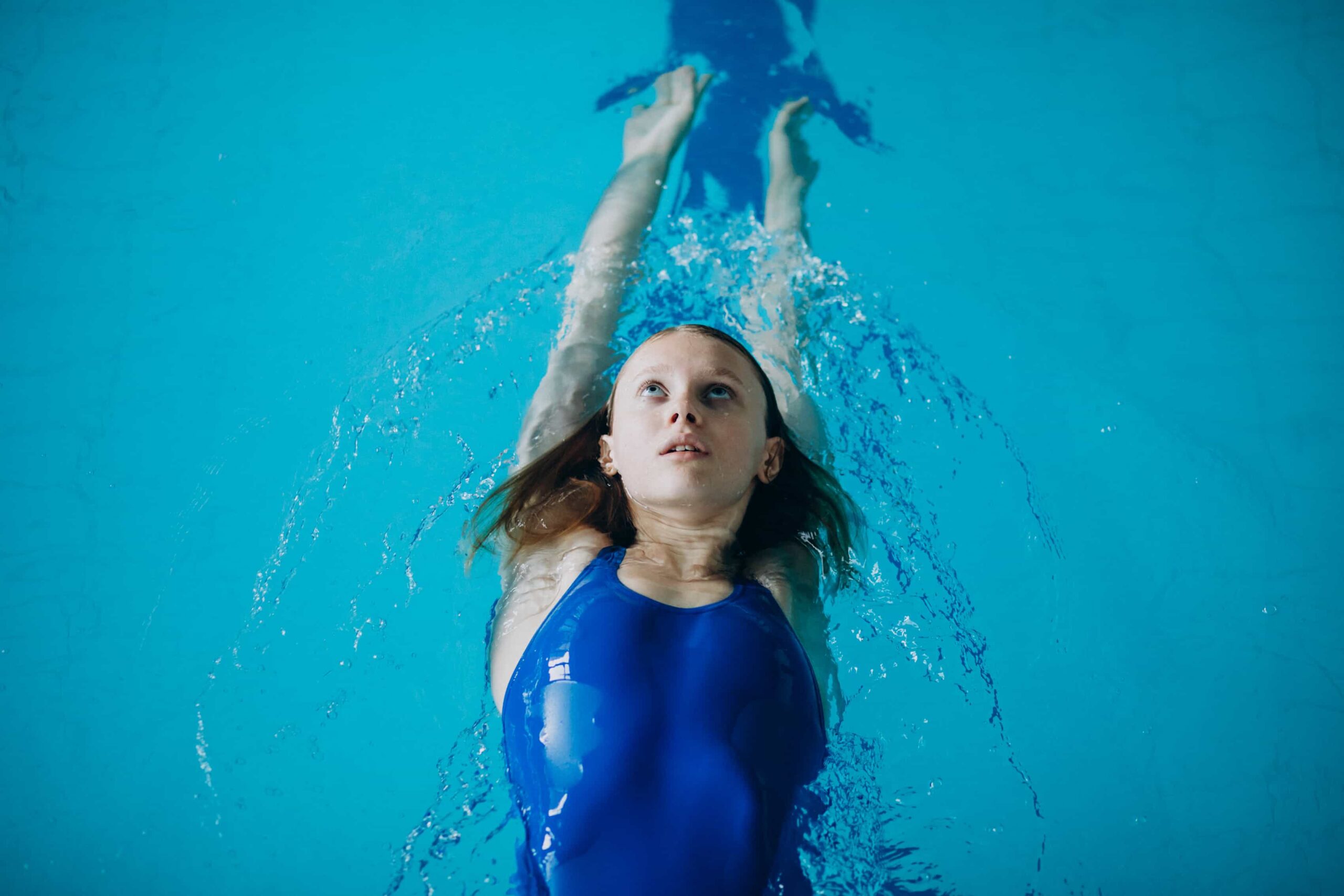
Swimming is one of the rare sports that works all muscle groups simultaneously. Thanks to water resistance, the body develops in a balanced way and places minimal strain on the joints.
- It supports cardiovascular health.
- It increases lung capacity.
- Improves muscle endurance
- It reduces stress and anxiety.
- It helps correct posture problems.
- Supports weight control.
Therefore, regular swimming is an ideal exercise for both athletes and individuals aiming for a healthy lifestyle.
Why should swimming lessons be taken at a professional course?

Many people think they can learn to swim on their own. However, swimming movements learned with incorrect techniques can turn into habits that are difficult to correct later on.
A professional swimming course offers the following advantages:
- Learning the right techniques early on
- Safe learning environment
- Planned progress system
- Individual performance tracking
- Motivation and discipline
Thanks to the professional swimming programs offered by PLTS Club, students can learn the correct techniques in a short time.
Swimming Lessons for Adults
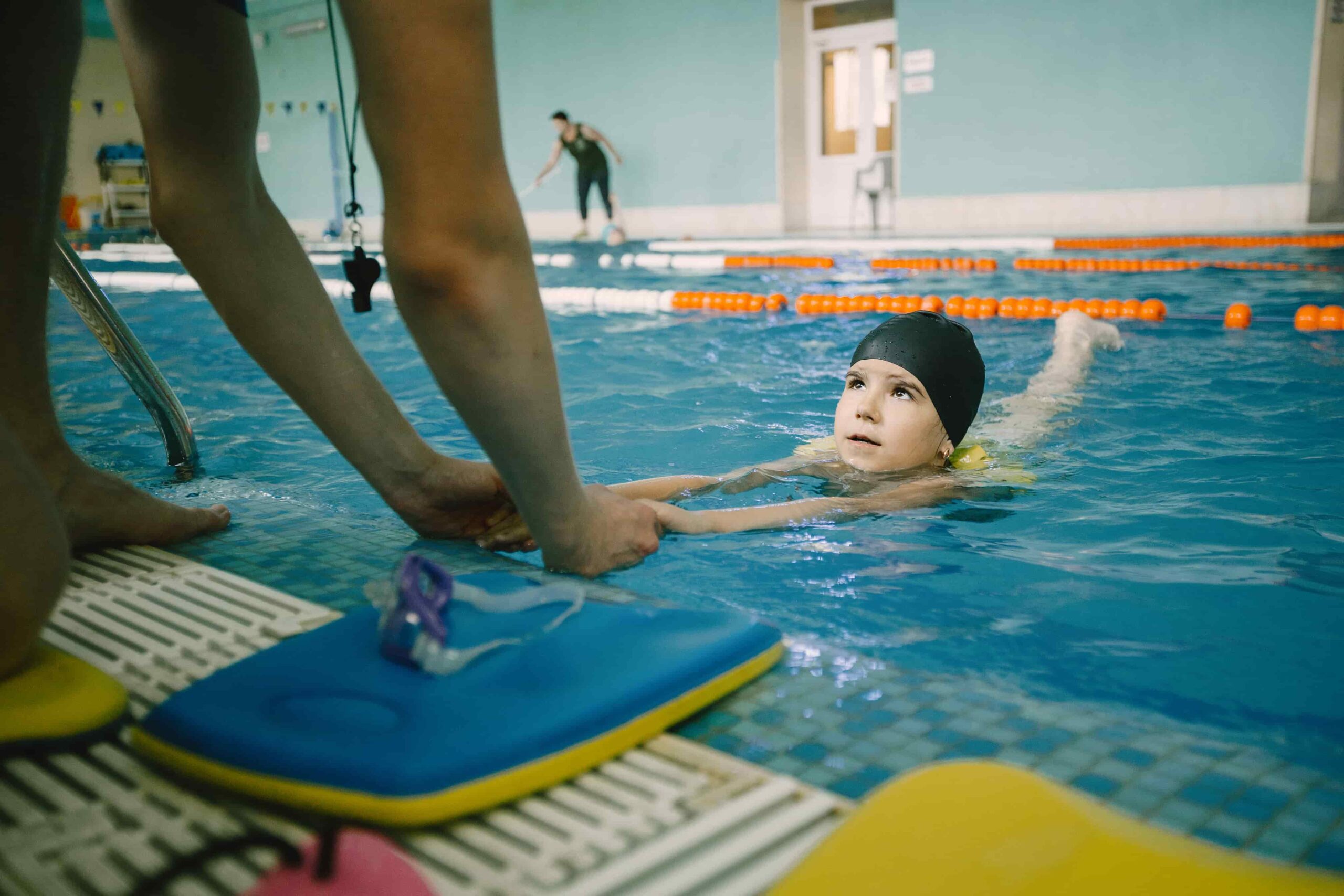
It’s never too late to learn to swim. Today, the majority of those attending swimming courses are adults. Adult swimming programs are particularly effective for individuals who want to overcome their fear of water or develop a healthy exercise habit.
The training process in adult swimming courses generally consists of the following stages:
- Water adaptation and breath control.
- Basic swimming techniques
- Improving coordination
- Switching between different swimming styles
During this process, instructors create a progress plan based on the students’ pace.
Swimming Lessons for Children
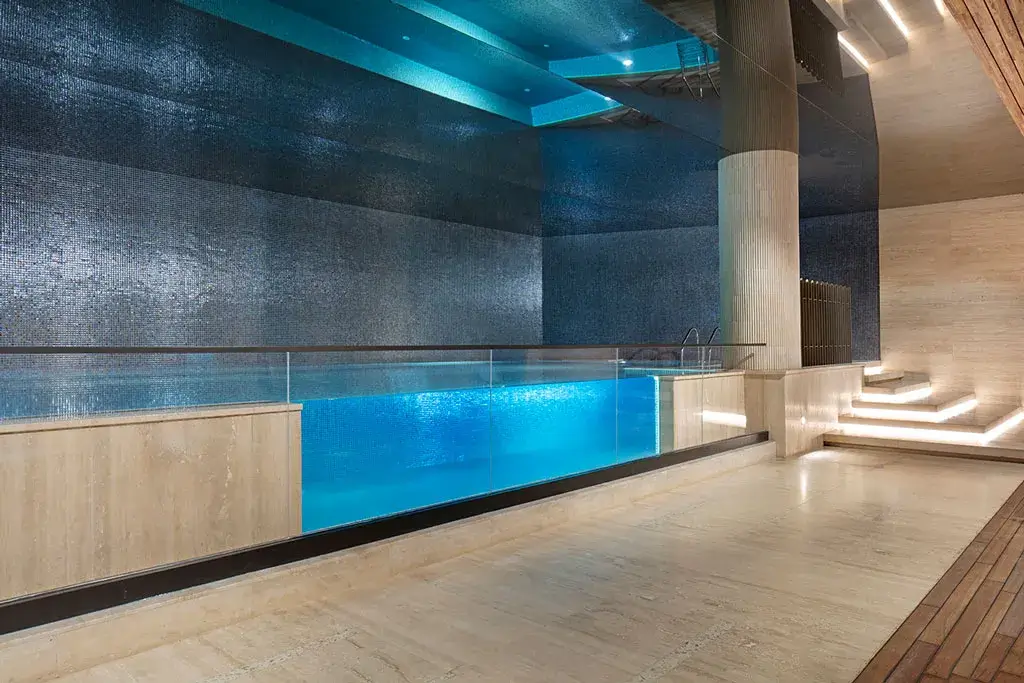
The ideal time to learn swimming is during childhood. Children adapt to water more easily and their motor skills develop rapidly. Therefore, children’s swimming lessons taken at an early age provide great advantages for their physical and mental development.
- Coordination development
- Muscle and bone development
- Water security awareness
- Increased self-confidence
- Social development
Swimming Styles and Techniques
Swimming encompasses many styles with different techniques. These styles offer various advantages for both professional and amateur swimmers.
Freestyle Swimming
Freestyle swimming is the fastest and most widely used style in swimming. It is often one of the first techniques learned in swimming training.
- It has high energy efficiency.
- Suitable for fast swimming.
- It supports the development of coordination.
Backstroke Swimming
Backstroke is a safe swimming technique, especially for beginners. It is known as a very comfortable style in terms of breath control.
Breaststroke swimming
Breaststroke , with its rhythmic movements and balanced pace, is one of the most technical swimming styles.
Butterfly Swimming
Butterfly swimming is one of the most challenging swimming styles, requiring high power and coordination.
Mixed Swimming
Individual medley swimming involves performing four swimming styles in a specific order and is one of the most comprehensive techniques in swimming.
Advantages of Indoor Pool Swimming Courses
Indoor swimming courses allow for regular training throughout the year. The training process continues regardless of weather conditions.
- Constant temperature control
- Education throughout the year
- More stable water conditions
- Comfortable training environment
Outdoor Pool Swimming Course Experience
Outdoor swimming lessons are particularly popular during the summer months. They offer the advantage of natural air and a large open space.
- Spaciousness and ample space
- Natural sunlight
- Social activity environment
Swimming Course Pool Requirements
When choosing a professional swimming course, pool conditions are of paramount importance. A safe and hygienic environment directly impacts the quality of training.
Is the pool hygienic?
Modern swimming pools maintain a high level of hygiene thanks to water filtration systems and regular chemical balance checks.
What should the pool water temperature be?
The ideal water temperature in swimming course pools is generally between 26-28 degrees Celsius. This temperature is suitable for athletic performance.
What is the depth of the pool in meters?
Training pools can have different depth levels. Generally, beginner pools are designed with a depth of 1.20-1.40 meters.
Is the pool safe?
Professional swimming facilities have very high safety standards. These include non-slip surfaces, safety equipment, and regular inspections.
Is there a lifeguard at the pool?
Professional swimming facilities always have certified lifeguards present during training. This is one of the most important aspects of safety.
How to Clean a Swimming Pool?
Pool cleaning is ensured through daily filtration systems, regular chemical measurements, and hygiene protocols.
How many meters long is the swimming course pool?
Professional swimming pools are typically 25 meters long. This length is the ideal standard for training and practice.
Experience Professional Swimming with PLTS Club
PLTS Club swimming lessons make the swimming learning process safe and enjoyable with its modern pool infrastructure and experienced instructors.
- Professional instructor staff
- Hygienic pool system
- Age group-specific programs
- Individual development tracking
Frequently Asked Questions
1. At what age can one start swimming lessons?
Children can generally start swimming lessons from the age of 4-5.
2. Can adults learn to swim?
Yes, it’s possible to learn to swim at any age.
3. How long does it take to learn to swim?
Depending on the individual, basic swimming can usually be learned in 8-12 lessons.
4. How many swimming lessons should be taken per week?
It is generally recommended to do it 2 or 3 times a week.
5. Does swimming help with weight loss?
Yes, swimming is a sport that burns a lot of calories.
6. Is taking an indoor swimming course advantageous?
Yes, it provides regular training throughout the year.
7. During which periods are outdoor pool swimming courses held?
It is usually preferred during the summer season.
8. Is the pool hygienic?
Professional facilities undergo regular filtration and chemical control.
9. What is the pool water temperature?
It is usually between 26-28 degrees.
10. What is the depth of the pool in meters?
Beginner pools are typically between 1.20 and 1.40 meters deep.
11. Is the pool safe?
Yes, it is designed to meet safety standards.
12. Is there a lifeguard at the pool?
Professional swimming facilities always have lifeguards.
13. How to clean a swimming pool?
This is achieved through filtration systems and regular chemical measurements.
14. How many meters long is the swimming course pool?
It is usually 25 meters long.
15. What are the pool requirements for swimming lessons?
Hygiene, safety, appropriate temperature, and professional instructor support.