

One of the biggest urban legends that has persisted for years in the world of sports is that Pilates is an exercise discipline only for women. The aesthetic movements, flexibility-focused exercises, and elegant studio environments may have fueled this perception. However, looking at the other side of the coin, the reality is quite different: Pilates is actually a biomechanical-based strength system designed by a man for men (boxers and soldiers). So, is Pilates only for women today, or is it also suitable for men? Let’s examine this question from a professional and scientific perspective.
The Origins of Pilates: A Man’s Legacy
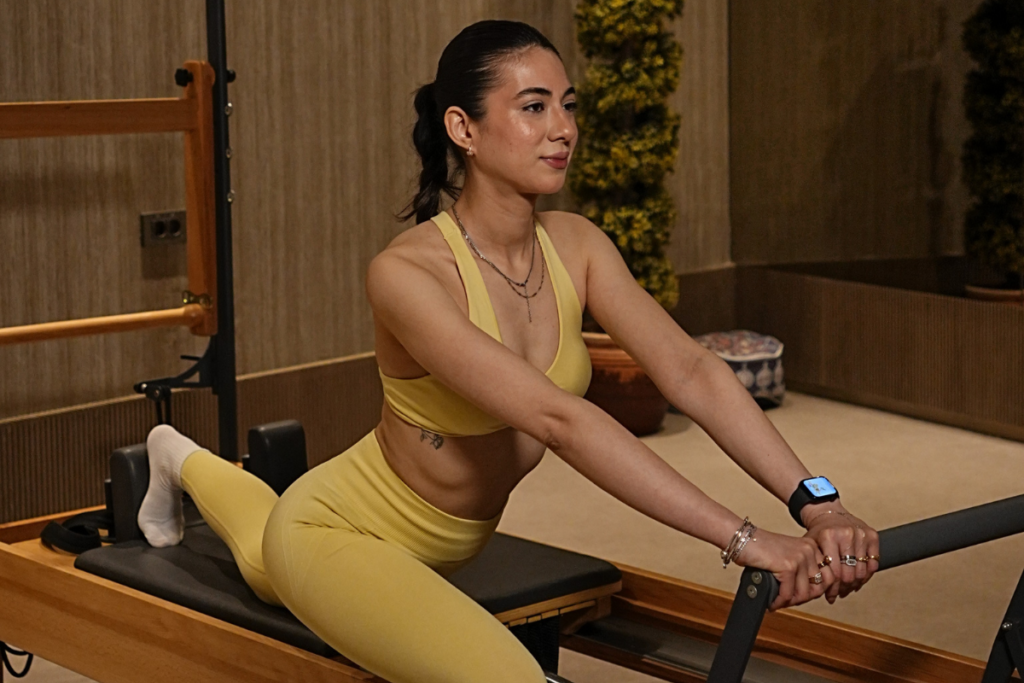
Joseph Pilates, the founder of Pilates, was an athlete who, in his childhood, engaged in bodybuilding, gymnastics, and boxing to overcome health problems. The system he developed during World War I in prisoner-of-war camps, using springs attached to the beds of wounded soldiers, is the ancestor of the Reformer Pilates apparatus we know today. Therefore, this discipline is fundamentally built on rehabilitation and pure strength. The stability and functional strength needed by the male anatomy form the basis of Pilates.
Why Should Men Do Pilates?
The male body is generally prone to heavy workouts (fitness, CrossFit, weightlifting) that focus on “push” and “pull.” This can lead to muscle shortening, reduced range of motion, and chronic pain. Pilates offers men these critical advantages:
- Deep Core Strength: While six-pack abs are popular in gyms, they’re superficial. Pilates works the deepest abdominal muscles that protect the spine.
- Flexibility and Range of Motion: Stiff muscles invite injury. Mat Pilates sessions improve the range of motion of men by stretching their hamstring and gluteal muscles.
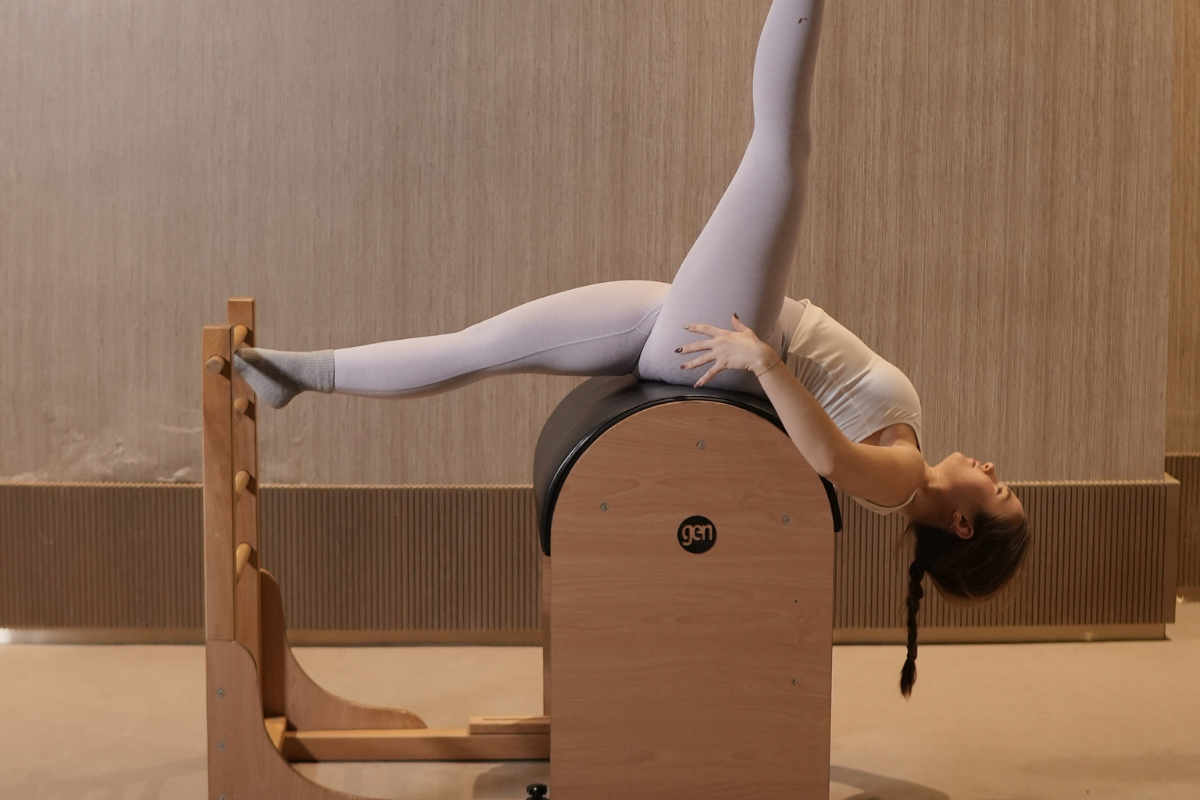
- Balance and Coordination: Complex movement sequences strengthen the connection between the nervous system and muscles. Wunda Chair Pilates exercises, which require balance in particular, take the performance of male athletes to peak.
Posture and Pain Management
Long hours spent at a desk or incorrect weightlifting techniques can trigger herniated discs and postural problems in men. If you have spinal sensitivity or want to return to sports after an injury, Clinical (Rehabilitation) Pilates is the safest option for you. This scientifically based approach repairs the body from the inside out while relieving pain.
On the other hand, for men who care about their appearance but complain about their shoulders drooping forward, Posture Correction Sessions yield great results. An upright posture not only makes you look more confident, but also helps your internal organs function more efficiently and increases your lung capacity.
Which session type is right for you?
If you’re hesitant to join a studio or want to push your limits with a completely personalized program, Individual Reformer Pilates is the most logical option to start with. Your instructor will analyze the strengths and weaknesses of male anatomy and create a curriculum tailored specifically to you.
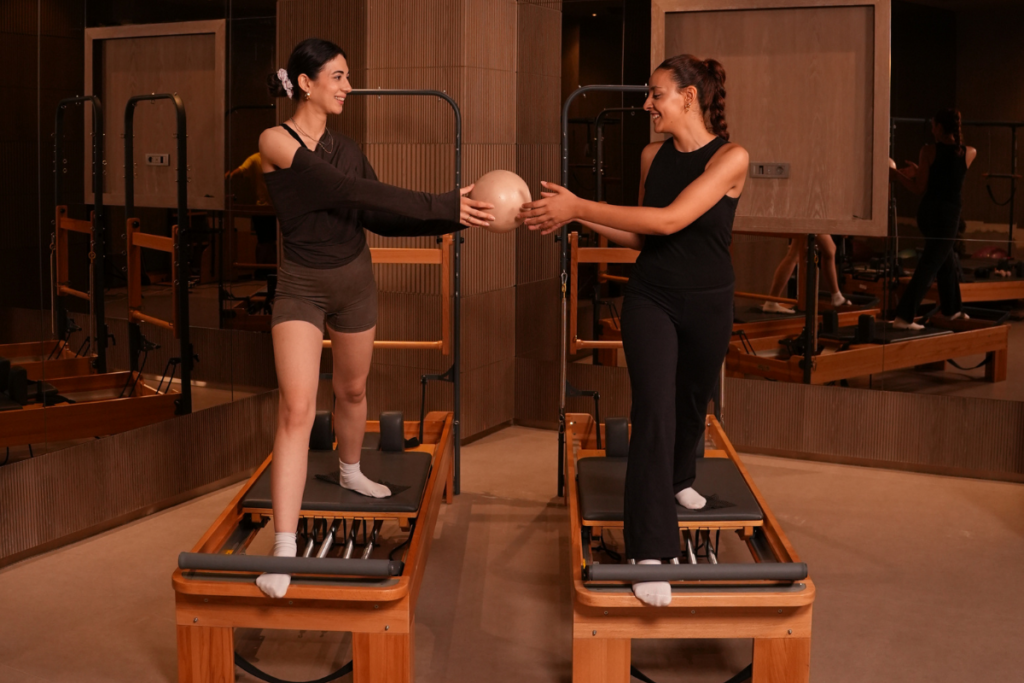
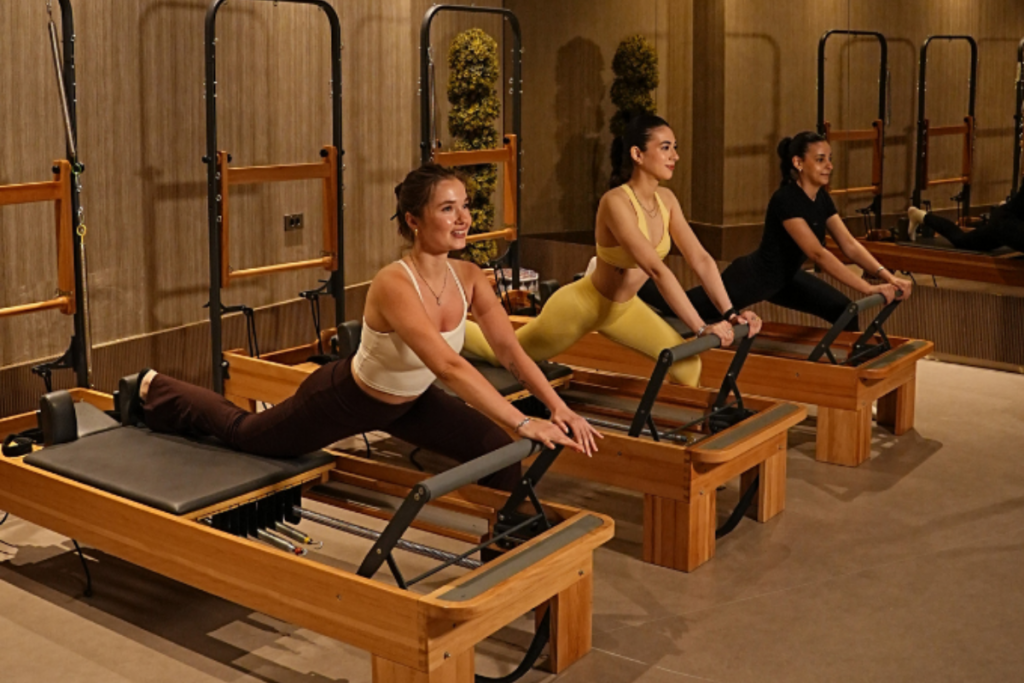
For men seeking a more dynamic and motivating environment, Group Reformer Pilates Sessions are ideal. Working with other participants fosters discipline and a competitive spirit, increasing training efficiency. Today, professional soccer players, basketball players, and swimmers are incorporating Pilates into their routines to improve their performance.
Result: When Power Meets Elegance
The perception that Pilates is a “women’s sport” has been completely shattered by modern sports science. For a man to maintain physical integrity, avoid injuries, and develop true core strength, Pilates is one of the most sensible investments. Flexibility is not a weakness, but the state in which muscles are used most efficiently. If you too want a stronger, straighter, and more flexible body, now is the time to give this discipline a chance.
Frequently Asked Questions (FAQ)
1. Does Pilates build muscle in men? Yes, but it doesn’t bulk up muscles like bodybuilding; it creates a longer, leaner, and more defined muscle structure.
2. Which type of Pilates is better for men? Reformer Pilates is generally preferred because, thanks to the spring resistance, it provides resistance that allows men to utilize their own strength.
3. Does Pilates affect sexual performance? Yes, it has positive effects on sexual health because it strengthens the pelvic floor muscles and increases blood circulation.
4. I’m not flexible, can I still do Pilates? Absolutely. Pilates is designed to improve flexibility; you don’t need to be flexible to start.
5. Can a man with a herniated disc do Pilates? Yes, but it must be done under the supervision of a specialist and with clinically focused programs.
6. Does Pilates help with weight loss? By increasing muscle mass, it speeds up metabolism and tightens the body, creating a slimming effect.
7. How many days a week should I go? If you’re supplementing with other sports, 2 days a week is ideal; if you’re doing it as your main sport, 3 days a week is perfect.
8. I play soccer, what benefits can Pilates offer me? It reduces your risk of injury, improves your sudden maneuverability, and strengthens your center of gravity.
9. Can reformer machines support heavy weights? Yes, professional equipment is quite durable and suitable for individuals with higher body weight.
10. Are the sessions too challenging? The difficulty level of Pilates can be adjusted entirely according to your capacity; it can be challenging for both beginners and advanced users.
11. Does Pilates help lose belly fat? Because it works the abdominal muscles deeply, it is very effective in tightening sagging skin around the abdomen when combined with a proper diet.
12. Is there an age limit? No, men of all ages, from 7 to 70, can do it safely.
13. Mat Pilates or reformer? Men generally find reformer Pilates more motivating due to the sense of resistance that comes with working with equipment.
14. Does Pilates interfere with weight training? No, on the contrary, it helps you perform with more correct form during weight training, thus supporting your performance.
15. What should I wear? A comfortable t-shirt and flexible shorts or leggings that won’t restrict your movements will suffice.