

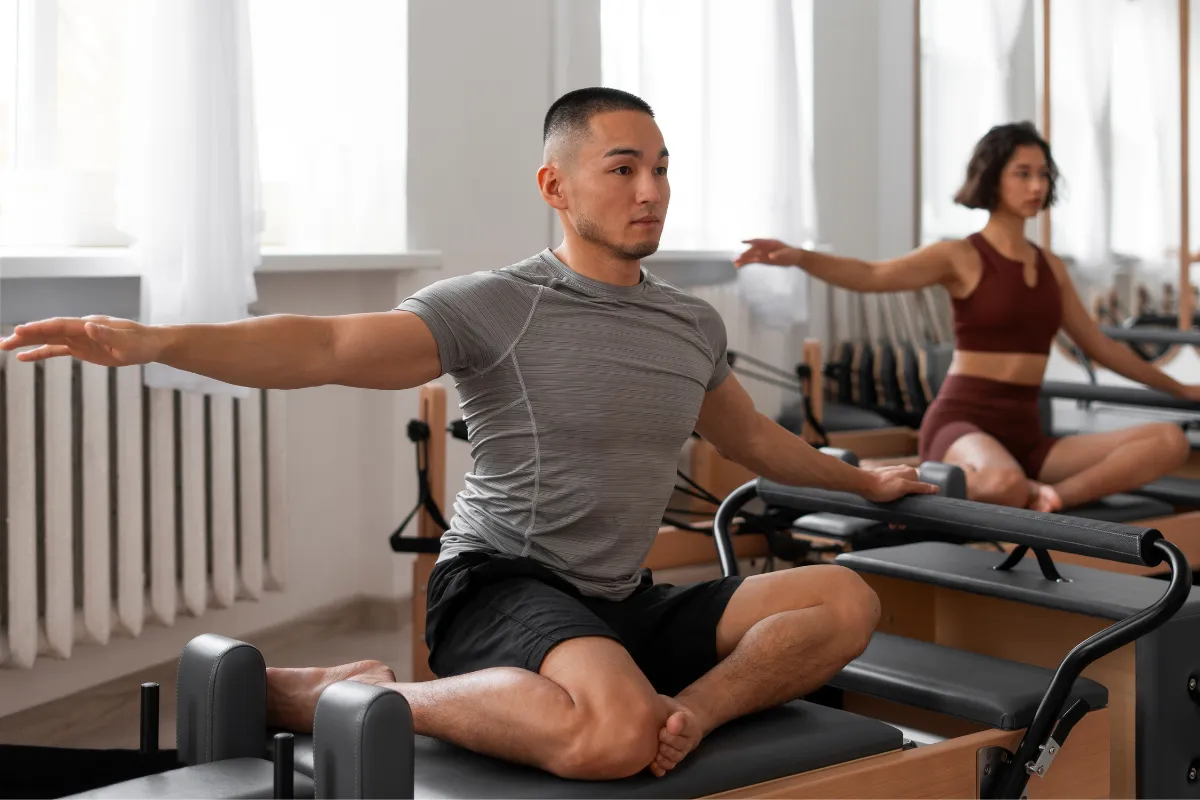
For individuals seeking health and fitness, sports are not a luxury, but a fundamental investment that enhances their quality of life. This is especially true for adults who want to learn to swim or learn different swimming styles, aiming to improve body coordination by overcoming water resistance. In disciplines that synchronize the entire body, such as swimming, Pilates is undoubtedly one of the strongest supporters of improved performance. However, the wide price range you encounter when deciding to start exercising raises the question: Is the most expensive Pilates the best Pilates?
Consumer perception often equates a high price with top-tier quality. However, in the sports and health sector, “best” is measured not only by the price paid, but also by the trainer’s expertise, the quality of the studio’s equipment, and the effectiveness of the personalized program offered.
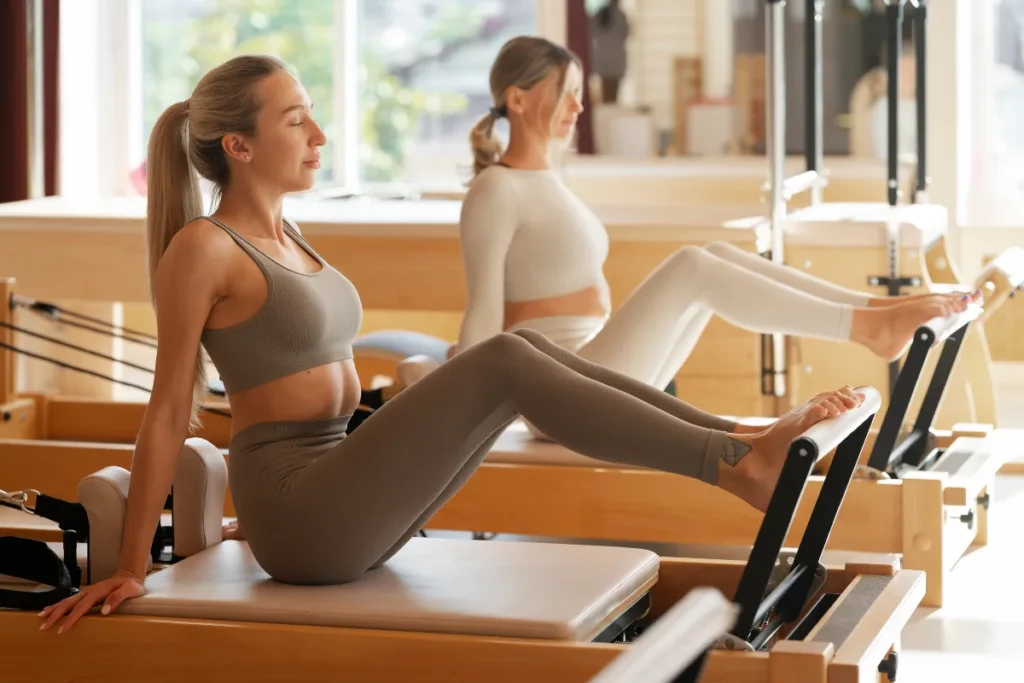
Factors Determining Price: Luxury or Information?
The pricing of a Pilates studio depends on many variables. Being in a prime location in the city, offering valet parking, or luxurious details in the changing rooms can all drive the price up. However, for an athlete, the real value lies not in these luxury details, but in the technical guidance on the mat or equipment.
If you want to protect your spinal health and perfect your posture in the water, your priority should be the content of the Posture Correction Sessions offered, not the studio’s decor . Even the most expensive class, if started without a proper posture analysis and using incorrect techniques, will not be “the best” for you.
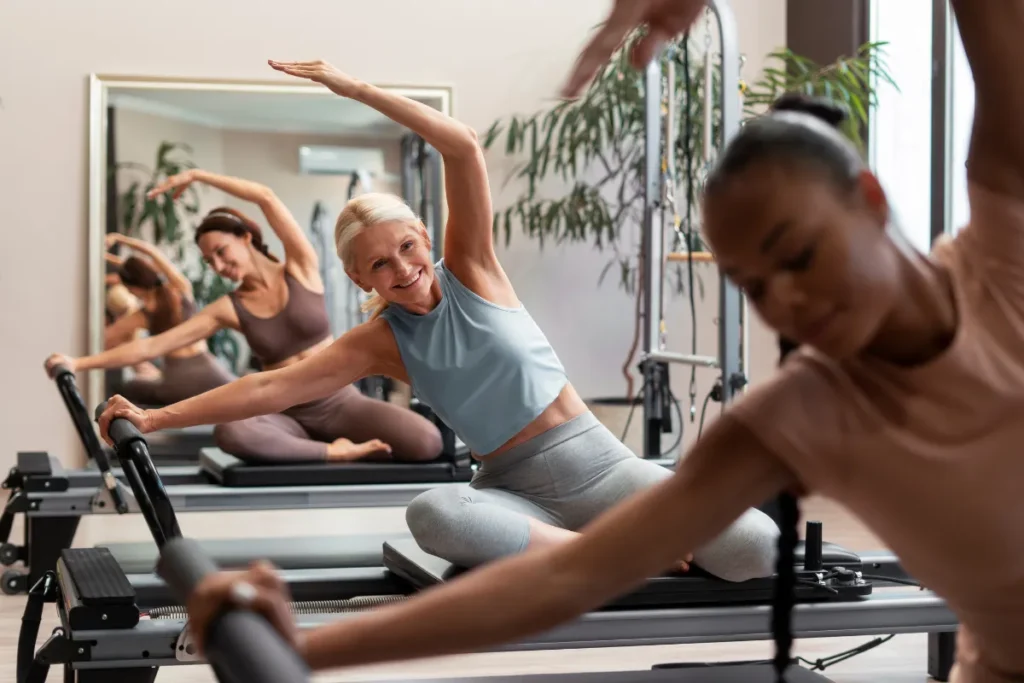
Expertise and Personalization: Where Does True Quality Lie?
The benefits of Pilates are based on performing movements with millimeter precision. This is where the instructor factor comes into play. Working with an instructor who has international certifications and a high level of anatomical knowledge ensures you get more than your money’s worth. Especially if you have a history of injury or want to improve your posture with professional support, you should look for a Clinical (Rehabilitation) Pilates- focused approach rather than a standard class. The cost of these specialized sessions may be slightly higher than general classes; however, this difference is an indication that you are making the “best” choice in order not to risk your health.
In addition, having the instructor’s full attention directly affects your progress rate. Therefore, although individual Reformer Pilates sessions are more expensive than group classes, they are much more efficient because they minimize the margin of error and focus entirely on your needs. The “higher cost” here actually means more efficient use of time and effort.
Equipment Variety and Technology
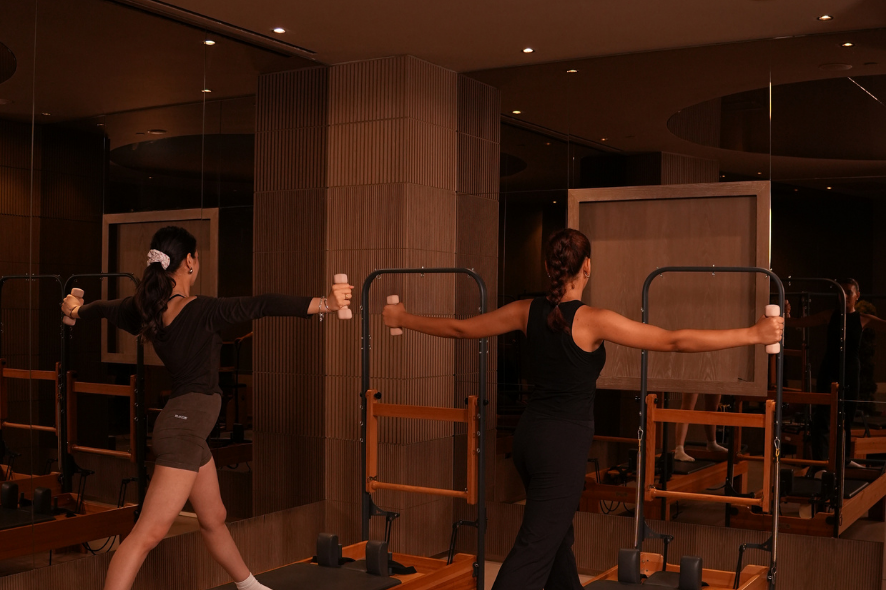
Although Pilates is an exercise that can be done on a mat, the effects of equipment-based workouts are undeniable. The studio’s equipment explains part of the price you pay. In a quality center, it’s advantageous to have not only basic equipment but also specialized equipment like the Wunda Chair Pilates , which challenges and strengthens different parts of the body . A program supported by various pieces of equipment allows your muscles to work from different angles, freeing you from stagnation.
However, it should be remembered that even the most basic exercise, Mat Pilates, can work wonders in the right hands. If you have a limited budget and are looking for the “best” service, a professionally managed mat session without equipment is far more beneficial than an expensive studio with broken equipment or an indifferent instructor.
Group Dynamics and Economic Efficiency
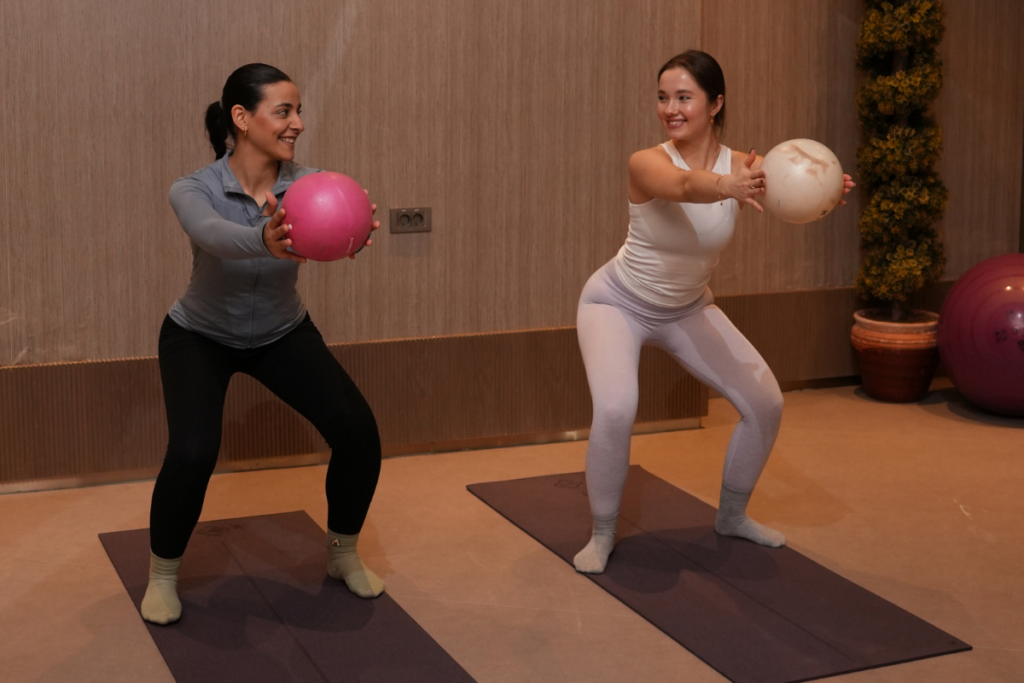
Sometimes the best experience comes from being with people who share similar goals. Group Reformer Pilates sessions provide professional guidance and offer a more economical solution compared to individual classes. For those with busy schedules, such as parents seeking social motivation or swimming lessons for their children , group sessions can be the most logical choice in terms of consistency.
When balancing price and performance, the main factor to consider is whether the “reformer” or other equipment provided by the studio is well-maintained. When doing Reformer Pilates , the quality of the spring resistance and the smoothness of the platform are critical for both your safety and the effectiveness of your workout.
Conclusion: What should you base your decision on?
To understand that the most expensive Pilates isn’t always the best Pilates, you need to clarify your criteria. What constitutes the “best” Pilates studio for you?
- Inspired by the professionalism of its instructors,
- Offering programs tailored to your goals (weight loss, posture correction, improving swimming performance, etc.),
- Prioritizing equipment hygiene and safety,
- It’s a studio that treats you not just like a customer, but like an athlete.
Instead of just looking at the label when investing in your health, the best way is to test the studio’s energy and the instructor’s knowledge by attending trial classes.
Frequently Asked Questions (FAQ)
1. Why do Pilates class prices vary so much? Prices are determined by factors such as the studio’s location, equipment quality, instructor expertise, and the number of participants in the class.
2. Could a very cheap Pilates class be harmful? If the instructor isn’t experienced enough and corrections aren’t done in a large group, there’s a risk of injury.
3. Is reformer pilates more effective than mat pilates? While reformer pilates can work muscles more intensely thanks to spring resistance, the benefits of both are different.
4. Should I take individual or group lessons? Individual lessons are suitable if you have a serious posture problem or injury; group lessons are better for motivation and overall health.
5. What should be the most important criterion when doing Pilates? Definitely the instructor’s knowledge of anatomy and their ability to guide you correctly during the movements.
6. Is an expensive studio necessarily more hygienic? Not always. Hygiene standards are related to business policy and are not necessarily directly linked to price.
7. Which type of Pilates should I choose to improve my swimming performance? Reformer, which strengthens the core, and sessions that increase flexibility are ideal for swimmers.
8. Can children do Pilates? Yes, it can be done under the supervision of a professional to prevent postural problems in children during their growth period.
9. How long will it take for my posture to improve? With regular attendance, you will start to feel the difference after approximately 10-15 sessions.
10. Who should attend clinical Pilates? Individuals with orthopedic problems such as herniated discs in the back or neck, or similar conditions, should attend as recommended by their doctor.
11. Does Pilates help with weight loss? Pilates tightens and shapes muscles. It should be supported by a nutrition plan and cardio for weight loss.
12. Will I find the first lesson very difficult? A professional instructor will modify the lesson according to your level, so excessive difficulty is not expected.
13. How many days a week should Pilates be done? For noticeable changes, it is recommended to do it at least 2 or 3 days a week.
14. How long do Pilates sessions last? The standard session duration is usually 50 minutes.
15. Is a trial lesson important when choosing a studio? Absolutely yes. It’s essential for establishing communication with the instructor and understanding the studio’s atmosphere.