

Our relationship with water is usually based on having fun or cooling off during holidays. However, truly feeling free and safe in the water requires deeper technical knowledge than it seems. Many people think they can learn to stay afloat on their own or with the help of a loved one. But is it really necessary to go to swimming lessons? Or can we perfect this skill on our own?
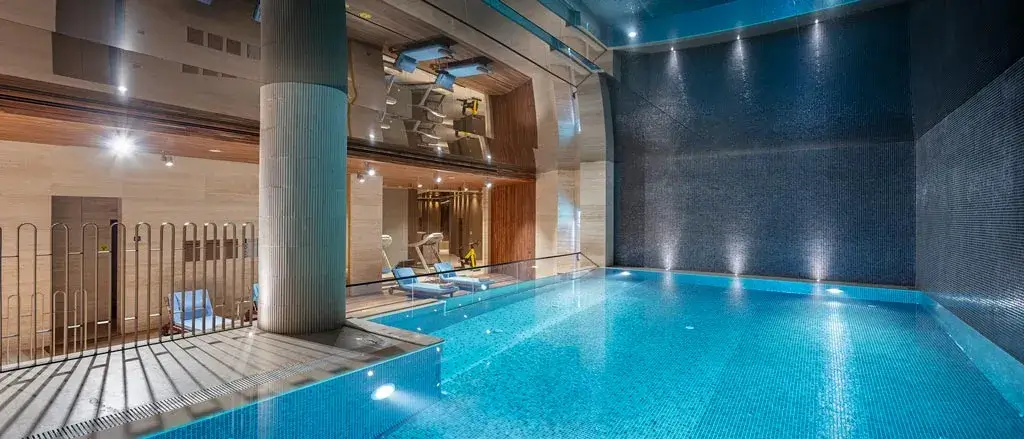
Swimming is a unique discipline where the body moves against the resistance of the water, not gravity. You might be able to stay afloat on your own; however, this doesn’t necessarily mean you’re swimming with the correct technique or that you can protect yourself in an emergency. Professional training will teach you not only how to stay afloat but also how to move in harmony with the water.
The Importance of Professional Training from a Security Perspective
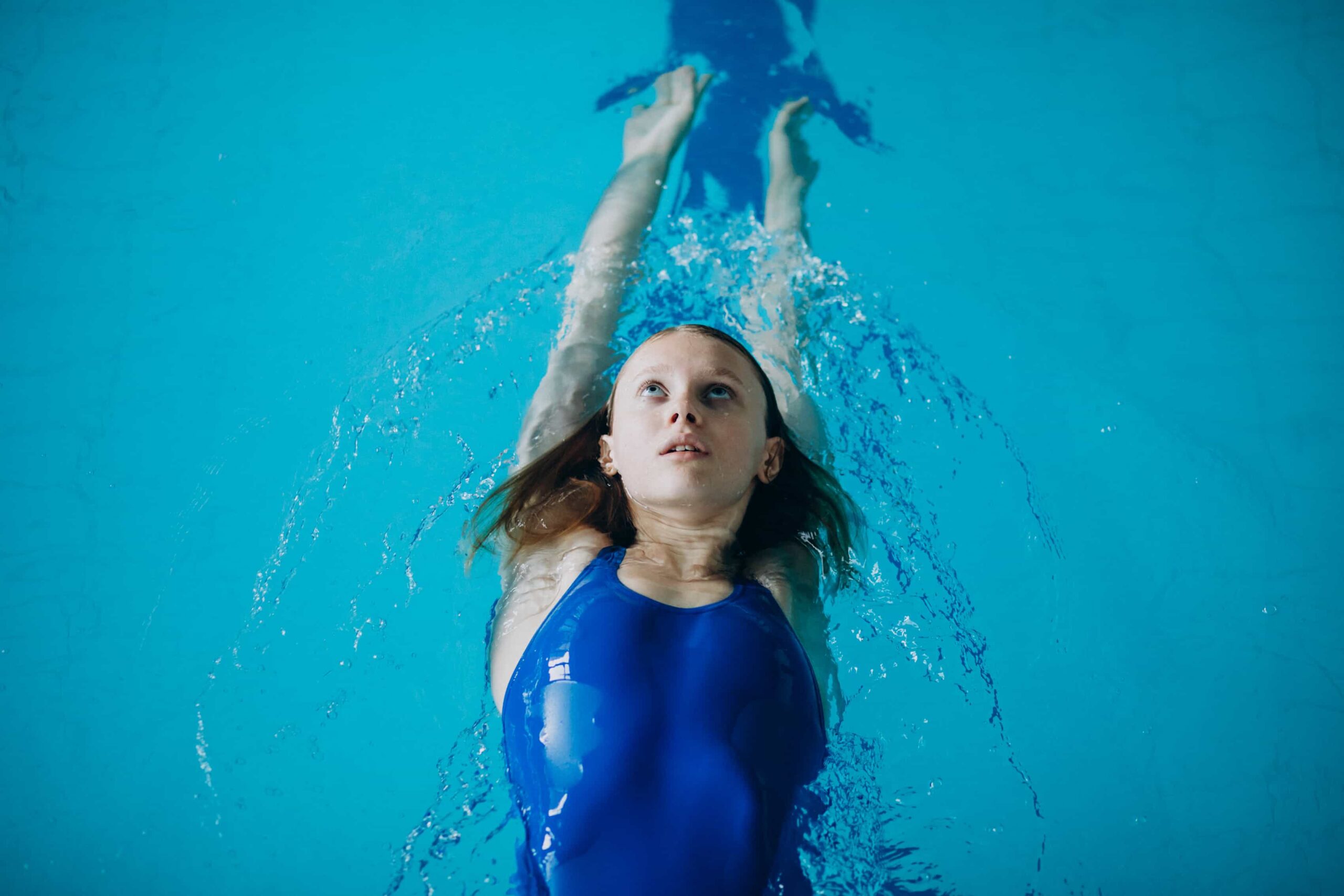
The biggest obstacle in learning to swim is often fear of water or inability to coordinate breathing. A small moment of panic while trying on your own can damage your relationship with water for life. However, professional swimming lessons manage this process with scientific methods. Instructors build your confidence by gradually teaching you the physical principles of being in the water.
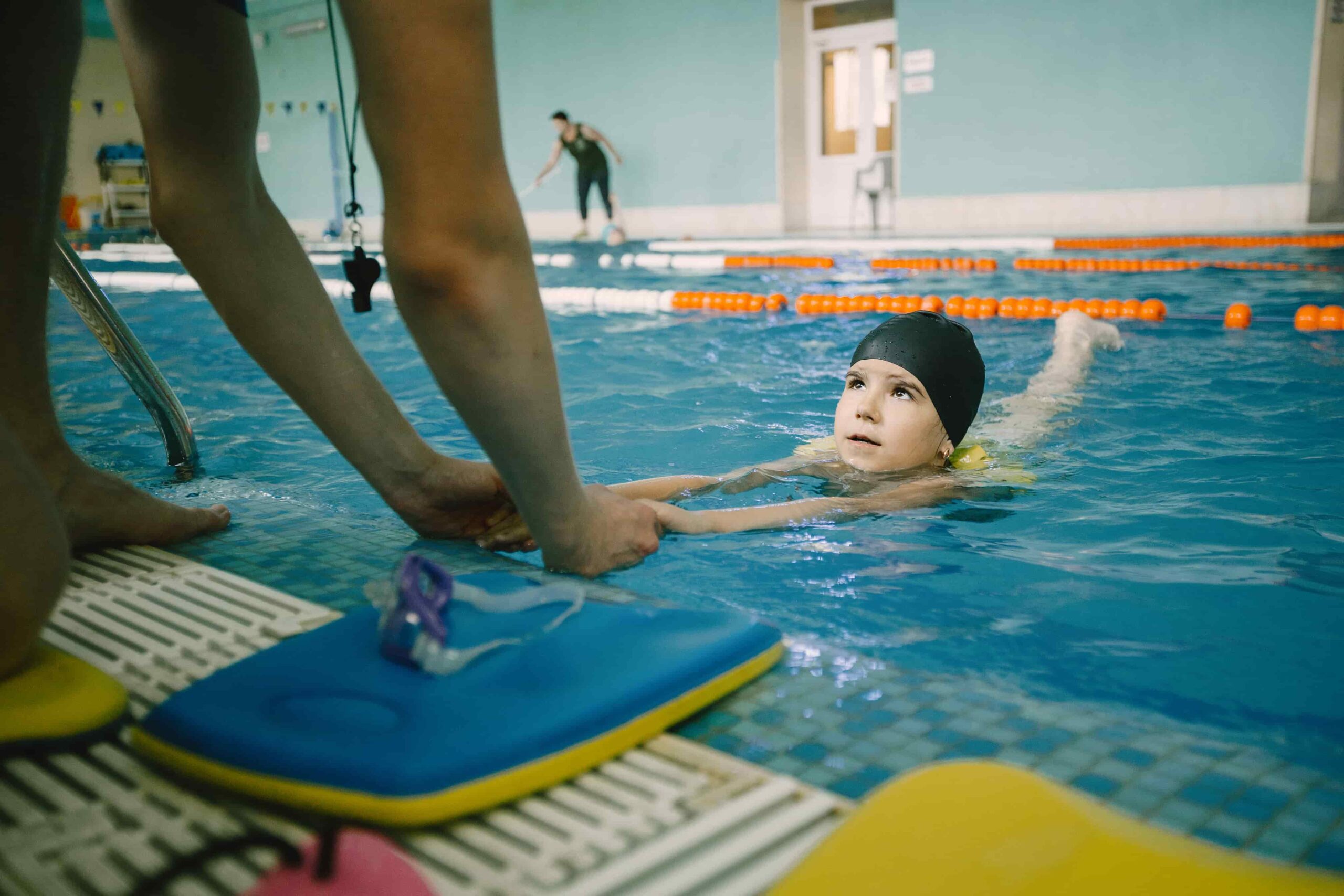
Water safety is a vital issue, especially for parents. Just because a child is in the water with a lifebuoy or armbands doesn’t mean they are safe. A proper Kids Swimming Lesson program teaches children how to survive in the water, how to breathe properly, and how to react in moments of panic. This is a life-saving skill, not just a fleeting pastime.
Preventing Technical Errors

The most common problem for those learning to swim on their own is the “entrenchment of incorrect techniques.” Incorrect strokes or faulty body positioning can lead to long-term injuries to the shoulders, neck, and lower back. When you attend a professional adult swimming course, your coach will correct your posture instantly.
For example, in the most basic style of swimming, Freestyle , breath timing and arm pull angle affect your efficiency by 100%. If you make a technical mistake, you tire very quickly, and swimming becomes a tiring struggle rather than an enjoyable activity. Taking a course helps you manage this energy correctly.
Mastering Styles and Performance
For those who want to take their swimming to the next level, style training is essential. Each swimming discipline works different muscle groups and requires different mechanics.
- Backstroke: This style allows for the most comfortable breath control as the face remains above the water. Backstroke swimming is an excellent choice, especially for correcting posture problems.
- Breaststroke: A rhythmic technique requiring the highest level of coordination. Learning to swim using the breaststroke is the best way to learn how to utilize the resistance of the water.
- Butterfly: A symbol of strength and flexibility. Learning the butterfly stroke without expert guidance is nearly impossible because the wave motion of the body requires precise timing.
- Mixed: Combining all these styles , Mixed Swimming workouts provide full-body performance and high calorie burning.
Conclusion: Why the Course?
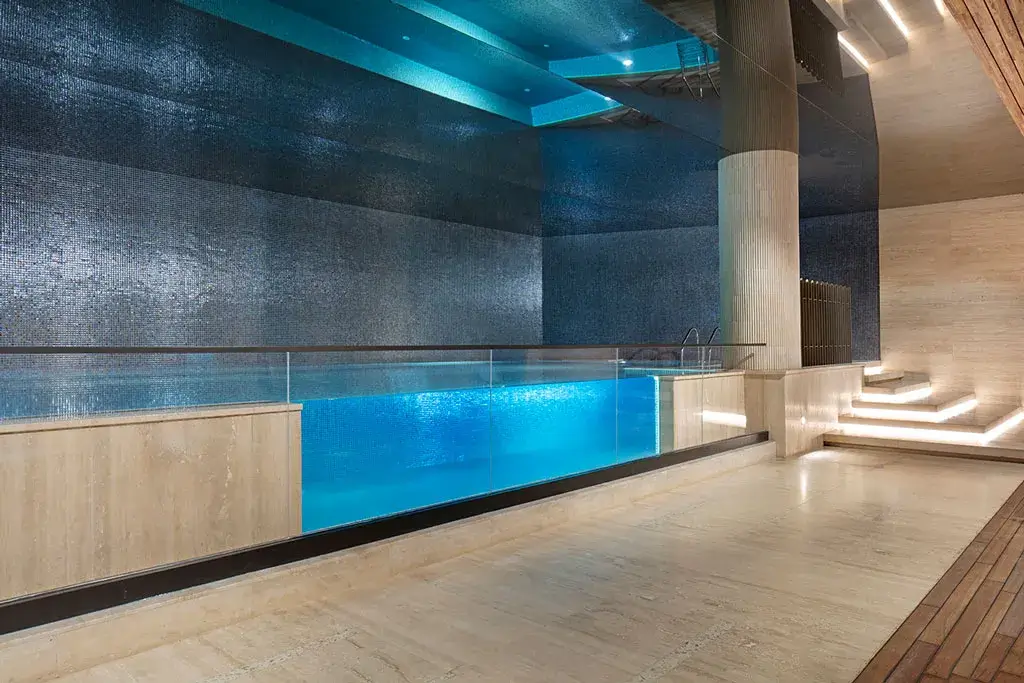
Taking a swimming course isn’t just about learning a sport; it’s about exploring your limits with a professional guide. Taking a course is absolutely essential for learning to use the right equipment, in a hygienic environment, for emergency management, and most importantly, for learning the correct technique. A flawed process that could take months on your own can be transformed into a safe success story in just a few weeks with professional support.
Frequently Asked Questions (FAQ)
- Is it possible to learn to swim without taking a swimming course? You can stay afloat on your own, but a course is essential for proper technique and safety.
- How long does a swimming course last? The basic level is usually mastered in 8-12 lessons (approximately 1-2 months).
- At what age can adults learn to swim? There is no age limit for swimming; it can be learned at any age with professional training.
- I have a fear of water, can I still go to the course? Yes, the instructors use special adaptation exercises for individuals with a fear of water.
- What happens in the first lesson of a swimming course? It usually involves breathing exercises and getting acquainted with the water (staying afloat) exercises.
- Which swimming style is easier? Generally, backstroke or freestyle are the quickest techniques to learn.
- What should you bring to a swimming lesson? A swimsuit, swimming cap, and good quality goggles for underwater visibility are essential.
- How many days a week is ideal for swimming? For muscle memory and development, at least 2 days a week is recommended.
- Is it possible to take swimming lessons in winter? Yes, you can take lessons year-round in indoor, heated pools.
- Does swimming help with weight loss? Yes, the resistance of the water works all the muscles in the body, burning a lot of calories.
- Which is better, private lessons or group lessons? Private lessons are suitable if you want to progress quickly, while group lessons are better if you want to socialize.
- Does swimming help with height growth? It aids development in growing children by supporting spinal health.
- Can people with asthma swim? With a doctor’s approval, yes; swimming increases lung capacity.
- Are swimming goggles mandatory? They are very important for eye health and for the correct application of swimming techniques.
- What factors affect swimming course fees? They vary depending on the number of lessons, facility amenities, and session type.
- Can pregnant women participate in swimming lessons? As long as they have doctor’s approval, it is one of the safest sports that can be done during pregnancy.
- Can knowing how to swim save lives? Yes, basic swimming skills are vital in unexpected water accidents.
- Which is the most difficult swimming style? The butterfly style requires the most technique and strength.
- How long does a swimming lesson last? A typical training session lasts around 50-60 minutes.
- Can people with herniated discs swim? Yes, it is recommended by doctors because the buoyancy of water reduces the load on the joints.
- Is swallowing water normal when learning to swim? It’s very normal at the beginning, and it will stop with time as you gain breath control.
- Why is wearing a swimming cap mandatory? It’s necessary for both pool hygiene and to prevent hair from covering your face.
- What determines the rate of progress in a swimming course? It depends on consistent attendance, adaptability to the coach, and individual physical adaptation.
- Can someone who can’t swim take lessons in a deep pool? No, lessons always begin in shallow areas where safety is ensured.
- Are Plts Club trainings professional? Yes, all trainings are given by certified and experienced trainers.
- At what age should children start swimming? Four years old is ideal for group lessons, but baby swimming lessons can start earlier.
- What to do if you get a cramp while swimming? Courses also teach you how to deal with such emergencies.
- Is a swimming course certificate useful? It proves you’ve completed certain levels and prepares you for future training, such as lifeguarding.
- How do I learn to hold my breath? In swimming, you don’t hold your breath; you exhale rhythmically into the water and inhale. This synchronization is taught in courses.
- Which age groups are offered swimming lessons? Courses are available for children of all ages, from 4 years old, and for adults.