

Swimming is one of the world’s most popular sports, increasing both physical endurance and mental calmness. One of the most frequently asked technical details by those considering starting the sport or parents enrolling their children in a course is time management. The question, “How long does a swimming lesson last?”, encompasses not only the time spent in the pool but also how efficiently that time is used. An ideal swimming session is standardized so that the body can acquire technical skills without becoming fatigued.
A typical professional swimming lesson lasts between 45 and 60 minutes . This duration is when human physiology can focus most efficiently against the resistance of the water, and muscle memory is most active. Lessons shorter than 45 minutes are generally insufficient for learning technique, while sessions exceeding 60 minutes can lead to excessive fatigue and distraction, especially in beginners.
Minute-by-Minute Planning of a Swimming Lesson
Swimming lessons are not just about getting in the water and swimming. A productive session consists of specific stages:
- Preparation and Warm-up (5-10 minutes): Muscles are prepared for the water with light exercises performed either in or out of the water. This phase is critical to preventing injuries.
- Technical Explanation and Practice (30-40 Minutes): This is the main part of the lesson. Here, depending on the day’s goal, work will be done on Freestyle Swimming techniques or breath coordination.
- Cool-down and Free Time (5-10 Minutes): This period is dedicated to lowering the heart rate and reinforcing what has been learned.
Duration Differences According to Age Groups

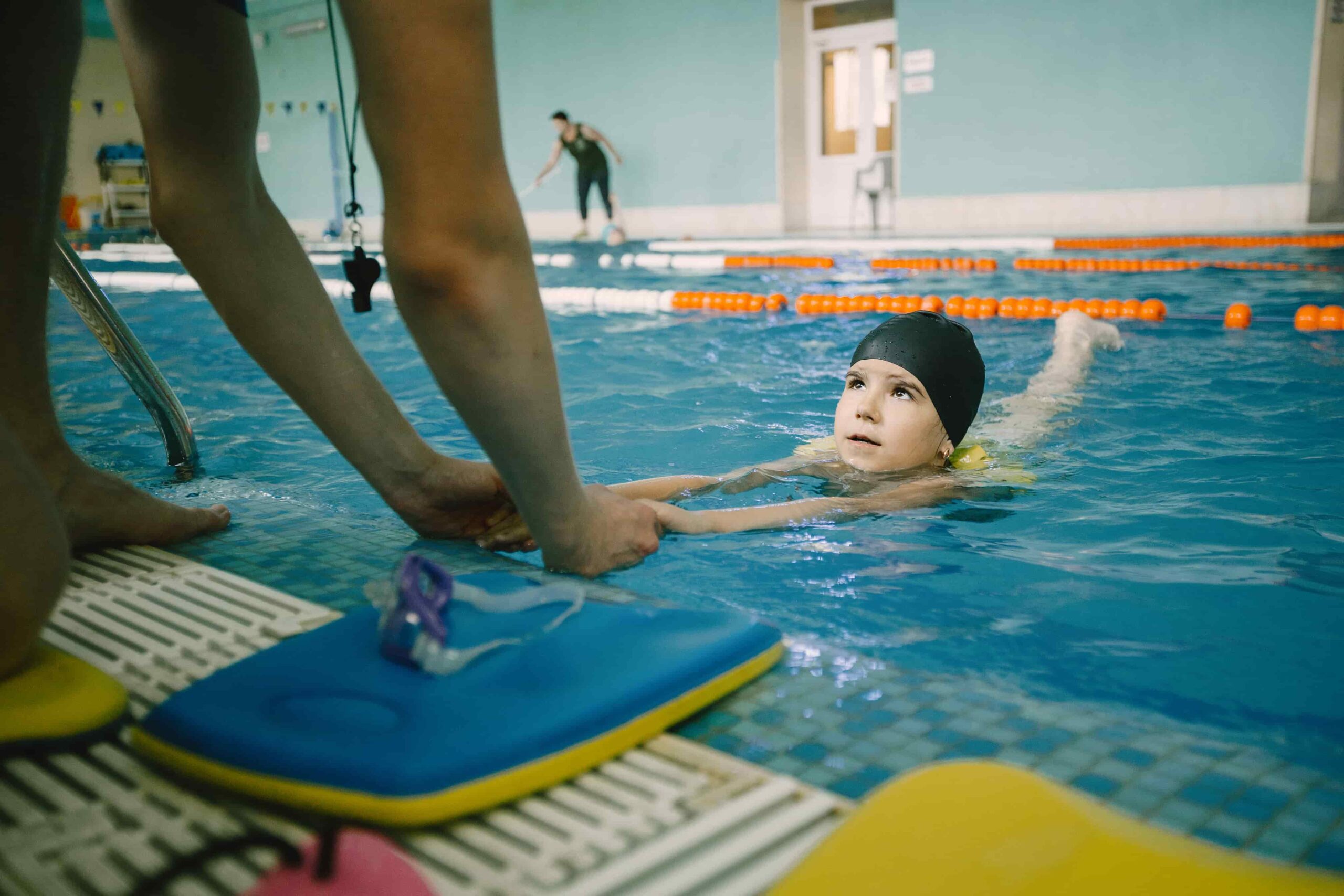
Training durations can be flexible depending on the age and physical capacity of the trainee. Since children have shorter attention spans than adults, Children’s Swimming Lessons are generally planned as intensive 45-minute sessions mixed with play. This allows little ones to acquire basic water skills without getting bored.
In contrast, 60-minute sessions are more common in adult swimming lessons. Adults can withstand water resistance for longer periods and focus more on technical corrections. If you have progressed beyond the basic level and are following a conditioning-focused program, the entire duration can be spent on active swimming.
The Effect of Styles on Duration
The difficulty level of the style being learned determines the pace of the lesson. For example, in Butterfly Swimming training, which requires coordination and strength, rest breaks may be more frequent, but the focus is on technique at the highest level. In Breaststroke Swimming lessons , which require a more rhythmic and calm pace, the duration is managed through continuity.
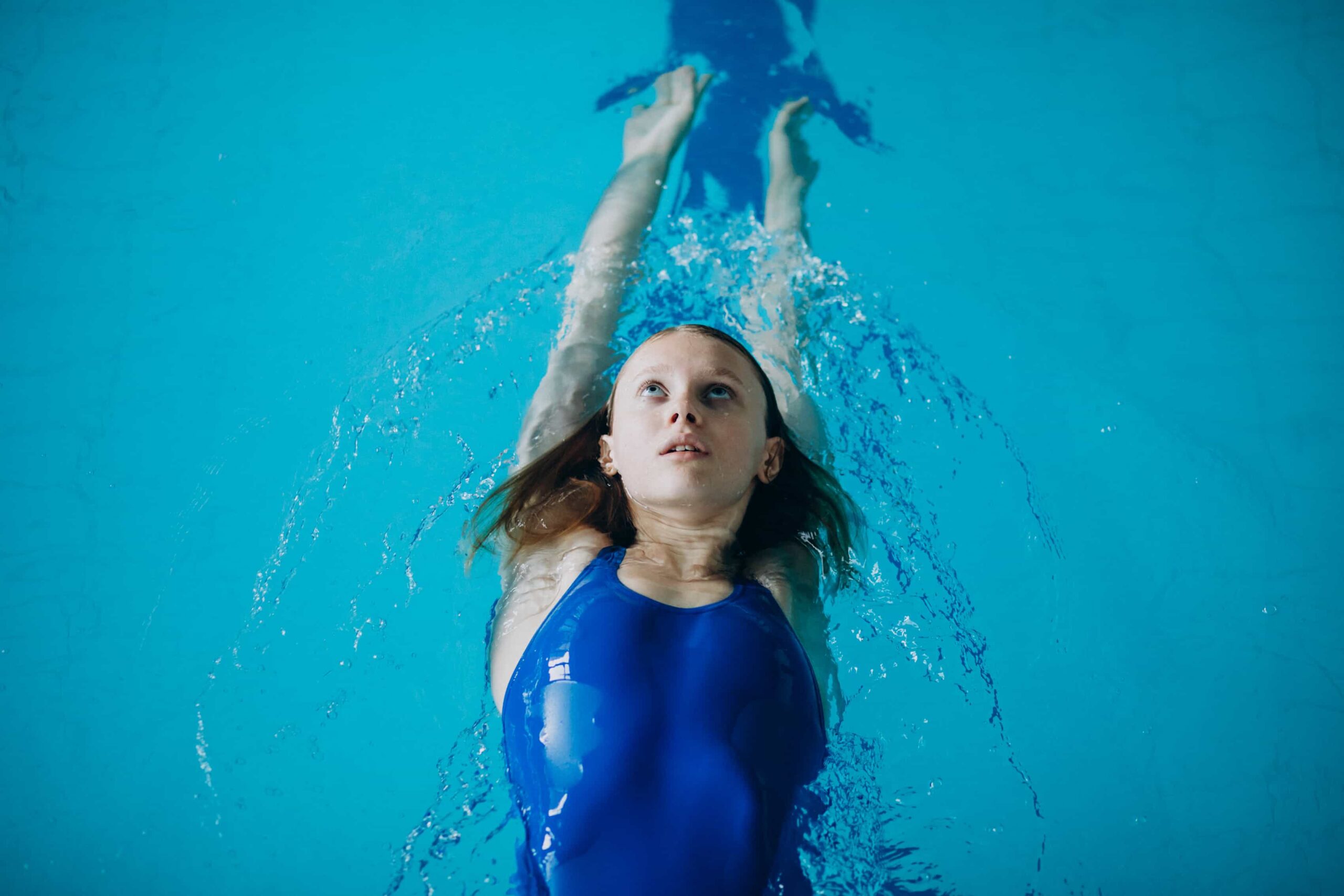
If you’re learning Backstroke for spinal health , the lessons involve long hours of work on staying afloat and maintaining correct posture. For advanced swimmers, Mixed Swimming sessions combine all these techniques, requiring every second of the 60-minute lessons to be played at a high tempo.
Why is anything longer than 60 minutes not recommended?
Water is approximately 800 times denser than air. This means that moving in water requires much more energy than on land. Beginner and intermediate level classes exceeding 60 minutes can lead to lactic acid buildup and consequently muscle soreness. For an effective learning process, ending the class at the right time will ensure you come to the next session with renewed motivation.
In conclusion, the duration of the swimming course is optimized according to your goals and your instructor’s schedule. What matters is not how many minutes you spend in the pool, but how many minutes you spend in the water using correct technique.
Frequently Asked Questions
1. How long should a swimming lesson ideally be?
According to experts, the ideal duration for both learning and physical development is 45-60 minutes.
2. Why is the lesson time shorter for children?
Children have shorter attention spans; a 45-minute lesson is best to prevent boredom and keep their interest alive.
3. How long should I stay in the water when swimming alone?
Depending on your fitness level, 30 to 45 minutes of active swimming is sufficient for overall health.
4. How much of a 60-minute lesson is spent actively swimming?
Depending on the skill level, it generally consists of 40-45 minutes of active movement and technical practice.
5. Is the warm-up time included in the lesson time?
Yes, in professional courses, a 5-10 minute warm-up is counted within the class time.
How many days a week should you swim?
To achieve progress, at least 2 or 3 sessions of 60 minutes each per week are recommended.
7. Will the lesson duration change for those who are afraid of water?
Although the duration remains the same, in the first lessons, a large portion of this time is spent by the water’s edge doing adaptation exercises.
8. Do private lessons last shorter?
No, private lessons are also usually 50-60 minutes long, but the efficiency is higher because the instructor focuses solely on you.
9. Is shower time after swimming lesson included in the lesson time?
No, the showering and dressing process after getting out of the pool is the trainee’s personal time.
10. When learning a style, should you stop the lesson if you get tired?
Instructors will help you complete the lesson by slowing down the pace or taking breaks when you get tired.
11. Can I swim for 60 minutes if my fitness level is low?
Yes, since beginner-level classes are designed at a slower pace, your fitness will improve over time.
12. How many minutes before the swimming lesson should I be there?
It is recommended that you arrive at the facility at least 15-20 minutes before your class to prepare and change.
Would you like to have a preliminary consultation to start swimming with a professional program, at the days and times that suit you best?