

Deciding to learn to swim is one of the biggest steps you can take towards a healthy life and water safety. However, the most important crossroads you face when registering is the question: “Should the swimming course be one-on-one or group?” Both training models have their own advantages, sources of motivation, and pace of progress. Determining which method is more suitable for you or your child directly affects the future of your relationship with the water and how quickly you achieve your goals.
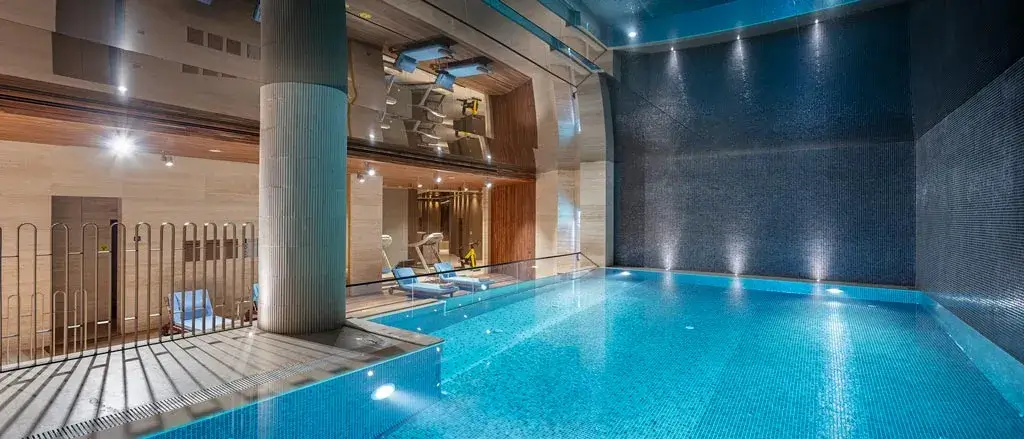
Professional swimming instruction is not just about learning techniques, but also about building confidence in the water. During this process, some individuals need the support of a social environment, while others prefer the instructor’s full attention.
Advantages of One-on-One Swimming Lessons: Speed and Focus
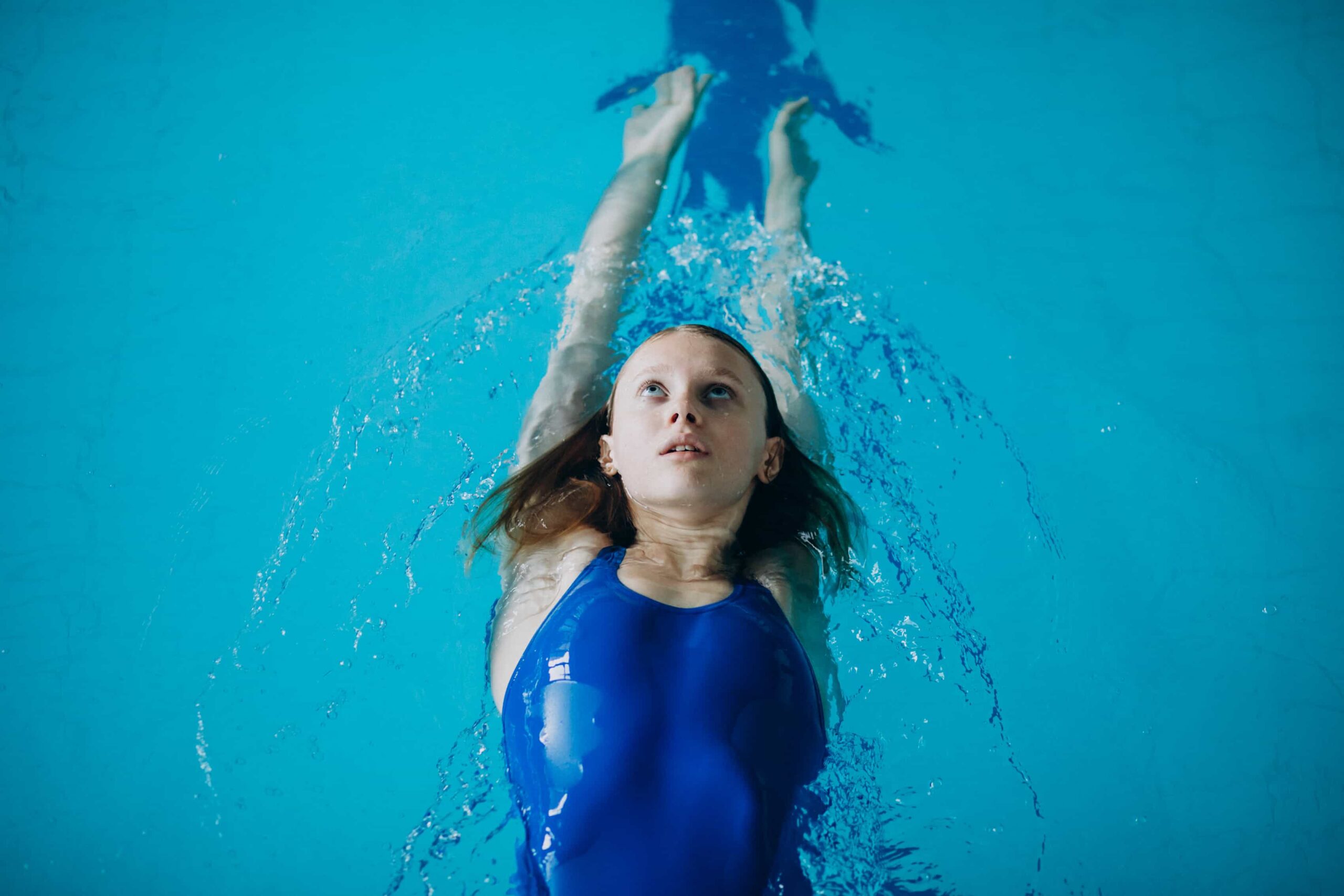
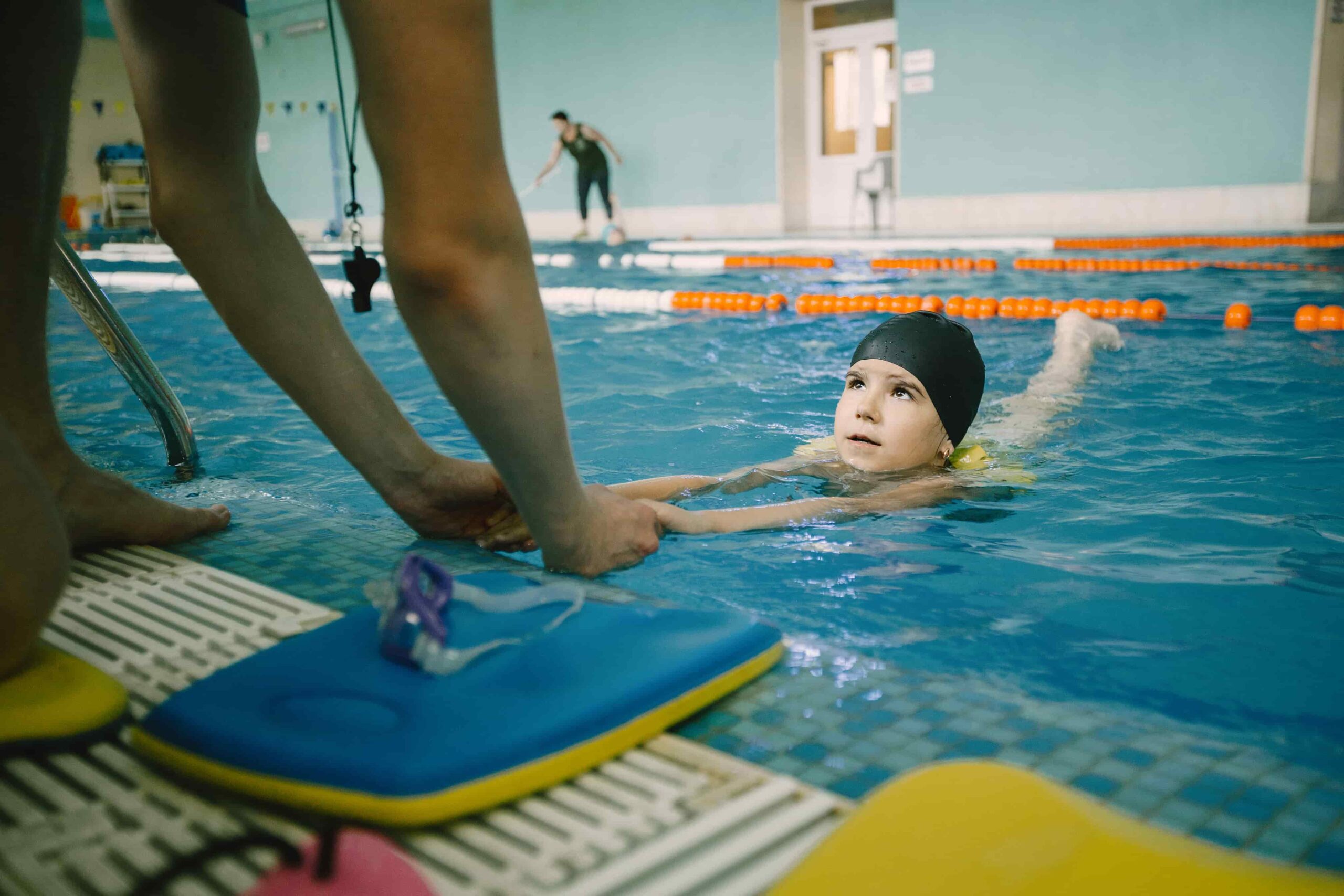
One-on-one (private) lessons are a personalized learning model where the instructor dedicates all their time and attention to a single student. This method is invaluable, especially for individuals with aquaphobia or those with limited time.
- Rapid Progress: The instructor instantly identifies and corrects your mistakes. This allows muscle memory to form much faster and more accurately. For example, in the challenging butterfly stroke technique, having an instructor by your side can cut the process in half.
- Flexible Schedule: Private lessons are tailored to your schedule. If you have a busy work schedule, you can schedule your Adult Swimming sessions at times that suit you best.
- Overcoming Personal Fears: For those who are hesitant about water, being in a group can sometimes increase anxiety. The trust built in one-on-one training makes it easier to overcome these fears.
Advantages of Group Swimming Lessons: Motivation and Socialization

Group classes offer a dynamic and fun learning environment where people of similar skill levels come together. For children in particular, group classes turn learning into a game.
- Peer Learning and Competition: Seeing that others are experiencing similar challenges reassures the trainees. Seeing one person succeed motivates another. In children’s swimming lesson groups, this healthy competition is a major factor in stimulating development.
- Discipline and Routine: Group classes at fixed days and times help you establish a routine. Being part of a social environment increases your motivation to continue the course.
- Cost Advantage: Group classes offer a more economical option compared to private lessons, making it easier to develop long-term exercise habits.
Which model should be preferred at which level?
If your goal is to master a specific technique, hybrid models can sometimes be preferable. For example, after completing the basic level in group classes, you can refine your technique by taking a few private lessons in more technical strokes like Breaststroke or speed-focused Freestyle .
Similarly, for spinal health , an individual learning Backstroke can initially learn to maintain correct form through one-on-one lessons due to the sensitivity of body position. If you are an advanced swimmer and want to train in Mixed Swimming , which includes a combination of all styles , the pace within a group will challenge you more and improve your fitness.
In conclusion, there is no single right answer to the question, “One-on-one or group?”. When making your decision, you should honestly consider your budget, time, and comfort level in the water. What matters is which style makes you feel happier and safer.
Frequently Asked Questions
1. How many lessons does it take to learn to swim with one-on-one lessons?
Because focus is high in one-on-one lessons, basic coordination and afloat skills are usually acquired within 8-10 lessons.
2. In group classes, is the instructor able to give individual attention to each student?
Professional clubs keep group sizes limited. Instructors provide feedback tailored to each student’s level, facilitating progress.
3. My child is very afraid of water; should I enroll them in a group lesson?
In cases of extreme fear, it may be healthier to start with 2-3 one-on-one lessons to overcome the fear, and then move on to group lessons.
4. Why are private tutoring fees higher?
Private lessons are more expensive because the pool lane, instructor time, and all facility amenities are optimized to suit each individual.
5. How are levels determined in group classes?
First, a placement test is conducted. Trainees are then placed into groups appropriate to their level: beginner, intermediate, and advanced.
6. Are lesson times flexible for private lessons?
Yes, you can discuss your schedule with your coach and adjust it to fit your work or school hours.
7. What happens if I miss a class in group lessons?
Since group classes follow a specific curriculum, the make-up time for missed classes may vary depending on club policy.
8. Which is more popular among adults?
Adults with limited time often prefer one-on-one lessons, while those looking to socialize and relieve stress opt for group classes.
9. Which method is the fastest for learning a style?
In one-on-one lessons, technical corrections are made instantly, so the style learning process is faster than in group lessons.
10. Is it possible to switch from one-on-one lessons to group lessons?
Absolutely. After acquiring basic skills through private lessons, you can switch to group lessons, which will both reduce costs and allow you to socialize.
11. How many people are in each group class?
For quality learning, the ideal group size is typically between 4 and 8 people.
12. Is private tutoring or group tutoring safer?
In both models, the safety standards are the same because you are under the supervision of professional instructors and lifeguards.
Would you like to schedule a meeting with our expert trainers to determine the most effective training model for you and create a program tailored to your level?