

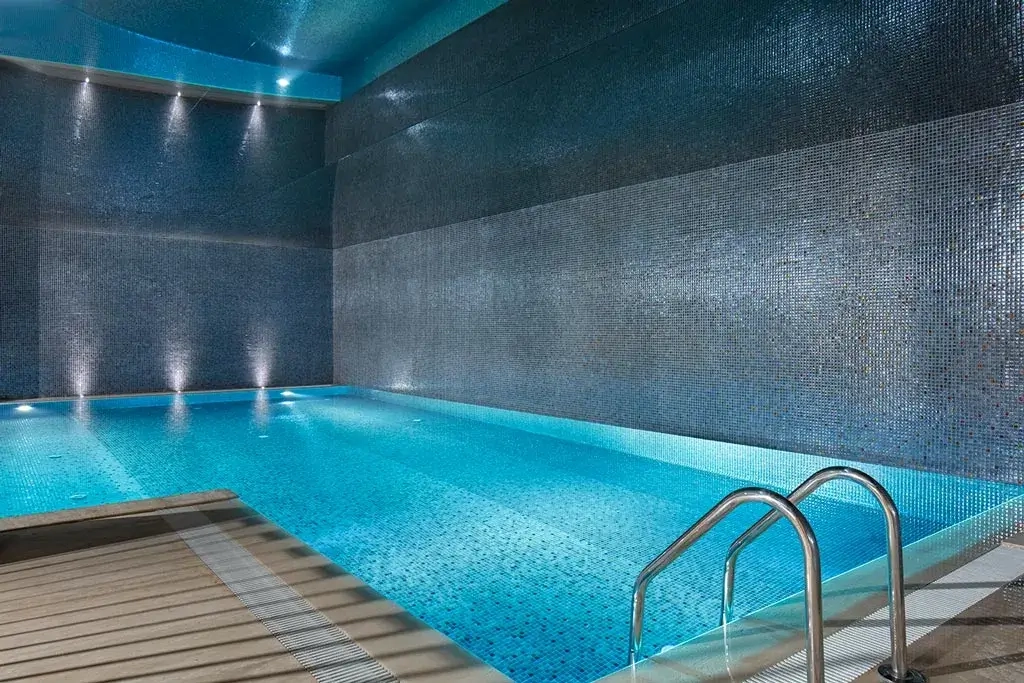
Deciding to learn to swim is one of the most valuable steps you can take for both physical health and mental relaxation. However, the first question that comes to mind, especially for adults who are not very comfortable in water or for parents who want to send their children to a course, is: Is swimming class safe? When it comes to the right instructors, a professional facility, and a program conducted with scientific methodologies, swimming classes are among the safest sports training environments in the world.
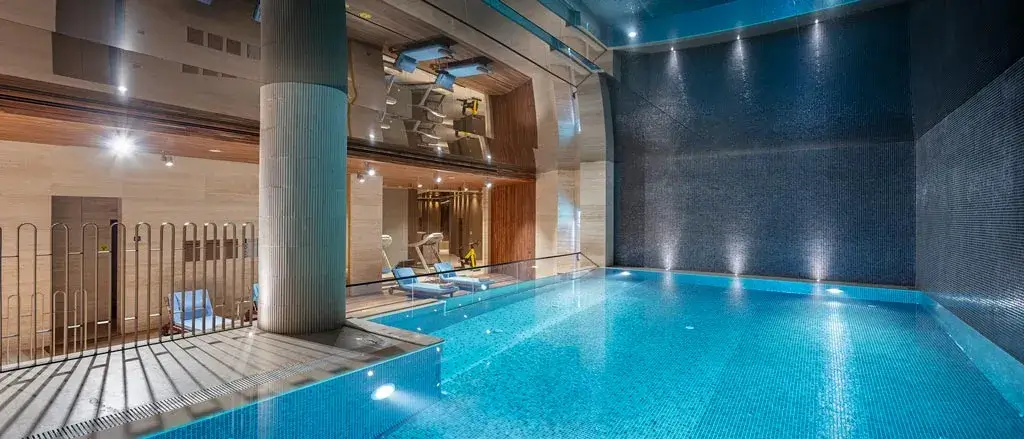
The concept of safety in swimming proceeds along two main lines: facility safety and training safety. When you receive swimming training at a professional club , every detail, from the depth of the water and hygiene conditions to the instructors’ lifeguard certifications and the quality of the equipment used, is designed for the safety of you and your loved ones.
Safe Introduction to Water for Adults
Many adults postpone learning to swim due to negative past experiences or a fear of water (aquaphobia). However, a professional Adult Swimming program is built precisely on overcoming these fears. Training begins in pools that are not deeper than the individual’s height and offer a controlled environment. Instructors teach students step-by-step how to trust the buoyancy of water and proper breathing techniques.
The most important part of safety is ensuring the student is not subjected to strain beyond their capabilities. Through gradual progress, an adult first learns to stay afloat, then basic coordination, and finally technical swimming. Working with experts throughout this process means knowing how to remain calm in moments of panic.
Maximum Protection for Children in the Pool

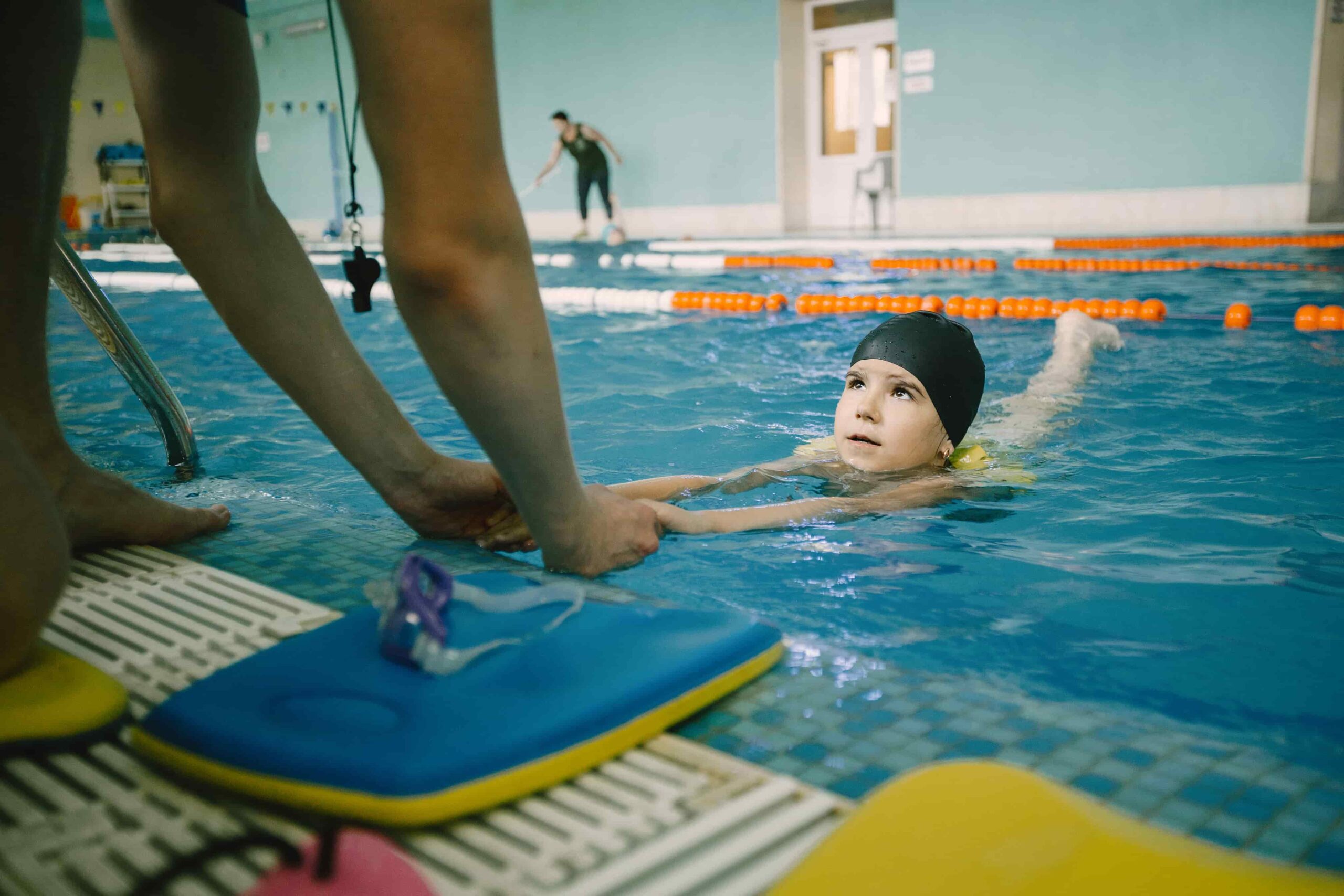
Parents’ most sensitive concern is their children’s safety. A quality children’s swimming lesson teaches children not only arm strokes but also survival skills and conscious movement in the water. The instructor-to-student ratio in children’s groups is a factor that directly affects safety. A small number of students with expert instructors ensures that every child is under supervision at all times.
The water temperature, pH levels, and cleanliness of the pools are constantly monitored, taking into account the sensitive immune systems of children. This ensures complete protection, both physically and in terms of health.
Technical Expertise Enhances Security.
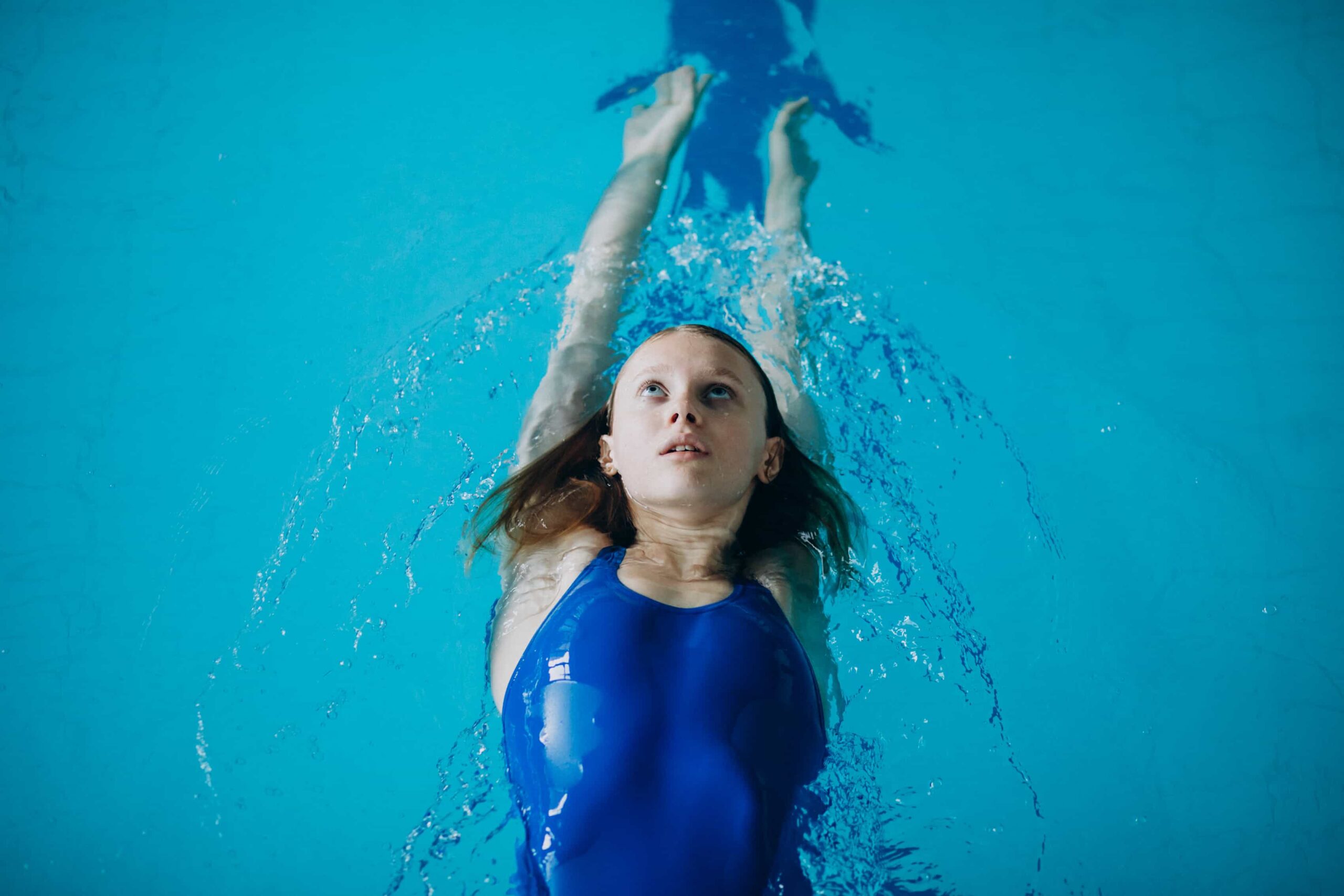
Learning to swim not just as a way to stay afloat, but as a technical discipline, minimizes the risk of injury. Swimming with incorrect techniques can put unnecessary strain on joints and muscles. For example, not properly positioning the head when learning backstroke can cause neck pain. A professional course will teach you the anatomical correctness of each style.
At more advanced levels, styles like Butterfly Swimming , which require the highest level of coordination , are taught while increasing the body’s flexibility and strength in a controlled manner. Similarly, in Breaststroke Swimming training, which requires a rhythmic sequence of movements, techniques that protect knee and hip health are prioritized. Mixed Swimming training , which combines all these styles , tests the athlete’s endurance within safe limits.
Standards and Professionalism in Education
The most important criterion determining the reliability of a course is the expertise of the instructors. A professional course analyzes every movement of the student, starting from the basics and even in the most commonly used styles like Freestyle Swimming . An incorrect arm pull or an incorrect leg kick is corrected instantly. This immediate feedback not only ensures faster learning but also prevents cramps or shortness of breath that may occur in the water.
In addition, the fact that certified lifeguards are always on hand and fully equipped with first aid equipment in professional pools is the clearest answer to the question “is swimming lessons safe?”. Compared to trying to swim individually in the sea or an unsupervised pool, the course environment offers a laboratory-level level of safety.
The Safe Path to Success
Swimming is a matter of discipline and patience. A reputable training center offers customized programs for individuals of all ages. If your goal is to master all techniques, you can improve your fitness by participating in comprehensive training programs like Individual Medley . Safety isn’t just about the physical conditions of the pool, but also about the water awareness you gain. The greatest certificate you earn upon completing a swimming course is the peaceful confidence that comes from knowing what to do in any body of water.
Frequently Asked Questions (FAQ)
1. Is knowing how to swim a requirement to start swimming lessons?
No, our beginner courses are for complete beginners and start from the basics in the shallowest parts of the water.
2. How often is the pool water cleaned?
Pool water is cleaned 24/7 using automatic dosing systems in accordance with Ministry of Health standards and is measured daily.
3. Can someone who is afraid of water attend the course?
Yes, our professional instructors use special adaptation techniques for adults who are afraid of water.
4. How is instructor supervision provided for children?
In children’s groups, instructors are in the water throughout the lesson and have one-on-one contact with each student.
5. Is learning to swim freestyle difficult?
No, it’s the easiest and most fluid style to learn when combined with proper breathing technique.
6. Are there lifeguards at the course?
Yes, certified lifeguards are on duty at all our facilities during class hours.
7. Can swimming lessons replace physical therapy?
Swimming is the most recommended sport for rehabilitation purposes, with a doctor’s approval, because it does not put strain on the joints.
8. Is backstroke swimming good for cervical disc herniation?
When done with the correct technique, it can help reduce pain by strengthening the back and neck muscles.
9. Do you need to be a professional to learn butterfly swimming?
Anyone who has progressed beyond the beginner level and achieved basic muscle strength can learn this style.
10. Why is breaststroke a slower swimming style?
In this style, the circular motion of the arms and legs increases water resistance, but it’s also a very good cardio workout.
11. What equipment is used in the lessons?
To ensure safety and facilitate learning, assistive equipment such as boards, pasta, and hand pallets are used.
12. Are swimming lessons safe in all seasons?
Yes, our indoor, heated pools offer a safe and comfortable environment even during the winter months.
Take a step today to get one step closer to that free swim of your dreams and leave your fears behind.
Regardless of your age group, would you like to meet with us so we can create a personalized starter plan for you?