

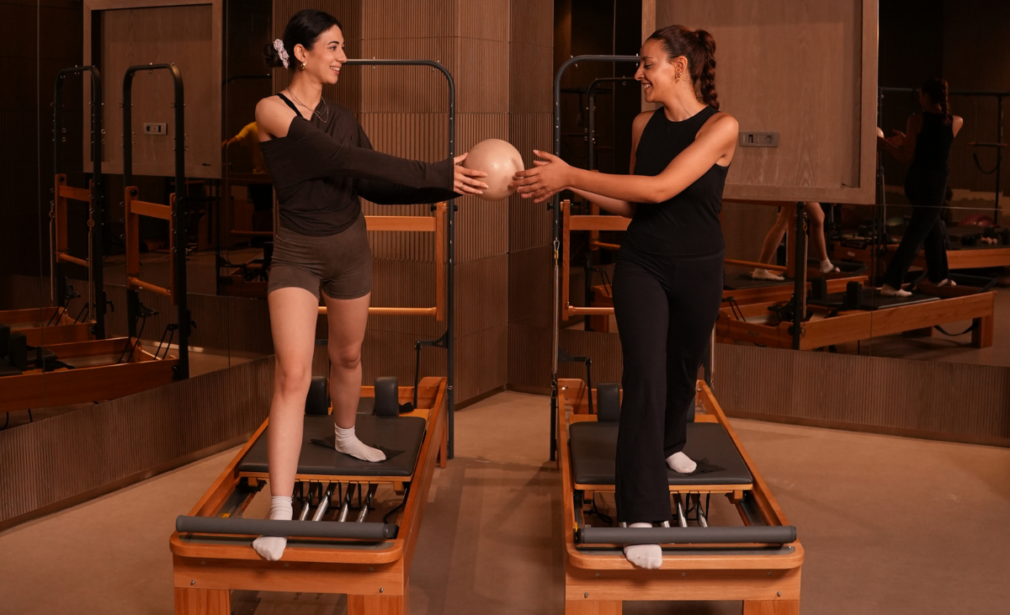
Rehabilitation-Supported Sessions
A Safe and Conscious Journey to Recovery After Injury
The pace of modern life, demanding work schedules, sedentary habits, improper exercise techniques, and sports-related injuries often cause our bodies to require professional support from time to time. Injuries affecting muscles, joints, or connective tissues are not just physical issues; they can significantly impact a person’s daily quality of life, confidence, and freedom of movement.
Recovery after an injury is a process that requires patience, the right methods, and expert guidance. This is where Rehabilitation-Supported Sessions come in. These specially designed programs aim to accelerate the healing process, rebuild strength safely, and help individuals regain their mobility in a controlled and sustainable way.
Conducted through the collaboration of expert trainers and physiotherapists, these sessions go beyond ordinary exercise routines. They offer a holistic approach that understands the needs of the body, supports the recovery process, and is fully tailored to the individual.
If you want to return to sports after an injury, manage chronic pain, or simply strengthen your body in a safer and more mindful way, rehabilitation-supported sessions can be the ideal starting point.
What Are Rehabilitation-Supported Sessions?
Rehabilitation-supported sessions are specialized training programs designed to assist recovery after injury by combining the principles of physiotherapy with exercise science. The primary goal of these sessions is not just to exercise the muscles, but to restore the body’s natural movement patterns and help individuals regain pain-free, balanced, and functional mobility.
These programs are particularly effective for:
Recovery after sports injuries
Post-surgery rehabilitation
Chronic neck and lower back pain
Postural disorders
Muscle weakness
Joint instability
Limited mobility
Muscle imbalances caused by sedentary lifestyles
One of the most important aspects of rehabilitation-supported sessions is the personalized approach. Every body is different, and therefore every recovery process is unique. Instead of applying a standard training routine, the program is carefully designed based on the individual’s specific needs and physical condition.
The Importance of Exercise in the Rehabilitation Process
After an injury, many people become hesitant to exercise. The fear of triggering pain or causing another injury is very common. However, properly designed exercise programs are actually one of the most important components of the recovery process.
Scientific research shows that controlled exercise:
Reactivates weakened muscles
Improves joint mobility
Enhances blood circulation
Reduces pain
Supports faster tissue healing
The key factor here is performing exercises correctly and safely. Improper techniques, excessive load, or uncontrolled movements can negatively affect the healing process.
This is precisely why rehabilitation-supported sessions are so valuable. Exercises are performed under professional supervision and adapted to the body’s current capabilities.
Why Choose Rehabilitation-Supported Sessions?
Rehabilitation-focused exercise programs differ significantly from conventional training routines. The priority is not performance but safe and healthy movement restoration.
These sessions offer several key advantages.
1. Personalized Training Plans
Every individual has a unique health history, physical capacity, and set of needs. When creating a rehabilitation program, several factors are taken into consideration:
Current health condition
Medical or physiotherapist recommendations
Type and severity of the injury
Daily lifestyle habits
Muscle strength and mobility level
Based on this information, a completely personalized exercise plan is developed, ensuring both safety and effectiveness.
2. Safe Exercise Approach
The goal during rehabilitation is not to push the body beyond its limits, but to strengthen it progressively and safely.
During these sessions:
Correct movement techniques are taught
Exercises are modified to minimize risk
Progression is adjusted to the body’s tolerance
Overloading is avoided
This approach significantly reduces the risk of re-injury.
3. Professional Collaboration
Rehabilitation-supported sessions are carried out through the collaboration of trainers and physiotherapists. This partnership ensures that exercises are evaluated not only from a fitness perspective but also from a medical and rehabilitative standpoint.
This multidisciplinary approach provides:
More accurate exercise selection
Safer movement analysis
Faster recovery progression
More conscious and effective training methods
4. Gradual and Conscious Progression
One of the most important elements of rehabilitation is patience. The body needs time to heal, and trying to accelerate the process too quickly can sometimes lead to setbacks.
For this reason, rehabilitation-supported sessions follow a structured progression:
Movement awareness
Basic muscle activation
Stabilization exercises
Strength development
Functional movement training
This gradual system helps the body rebuild strength safely while creating a stronger foundation for long-term health.
Benefits of Rehabilitation-Supported Sessions
When practiced regularly, rehabilitation-focused exercise programs create significant positive changes within the body.
Improved Mobility
After an injury, many individuals experience difficulty moving due to joint stiffness, muscle weakness, or pain.
With targeted exercises:
Joint range of motion improves
Muscles become active again
Daily movements become easier
This allows individuals to regain independence and comfort in their daily activities.
Increased Muscle Strength and Endurance
Muscle weakness is common after injuries and can increase the risk of further problems.
Through rehabilitation-supported training:
Weak muscles regain strength
Muscular balance is restored
The body becomes more resilient
Greater Flexibility
Flexibility plays a crucial role in overall movement quality. Reduced flexibility can place additional strain on the body during everyday activities.
Through mobility and stretching exercises included in the program:
Muscles become more flexible
Movements feel smoother and easier
The risk of injury decreases
Better Posture
Modern lifestyles often involve long hours of sitting, frequent phone use, and poor ergonomic habits, all of which contribute to postural problems.
Rehabilitation exercises help to:
Realign the spine
Strengthen postural muscles
Promote healthier body alignment
Reduced Pain and Muscle Tension
Back, neck, and shoulder pain have become increasingly common today. Many of these issues are caused by muscular imbalances and tension.
Targeted exercises can:
Release muscle tension
Improve circulation
Reduce overall pain levels
Who Can Benefit from Rehabilitation-Supported Sessions?
Rehabilitation-supported exercise programs are suitable for a wide range of individuals.
They are especially beneficial for:
People recovering from sports injuries
Individuals in post-surgical recovery
Those suffering from chronic neck or back pain
Office workers with sedentary routines
Individuals with postural problems
People experiencing muscle weakness
Individuals returning to exercise after long periods of inactivity
These programs can also serve as a strong foundation for athletes who want to improve movement quality and reduce injury risk.
The Role of Pilates in Rehabilitation
One of the most commonly used training methods in rehabilitation-supported sessions is Pilates.
Pilates is highly effective in:
Strengthening core muscles
Improving spinal stability
Correcting posture
Developing controlled movement patterns
Because Pilates focuses on slow, controlled, and mindful movements, it is considered one of the safest and most effective exercise methods during recovery.
The Right Approach to Recovery
A successful rehabilitation journey depends heavily on adopting the right mindset and approach.
Important principles include:
Being patient
Practicing exercises consistently
Following professional guidance
Avoiding excessive strain
Listening to the body’s signals
When these principles are respected, rehabilitation programs tend to produce much more effective and lasting results.
Returning to Sports Safely
One of the primary goals after an injury is returning to sports safely. However, this process should never be rushed.
Rehabilitation-supported sessions help individuals:
Rebuild strength
Improve movement control
Reduce the risk of future injuries
This allows athletes and active individuals to return to their sport with greater confidence and a stronger physical foundation.
Start Your Recovery Journey
Our bodies are one of the most valuable assets we have. Taking care of them, strengthening them, and providing the support they need is essential for long-term health and well-being.
If you are recovering from an injury, dealing with chronic pain, or simply looking for a safer and more intelligent way to strengthen your body, rehabilitation-supported sessions can provide the guidance and structure you need.
With expert supervision, scientifically designed exercises, and personalized programs, you can rebuild strength, regain your freedom of movement, and restore confidence in your body.
Remember, recovery is a journey. When approached with the right methods and professional support, the body has an incredible ability to heal and adapt.
Take the first step today and rediscover the power of healthy movement.
Invest in your body and reclaim your freedom to move.