

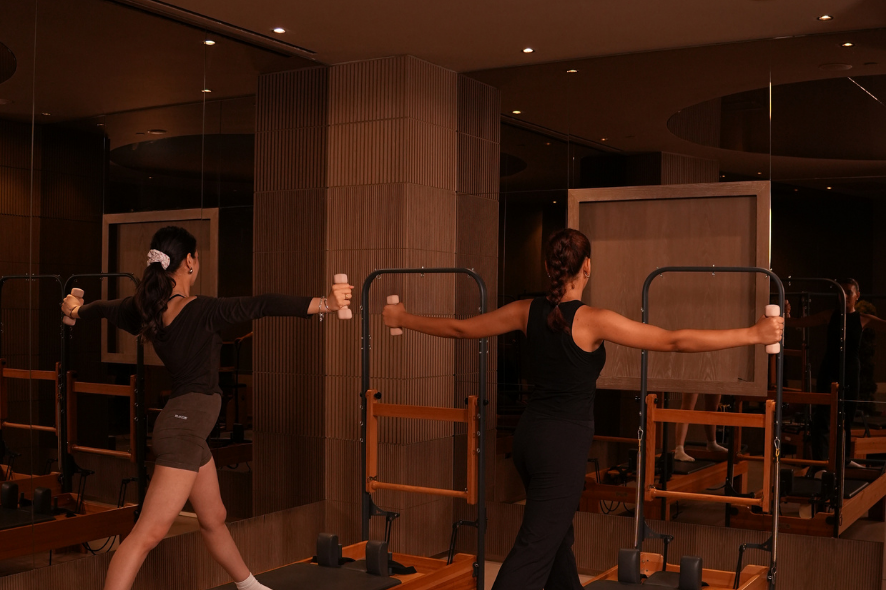
The world of sports is currently shaken by many trends, but some disciplines owe their popularity not only to their aesthetic appeal but also to the tangible health benefits they offer. This methodology, founded by Joseph Pilates, is particularly on the radar of modern medicine and physiotherapy, especially in its equipment-based version. So, are there scientifically proven benefits to reformer pilates? The answer is quite clear in academic literature and clinical studies: Yes, and far more than you might expect.
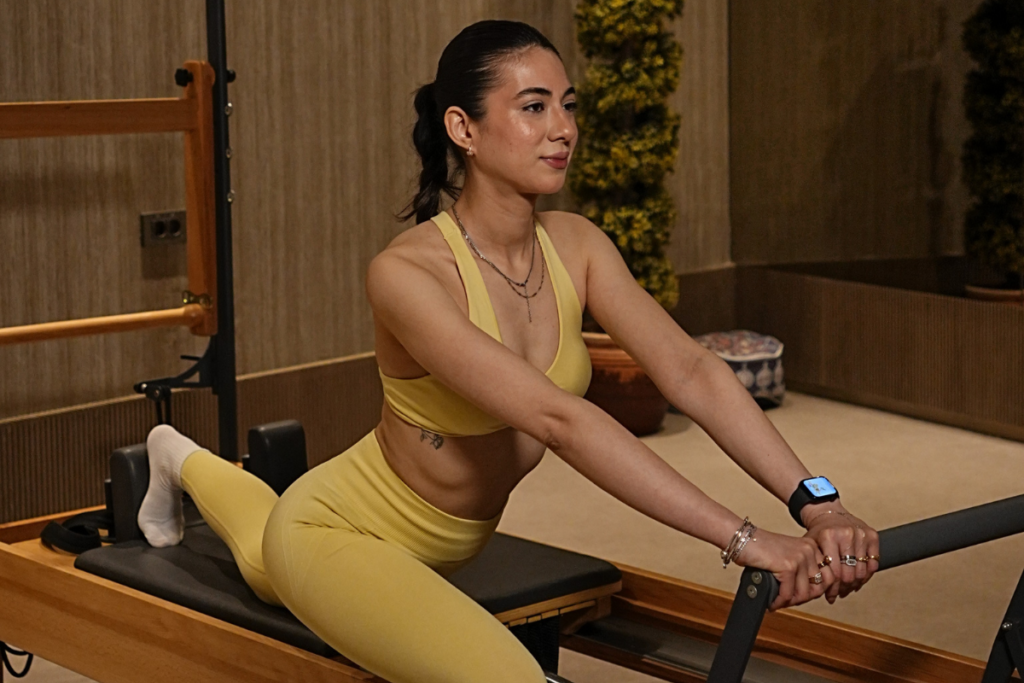
The Reformer machine, thanks to its resistance springs and pulley system, applies a controlled load to the body, allowing for both strengthening and stretching simultaneously. This scientific balance is the most fundamental feature that distinguishes Pilates from other types of exercise.
Evidence on Core Strength and Spinal Health
Scientific research has repeatedly proven that Pilates is one of the most effective methods for activating core muscles. Its effect, particularly on the transversus abdominis (deep abdominal muscle) , is promising for patients suffering from chronic lower back pain. The resistance movements performed during Reformer Pilates sessions strengthen the muscles supporting the spine, reducing the risk of herniated discs and degeneration.
At this point, Clinical (Rehabilitation) Pilates comes into play for individuals who need a medical basis . Clinical studies show that this method accelerates the recovery process after physical therapy by up to 30% and reduces the risk of relapse. Science supports the idea that Pilates is not just about “toning,” but is actually a form of functional treatment.
Posture and Muscle Balance: A Scientific Perspective
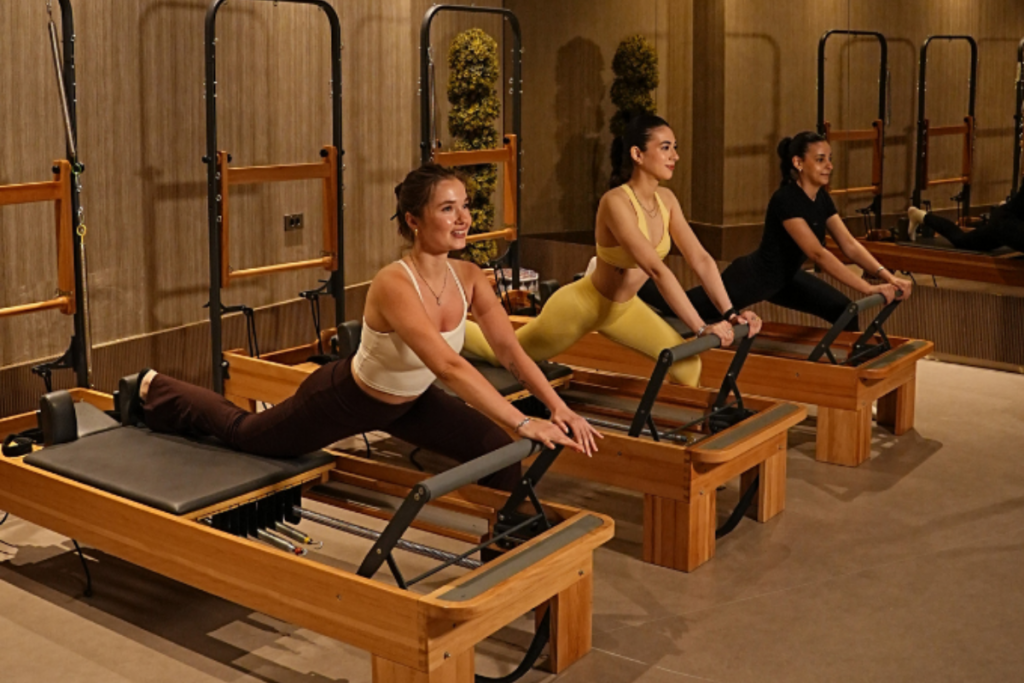
Postural problems, a major issue for modern humans, are scientifically based on muscle imbalances. Some muscles shorten excessively (like chest muscles), while others weaken and lengthen (like back muscles). Posture Correction Sessions focus precisely on this mechanism. Postural analyses have proven that regular reformer use corrects shoulder alignment and restores the natural curves (S-curve) of the spine.
The eccentric (lengthening) contraction of muscles is the greatest scientific advantage of reformer exercises. This allows muscles to strengthen in a lean and elongated form without becoming bulky. While Mat Pilates on a mat offers similar benefits, the spring resistance on the reformer makes this process much more measurable and controlled.
Mental Health and Neurological Effects
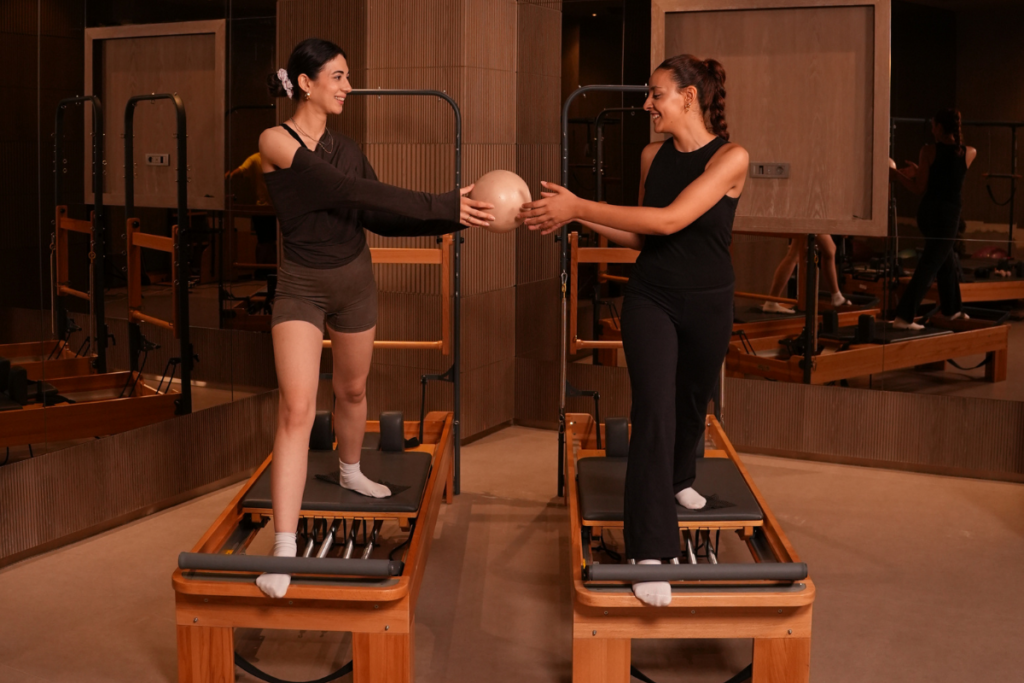
The benefits of Pilates are not limited to muscles alone. The breathing techniques used during exercise activate the parasympathetic nervous system, lowering cortisol (stress hormone) levels. Scientific articles have shown that the focused movements of Pilates support neuroplasticity in the brain.
For those seeking more personal development, Individual Reformer Pilates sessions, through one-on-one focus with the instructor, allow this mental discipline to reach its highest level. The principles of focus and control also scientifically prove effective in improving the ability to cope with daily stress.
Advanced Functional Studies
If you want to push your body’s limits with a scientific approach, more complex equipment like the Wunda Chair Pilates improves balance and proprioception (body position awareness). This creates a barrier to prevent injuries, especially in athletes.
The impact of social interaction on exercise motivation is also a proven fact. Group Reformer Pilates sessions increase commitment to exercise through the endorphin boost created by group dynamics. Scientifically, “socially supported exercises” have been found to be more sustainable for longer periods compared to individual workouts.
In conclusion, reformer pilates is an evidence-based system with a strong biomechanical and physiological foundation. This investment in your body will guarantee not only your current appearance but also your mobility in old age.
Frequently Asked Questions
1. Has reformer pilates been proven to be beneficial for herniated discs? Yes, clinical studies show that exercises that strengthen the core reduce pressure on the spine and are effective in pain management.
2. Scientifically, how many days a week should you do Pilates? Experts recommend at least 2 or 3 days a week for neuromuscular adaptation and muscle development.
3. Is Pilates effective against osteoporosis? Resistance exercises increase bone density. Reformer Pilates supports bone health with safe resistance levels.
4. Does it prevent balance problems in the elderly? Yes, it has been scientifically proven to reduce the risk of falls in the elderly because it improves proprioception.
5. How long does it take to increase flexibility with Pilates? While it varies from person to person, a significant increase in joint range of motion is observed after 10-12 regular sessions.
6. Which is faster to lose weight: reformer pilates or mat pilates? Reformer pilates works more muscle groups simultaneously due to the resistance factor and triggers basal metabolism faster.
7. Is the benefit of Pilates during pregnancy scientifically proven? Yes, it is known to strengthen the pelvic floor muscles, thus facilitating childbirth and speeding up postpartum recovery.
8. Is the reformer safe for scoliosis patients? Asymmetric exercises performed under the guidance of expert instructors are listed in the literature as a supportive method in the management of spinal curvature.
9. How does Pilates improve mental focus? The synchronization of movement and breath strengthens the connection between the motor cortex and the prefrontal cortex in the brain.
10. Is it possible to experience muscle soreness (DOMS) after Pilates sessions? Because the muscles work eccentrically, it’s normal to experience mild and healthy muscle soreness, especially after the first few sessions.
11. Does Pilates carry a lower risk of injury compared to other sports? Yes, because it falls into the “low-impact” category, it doesn’t put sudden stress on the joints, and the risk of injury is minimal.
12. Does it increase respiratory capacity? Pilates breathing techniques improve lung capacity and oxygen utilization by maximizing diaphragm use.
13. Does it have an effect on heart health? By creating a low-intensity cardiovascular effect, it regulates blood circulation and supports heart health.
14. Does Pilates make you taller? Scientifically, it doesn’t lengthen bones, but it improves posture by providing spinal decompression, making you appear taller.
15. Who cannot do Pilates? It is suitable for individuals of all ages, except those with acute injuries or those whose doctors have placed exercise restrictions on them.